Wound Care Supplies for Infection Control and Rapid Recovery
This article highlights the vital role of wound care supplies in preventing infections and promoting faster healing.
 livingstoneinternational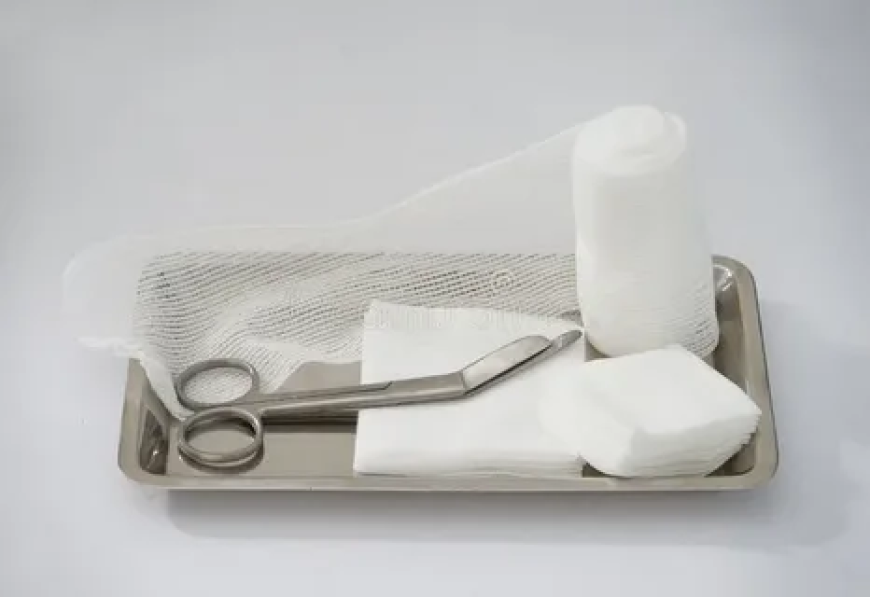
When it comes to healing injuries—whether minor cuts or post-surgical wounds—having the right wound care supplies is essential. Wound care is not just about covering an injury; it’s about protecting it from infection, promoting tissue repair, and speeding up recovery. With advanced medical-grade wound care solutions now available, proper treatment can make a huge difference in how fast and effectively the body heals.
The Importance of Proper Wound Care
Every wound, big or small, is an open door for bacteria and infection. Without proper care, even a simple cut can lead to complications like inflammation, delayed healing, or in severe cases, systemic infections. Using sterile and high-quality wound care supplies ensures that the wound remains clean and protected during the recovery process.
Modern wound care has evolved from basic bandages to highly specialised materials that enhance healing. These supplies help maintain the right moisture balance, provide oxygen to the wound bed, and prevent harmful bacteria from multiplying—all while ensuring patient comfort.
Essential Wound Care Supplies for Every Situation
Effective wound care starts with the right tools. Here are some essential wound care supplies commonly used in both medical and home care environments:
1. Sterile Dressings and Bandages
Dressings are the first line of defence against infection. They protect the wound from dirt, bacteria, and further trauma. Sterile gauze pads, adhesive dressings, and hydrocolloid bandages create an optimal healing environment while absorbing excess fluids.
2. Antiseptic Solutions and Cleansing Agents
Before applying any dressing, cleansing the wound is crucial. Antiseptic solutions such as iodine, saline, or chlorhexidine help remove debris and reduce the risk of infection. They prepare the wound bed for dressing, allowing for better adherence and healing.
3. Medical Tapes and Fixation Products
To keep dressings in place, medical tapes and adhesive strips are used. These must be gentle on the skin yet strong enough to secure the dressing. Hypoallergenic options are ideal for sensitive or healing skin.
4. Absorbent Pads and Wound Packing
For deep or heavily exuding wounds, absorbent pads or packing strips are used to soak up discharge while maintaining a moist healing environment. This reduces the risk of bacterial growth and supports tissue regeneration.
5. Gloves and Sterile Instruments
To avoid contamination, sterile gloves and instruments like tweezers or scissors are essential. They ensure that each step of the wound care process is performed under hygienic conditions.
6. Hydrogel and Foam Dressings
Modern wound dressings like hydrogels and foams provide superior moisture control. They are particularly beneficial for burns, ulcers, or chronic wounds, helping to reduce pain and accelerate the healing process.
Infection Control: The Cornerstone of Healing
Infection control is the foundation of effective wound management. Infections delay recovery, damage healthy tissues, and may lead to serious complications. Therefore, infection prevention through clean practices and quality supplies is critical.
Here are some key principles for infection control in wound care:
-
Sterilization: Always use sterile materials and instruments.
-
Hand Hygiene: Wash and sanitize hands before and after dressing a wound.
-
Proper Disposal: Safely dispose of used dressings and medical waste.
-
Monitoring: Keep an eye out for signs of infection—redness, swelling, warmth, or unusual discharge.
Healthcare professionals rely on dependable wound care supplies to uphold these principles. Using clinically tested and medical-grade products helps ensure that infection risks are minimized at every step.
Rapid Recovery Through Advanced Wound Care
Modern wound care focuses not only on infection prevention but also on accelerating recovery. Advanced wound care technologies are designed to create an ideal healing environment—moist, oxygenated, and protected.
Key strategies for faster recovery include:
-
Moisture Management: Maintaining a moist wound environment encourages faster tissue repair and reduces scarring.
-
Nutrient Supply: Some dressings release healing agents like silver ions or hydrocolloids that promote regeneration.
-
Pain Reduction: Specialised wound care materials reduce friction, pain, and discomfort during dressing changes.
-
Improved Circulation: Compression and foam dressings enhance blood flow, which speeds up healing.
Patients who use high-quality wound care supplies often experience reduced recovery time and improved comfort. This makes a significant difference, especially for chronic wounds or surgical incisions.
Wound Care for Hospitals, Clinics, and Home Use
Wound care supplies are not just for hospitals—home users also benefit from having the right products on hand.
-
Hospitals and Clinics: Depend on bulk supplies of sterile dressings, disinfectants, and gloves to treat a wide range of injuries and surgical wounds.
-
Care Homes: Require gentle, effective products suitable for elderly or sensitive skin.
-
Home Users: Benefit from compact wound care kits that provide first aid essentials for quick and safe treatment.
No matter the setting, quality and hygiene remain top priorities. That’s why healthcare providers and individuals alike look for trusted brands that deliver reliable and consistent results.
Choosing the Right Wound Care Supplier
When choosing wound care supplies, quality and consistency are key. Look for products that are:
-
Sterile and Medical Grade – to ensure patient safety.
-
Tested for Skin Compatibility – especially for sensitive skin.
-
Durable and Absorbent – for long-lasting protection.
-
Regulatory Compliance – meeting medical safety standards.
A reliable supplier should offer a comprehensive range of products that cater to both professional and personal wound care needs. The goal is not just to treat wounds but to enhance healing outcomes through quality and innovation.
Sustainable and Safe Medical Solutions
With the growing emphasis on sustainability, modern wound care solutions are evolving to reduce environmental impact. Biodegradable dressings, recyclable packaging, and latex-free materials are becoming increasingly popular.
This ensures that patient care remains both effective and environmentally responsible—a win for both health and the planet.
Conclusion:
When it comes to infection control and rapid recovery, Livingstone International stands as a trusted name in the field of medical and healthcare supplies. Their extensive range of wound care supplies—from sterile dressings to antiseptics—helps healthcare professionals and individuals deliver the best in patient care. With decades of experience, Livingstone International is committed to providing safe, high-quality, and reliable wound care products that make healing cleaner, faster, and more comfortable. Whether you’re a hospital, clinic, or home user, Livingstone ensures that every wound is treated with the care it deserves.