Why Mold Grows on Basement Drywall and What You Should Do
Find out why mold grows on basement drywall, what warning signs to watch for, and what steps actually work to remove it and stop it from returning.
 napollo11
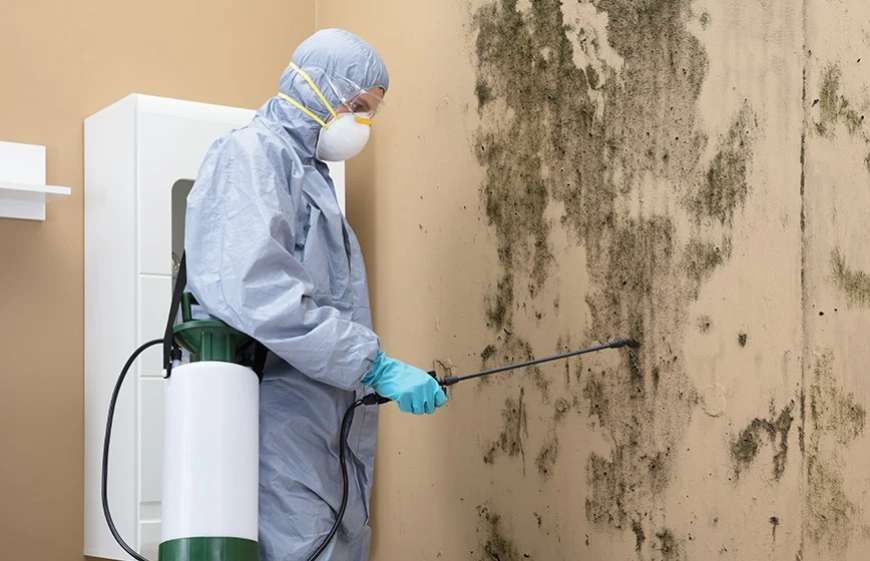
Basement drywall is one of the most common locations where mold establishes itself in a home, yet it is also one of the most misunderstood. Many homeowners discover growth on their basement walls and assume it appeared suddenly, when in reality the conditions that allowed it to develop have existed for months. Understanding exactly why mold basement drywall problems occur and what practical steps address them properly is the foundation for protecting both your property and your household from the consequences of unchecked fungal growth.
This guide explains the science behind why drywall in basements is so vulnerable, what conditions trigger visible growth, how to recognize the problem at different stages, and what a proper response looks like from initial discovery through to long term prevention.
The Relationship Between Basements and Moisture
Before getting into drywall specifically, it is important to understand why basements are persistently challenging environments when it comes to moisture control. Every basement sits below or partially below ground level, which means it is surrounded by soil on multiple sides. Soil retains water from rainfall and groundwater tables, and that water exerts constant pressure against foundation walls and floors.
Concrete and masonry are not completely waterproof materials. They are porous enough to allow moisture to migrate through them via capillary action, meaning water is drawn through the tiny pores in the material even without a visible crack or gap. The result is that basement walls and floors in most homes have some degree of ongoing moisture transfer occurring through the structure itself, regardless of whether there is a visible leak.
Temperature dynamics add another layer of complexity. During warm months basement air tends to be cooler than the air in the rest of the home. When warm humid air enters the basement through doorways, stairwells, windows, or gaps in the building envelope, it cools rapidly upon contact with colder surfaces and deposits its moisture through condensation. This process can wet basement walls and flooring repeatedly throughout the course of a single day without any external water intrusion event occurring at all.
These two factors combined, structural moisture migration and condensation driven by temperature differentials, create an environment where baseline moisture levels are consistently elevated compared to upper floors. Drywall placed in this environment is operating under conditions it was not designed to handle indefinitely.
Why Standard Drywall Is Poorly Suited to Basement Environments
Standard drywall consists of a gypsum plaster core wrapped on both sides with paper facing. This construction makes it an extremely practical and economical building material for interior walls in conditioned living spaces, but that same construction creates significant vulnerability in a basement setting.
The paper facing is the critical weak point. Paper is an organic cellulose material and mold feeds on organic materials as its primary nutrient source. When paper facing becomes damp and remains damp for any extended period, it provides mold spores with everything they need to germinate and colonize the surface. The gypsum core beneath the paper is also porous enough to absorb and retain moisture, extending the duration of the wet conditions that support mold growth long after the original moisture source has been addressed.
When drywall is installed directly against or in close proximity to a concrete basement wall, it is positioned in the zone where moisture migrating through the concrete reaches the interior surface. Even with insulation between the concrete and the drywall, any gaps or compressions in the insulation create cold spots where condensation forms. Moisture accumulates in these locations and is absorbed by the drywall facing and core.
This is not a reflection of poor construction in most cases. It is simply a mismatch between a material designed for dry conditioned interiors and an environment that is fundamentally different in character. Recognizing this mismatch is the first step toward making decisions that create lasting protection.
Primary Causes of Water Damage Drywall Mold in Basements
Water damage drywall mold in basements develops from a range of moisture sources. Some are dramatic and immediately obvious while others are subtle and accumulate damage slowly over an extended period. Understanding which category applies to your situation shapes the entire response.
Groundwater seepage through foundation walls is the most fundamental cause in many homes. Even hairline cracks in a poured concrete foundation, the mortar joints between concrete blocks, or simply the porous concrete surface itself can allow groundwater to seep through and wet the interior side of the wall. Drywall installed against this surface absorbs the seeping moisture continuously and provides an ideal medium for mold growth.
Plumbing failures inside finished basement walls are among the most damaging moisture sources because they are completely hidden from view. A supply line with a slow drip, a drain connection that weeps slightly under load, or a condensate line from an HVAC unit that has become partially blocked can all introduce concentrated moisture into the wall cavity over weeks or months before any external sign appears. By the time discoloration or odor appears on the surface, the interior of the wall cavity has typically been extensively colonized.
Sump pump failure during heavy rain events results in rapid flooding that saturates the lower portions of all basement drywall simultaneously. Even when the visible water is removed promptly, the drywall has already absorbed a significant amount of moisture at its base and within the wall cavity. Because the material at the base of the wall dries far more slowly than exposed surfaces, mold can establish in these locations even when the homeowner believes the cleanup was thorough.
Bathroom or laundry facilities in the basement introduce moisture to the air through steam, humidity from drying laundry, and any drips or splashes from fixtures. If exhaust ventilation is inadequate or nonexistent the moisture produced by these activities accumulates in the basement air and condenses on cool wall surfaces repeatedly over time.
Blocked or inadequate drainage around the foundation exterior allows rainwater to collect against the foundation wall rather than being directed away from the structure. Gutters that overflow or downspouts that discharge too close to the foundation wall funnel water directly into the zone where it exerts the most pressure against the basement structure.
How to Recognize Mold in Basement Drywall at Different Stages
Mold in basement drywall progresses through recognizable stages. Being able to identify the problem at an earlier stage means less remediation work, lower costs, and less disruption to your living space.
Early stage indicators do not involve visible mold growth at all. The first signs are environmental and sensory. A musty earthy odor in the basement that persists after airing out the space indicates that mold is actively metabolizing organic material and releasing volatile compounds into the air. Slight dampness to the touch on certain sections of drywall, particularly along the lower sections near the floor or in corners, indicates moisture accumulation that has not yet produced visible growth.
Intermediate stage indicators involve physical changes to the drywall surface. Paint begins to bubble, blister, or peel away from the wall in areas where moisture has become trapped beneath it. Staining appears in yellowish, brownish, or grayish irregular patterns that do not wipe away with a damp cloth. These stains represent mineral deposits and organic degradation products left by water that has moved through the material and begun to alter its composition.
Active mold growth indicators are visible and definitive. Dark patches with a powdery, fuzzy, or slightly wet texture appear on the drywall surface. Colors range from dark green and black to gray or white depending on the mold species present. The musty odor intensifies significantly at this stage. Pressing gently on the surface near visible growth may reveal soft or spongy areas where the gypsum core has deteriorated from prolonged moisture exposure.
Advanced damage indicators involve structural changes to the wall itself. Drywall that crumbles when pressed, shows significant sagging or warping, or has sections that have separated from the framing behind it has been damaged to the point where the material cannot be salvaged. Framing lumber visible through damaged sections may itself show dark staining or fuzzy growth indicating that the mold has spread beyond the drywall into the structural components of the wall.
Our guide on how to remove mold from drywall covers the specific steps involved in addressing surface-level growth on drywall in situations where the damage has not yet penetrated deeply into the material.
What a Home Mold Inspection Reveals in a Basement Setting
A home mold inspection is the diagnostic step that determines the true extent of a suspected basement mold problem before any decisions are made about treatment. This is particularly critical in basements because the most significant mold growth is almost always in locations that are not directly visible.
Certified inspectors bring tools to a home mold inspection that reveal what cannot be seen through visual assessment alone. Moisture meters probe the water content of drywall panels at and below the surface level, identifying sections that are saturated even when they appear dry from the front. Readings significantly above ambient levels in specific locations pinpoint where moisture is entering or accumulating within the wall.
Thermal imaging cameras map temperature variations across wall surfaces. Wet materials hold temperature differently than dry materials, and this difference shows clearly in thermal imaging as cool zones within a wall that correspond to moisture-laden sections. This technology allows an inspector to identify hidden wet areas within a wall cavity without cutting into the drywall or requiring any physical access to the space.
Air sampling collected during a home mold inspection captures particles from the basement air and sends them to a laboratory for analysis. The results quantify the concentration of mold spores present and identify the species represented. Comparing indoor concentrations to outdoor baseline levels collected at the same time reveals whether mold is actively growing somewhere in the basement even when no visible source has been located.
This comprehensive picture of what is happening inside the walls and in the air of the space is what makes a professional inspection so valuable before any remediation work begins. Attempting to remediate without this information leads to incomplete treatment where hidden colonies continue to grow after the visible surface mold has been addressed.
For more detail on what triggers the need for a professional assessment our guide on the top five signs you need a professional mold inspection walks through the specific indicators that mean an inspection should be your next step.
The Importance of Mold Testing Before and After Remediation
Mold testing serves distinct and important purposes at two points in the remediation process. Before remediation begins, testing provides objective data about what species are present and where concentrations are highest. After remediation is complete, testing confirms that the work was successful and that the space is safe for normal use.
Pre-remediation testing is particularly valuable in basements where the source of the mold has not been visually confirmed. Air sampling can identify elevated spore concentrations in specific areas of the basement and help direct the inspection and remediation focus toward the zone of highest activity. Surface sampling from discolored or suspect areas provides species identification that informs the remediation protocol.
Post-remediation mold testing is the step that many homeowners are tempted to skip when the remediation work looks visually complete. Skipping this step means accepting the remediation team's assessment on faith rather than having objective confirmation from laboratory analysis. Post-remediation samples compared to pre-remediation baselines and outdoor control samples provide concrete evidence that spore levels have returned to acceptable concentrations.
Species identification through testing is relevant when there is a suspicion that Stachybotrys chartarum is involved. This species, commonly referred to as black mold, produces mycotoxins that carry particular health risks and requires a remediation protocol that accounts for those risks specifically. Visual identification of mold species is not reliable and laboratory analysis through mold testing is the only way to confirm what you are dealing with. Our guide on how to test for toxic black mold covers both professional and home testing approaches and the circumstances where each is appropriate.
What Mold Remediation Basement Work Actually Requires
Mold remediation basement work follows a structured protocol that addresses the mold growth thoroughly while protecting occupants and unaffected areas of the home from cross-contamination during the removal process. Understanding what this involves helps homeowners evaluate what they are being offered and recognize the difference between genuine remediation and surface treatment that will not hold.
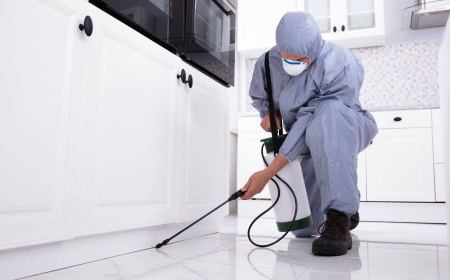
The process begins with physical containment of the work area. Polyethylene sheeting is used to seal doorways, stairwells, and HVAC vents within the basement. Negative air pressure is established inside the containment zone using air scrubbing equipment that draws air through HEPA filtration before exhausting it. This setup ensures that spores disturbed during removal are captured by the filtration equipment rather than spreading to adjacent areas of the home.
Contaminated drywall panels are removed physically rather than cleaned. This distinction is fundamental to effective remediation. Mold penetrates the paper facing and gypsum core of drywall throughout the thickness of the panel. No surface cleaning agent can reliably reach and eliminate mold that has grown into the body of the material. Removal down to the framing is the only approach that eliminates the contaminated medium entirely.
With the drywall removed, exposed framing and concrete surfaces are HEPA vacuumed and treated with commercial grade antimicrobial solutions. Any framing lumber showing evidence of mold growth is evaluated for whether it can be treated in place or requires replacement. Air scrubbing continues throughout all phases of the work.
Following treatment and before any reconstruction begins mold testing confirms that the work has achieved acceptable results. Reconstruction uses materials appropriate for the basement environment, including mold-resistant drywall products with fiberglass facing, closed-cell spray foam insulation for exterior walls, and vapor barriers where indicated.
Our article on the complete guide to mold remediation provides a detailed walkthrough of every stage of this process for homeowners who want to understand what professional remediation involves from start to finish.
Practical Steps You Can Take Right Now
If you are currently seeing or suspecting signs of mold in your basement drywall there are several immediate actions that reduce the risk of the problem worsening while you arrange for professional assessment.
Stop activities that add moisture to the basement air. This means running a dehumidifier continuously if you have one available, keeping basement windows closed during humid weather, and stopping any activities like air-drying laundry in the space until the situation has been assessed and addressed.
Turn off any HVAC equipment that serves the basement space or that draws return air from it. Running the system while mold is actively growing in the basement distributes spores through the ductwork to other areas of the home. Our guide on how to get rid of mold in AC ducts and reduce allergies explains how duct contamination occurs and why it is important to interrupt this pathway early.
Do not disturb visible mold growth by scrubbing, drilling, or cutting into affected areas before professional containment is in place. Physical disturbance of mold releases large quantities of spores into the air in a short period of time and can spread the contamination significantly beyond its current boundaries.
Photograph the affected areas for documentation. Clear photographs with a reference object for scale help the inspection and remediation team understand the visible extent of the problem before they arrive and assist with insurance documentation if a covered water damage event is involved.
Contact a certified mold remediation company to schedule an inspection and assessment. A professional evaluation gives you accurate information about what you are dealing with and a clear plan for addressing it rather than requiring you to make decisions based on incomplete information.
For situations where you are uncertain whether professional help is necessary or whether the visible growth is something you can safely address yourself, our guide on when it is safe to clean mold yourself versus calling an expert provides a clear framework for making that determination based on size, location, and material type.
Preventing Mold from Returning After Remediation
Successful mold remediation basement work resolves the current problem but it does not automatically prevent new growth from developing if the underlying conditions are not addressed. Prevention is built on controlling the moisture sources that created the problem in the first place.
Waterproofing is the foundation of long term prevention in basements with documented groundwater or seepage issues. Interior drainage systems installed at the perimeter of the basement floor collect water before it reaches wall materials and direct it to a sump pump for removal. Exterior waterproofing treatments applied to the outside surface of the foundation wall provide a more complete solution where site conditions allow.
Continuous dehumidification maintains basement humidity at levels that do not support mold growth. A basement dehumidifier capable of handling the volume of the space and set to maintain relative humidity between 30 and 50 percent creates conditions that are unfavorable for mold regardless of seasonal humidity changes.
Regular inspection of plumbing and HVAC components in the basement prevents undetected leaks and condensation problems from introducing moisture over time. Any known drip or leak should be repaired immediately rather than monitored. Our guide on how to fix water damage quickly covers the steps for addressing water intrusion promptly to prevent mold from taking hold.
Scheduling a professional assessment of the basement environment every one to two years provides ongoing reassurance and early detection of any new moisture problems before they produce another mold situation. Our mold inspection and testing services include detailed moisture assessment that identifies developing problems before they become significant remediation projects.
Conclusion
Mold basement drywall growth happens because of a fundamental combination of factors: the persistent moisture challenges of below-grade construction, the organic susceptibility of standard drywall materials, and the hidden nature of the spaces where moisture accumulates and mold establishes itself. Recognizing the warning signs at each stage of development, understanding what a professional assessment reveals, and knowing what genuine mold remediation basement work involves gives homeowners the information they need to respond effectively and prevent recurrence.
Acting on early signs rather than waiting for the problem to become visually obvious is always the better course. The difference between catching mold in basement drywall at the intermediate stage versus the advanced stage can be the difference between removing a few panels and replacing half a wall system including the structural framing behind it.
The Mold Guys have spent over 25 years helping homeowners across Southwest and Central Florida identify and resolve basement mold problems thoroughly and professionally. Their certified team uses advanced inspection tools, proven remediation protocols, and post-remediation mold testing to ensure that every project is resolved completely. Contact The Mold Guys today to schedule your basement assessment and get the accurate information you need to protect your home.
FAQs
Q: What makes basement drywall more susceptible to mold than drywall on upper floors?
A: Basement drywall is positioned in a below-grade environment with consistently higher moisture exposure from groundwater migration, temperature-driven condensation, and limited ventilation. Standard drywall paper facing absorbs this moisture readily and provides a direct food source for mold spores to germinate and grow.
Q: How does a home mold inspection find mold inside basement walls without cutting into them?
A: A home mold inspection uses moisture meters to detect elevated water content inside wall materials and thermal imaging cameras to map temperature differences caused by trapped moisture. Air sampling identifies elevated spore concentrations in the basement air even when no visible growth has been located.
Q: Is water damage drywall mold in a basement always visible from the surface?
A: No. Water damage drywall mold frequently develops inside the wall cavity and behind the paper facing of the drywall without producing any visible surface signs for weeks or months. Musty odors, soft spots, and unexplained health symptoms are often the first indicators before any visible growth appears.
Q: Why does mold remediation basement work require removing drywall rather than cleaning it?
A: Mold penetrates the paper facing and gypsum core of drywall throughout the thickness of the panel. No surface cleaning treatment can reliably reach mold that has grown into the body of the material. Removal of contaminated panels is the only way to eliminate the mold medium entirely and prevent regrowth.
Q: When is mold testing necessary after completing basement mold remediation?
A: Post-remediation mold testing is recommended after every basement remediation project. It provides laboratory confirmation that spore concentrations have returned to acceptable levels compared to outdoor baseline measurements. This objective verification confirms the remediation was thorough before reconstruction and reoccupancy of the space proceeds.