Why Is Hair Cutting an Important Part of Umrah?
Learn why hair cutting completes Umrah, the difference between Halq and Taqsir, and the spiritual meaning behind this essential ritual.
 caseymhull
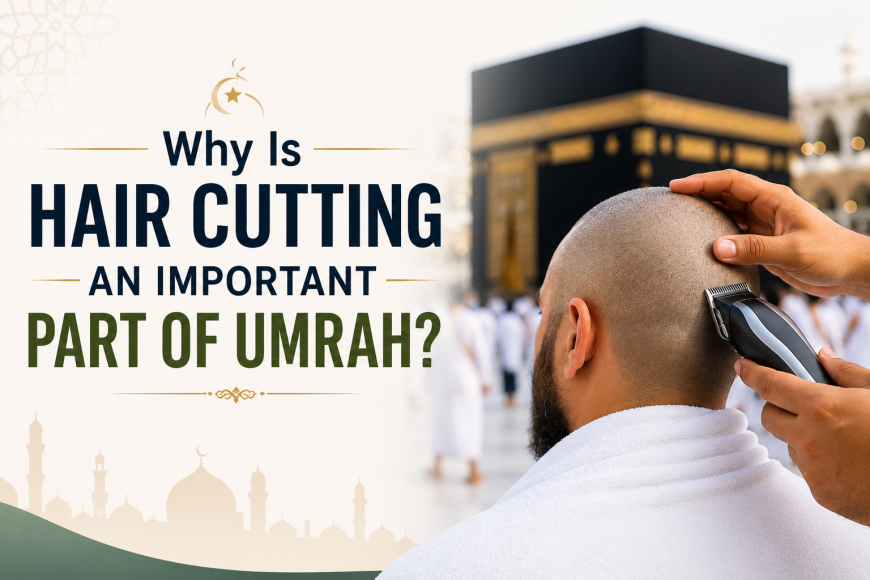
When people think about Umrah, they often focus on Tawaf around the Ka'bah or the walk between Safa and Marwah. However, one of the most important rituals comes at the very end, cutting the hair. Although it only takes a few moments, this act completes the pilgrimage and marks the end of the state of Ihram. Whether you are travelling through Cheap Umrah Packages or organising your journey independently, understanding the purpose of this ritual will help you appreciate its true value.
Allah says:
The believers would enter the Masjid al-Haram safely, with their heads shaved or hair cut short, without any fear.
(Surah Al-Fath 48:27)
This verse shows that shaving or shortening the hair is not simply a tradition. It is an important act of worship that forms part of completing Umrah according to the guidance of Islam.
The Final Step That Completes Your Umrah
Hair cutting is the last ritual performed after completing Tawaf and Sa'i. Once it is done, the pilgrim leaves the state of Ihram, and the restrictions that applied during Umrah come to an end.
This makes the ritual much more significant than many people realise. It serves as the official completion of your pilgrimage and allows you to return to your normal daily activities.
Just as every journey has a meaningful ending, Umrah concludes with an act that reminds believers they have fulfilled an important command of Allah.
Rather than rushing through this final step, pilgrims should perform it with gratitude, recognising that Allah has given them the opportunity to complete one of the most blessed acts of worship.
Why Allah Commanded This Ritual
Every command in Islam contains wisdom, even when we may not fully understand every detail. Cutting the hair after Umrah teaches Muslims an important lesson about obedience. From a worldly perspective, removing or shortening the hair may appear to be a simple action. Yet believers perform it because Allah has commanded it and because the Prophet ﷺ practised it.
This willingness to obey Allah without hesitation is one of the foundations of faith. Throughout Umrah, pilgrims leave behind comfort, spend time in worship, and follow specific rules while in Ihram. The final act of cutting the hair completes this journey of submission and reminds Muslims that true success lies in obeying Allah with sincerity.
The Prophet ﷺ also showed the importance of this ritual through his own example, encouraging believers to complete Umrah according to the Sunnah.
More Than a Haircut: A Symbol of Spiritual Renewal
Hair cutting is not simply about changing your appearance. It symbolises a fresh beginning. After completing Umrah, many pilgrims feel spiritually refreshed. They have spent time remembering Allah, making dua, seeking forgiveness, and reflecting on their lives.
Removing or trimming the hair serves as an outward sign of this inward transformation. It reminds believers to leave behind sins, pride, and harmful habits just as they leave behind the state of Ihram.
Although the physical change is small, the spiritual lesson is profound. Returning home from Umrah should inspire Muslims to continue praying regularly, speaking kindly, helping others, and living according to the teachings of Islam.
In this way, the real success of Umrah is measured not by the haircut itself but by the positive changes it inspires in a person's character.
Halq and Taqsir: Understanding the Two Options
Islam provides two ways to complete this final ritual, depending on the pilgrim.
Halq (Shaving the Head)
Halq means completely shaving the head and is prescribed for men. According to authentic hadith, it carries greater virtue because the Prophet ﷺ made dua three times for those who shaved their heads before praying once for those who shortened their hair.
This highlights the special reward associated with Halq and explains why many male pilgrims choose this option whenever possible.
Taqsir (Trimming the Hair)
Taqsir means shortening the hair instead of shaving it completely. Men may choose this option, and their Umrah remains valid when it is performed correctly. Women, however, complete their Umrah by trimming a small amount from the ends of their hair. Shaving the head is not prescribed for women.
Both Halq and Taqsir complete the Umrah when performed according to the Sunnah, allowing the pilgrim to leave the state of Ihram with confidence and gratitude.
Common Misconceptions About Hair Cutting After Umrah
Although hair cutting is one of the final rituals of Umrah, there are several misunderstandings about it. One common misconception is that it is only a cultural tradition and not an important part of Umrah. In reality, shaving or trimming the hair is an established ritual supported by the Qur'an and the Sunnah.
Another misunderstanding is that cutting just a few random strands is enough. Scholars explain that the trimming should be done properly so that it reflects the completion of the ritual. Men who choose Taqsir should shorten the hair from around the head rather than cutting only one small section.
Some people also believe that women should shave their heads, but this is not the practice taught by the Prophet ﷺ. Women complete their Umrah by trimming a small portion from the ends of their hair.
Finally, a few pilgrims mistakenly think that hair cutting is optional. However, it is an important part of completing Umrah and should not be overlooked.
Practical Advice Before Completing This Ritual
Preparing for this final step can make the experience smoother and more comfortable. Choose a clean and appropriate place to shave or trim your hair, and make sure the ritual is completed before considering yourself out of Ihram. If you are unsure how much hair should be removed, seek guidance from a knowledgeable scholar or your group leader.
Pilgrims travelling during busy seasons through Ramadan Umrah Packages from UK should also expect longer queues at barber shops and designated hair-cutting areas. A little patience and planning can help you complete this final ritual withybout unnecessary stress.
Most importantly, remember that this is still an act of worship. Perform it with gratitude and sincerity rather than treating it as a routine task to finish quickly.
The Real Change Should Be in the Heart
The true purpose of Umrah is not simply to complete a series of rituals but to become a better servant of Allah. Hair cutting represents more than the end of the pilgrimage. It reminds believers to begin a new chapter in their lives with stronger faith, better character, and a sincere commitment to obey Allah.
Returning home after Umrah should inspire positive changes that continue long after the journey has ended. Patience, honesty, kindness, gratitude, and regular worship are among the greatest signs that Umrah has had a lasting impact.
The outward act of cutting the hair should reflect an inward desire to leave behind sins and grow closer to Allah every day. When this spiritual lesson is understood, the final ritual becomes one of the most meaningful moments of the entire pilgrimage.
Conclusion
Hair cutting is far more than a simple finishing step in Umrah. It marks the completion of a blessed journey, symbolises obedience to Allah, and reminds every pilgrim to begin a new chapter with a purified heart. Whether a man chooses Halq or Taqsir, or a woman trims a small portion of her hair, this final act reflects humility, gratitude, and submission to the commands of Allah.
If you are planning your pilgrimage with an experienced travel provider such as Safa Travel, take time to understand the meaning behind every ritual rather than simply learning the steps. When each act of worship is performed with knowledge and sincerity, Umrah becomes a life-changing experience that continues to shape your character long after you return home.
May Allah accept the Umrah of every pilgrim, forgive our sins, purify our hearts, and allow us to return from His sacred House with stronger faith and lasting righteousness. Ameen.