Why Hands-On Art Experiences Matter for Childhood Development
 crissmiel
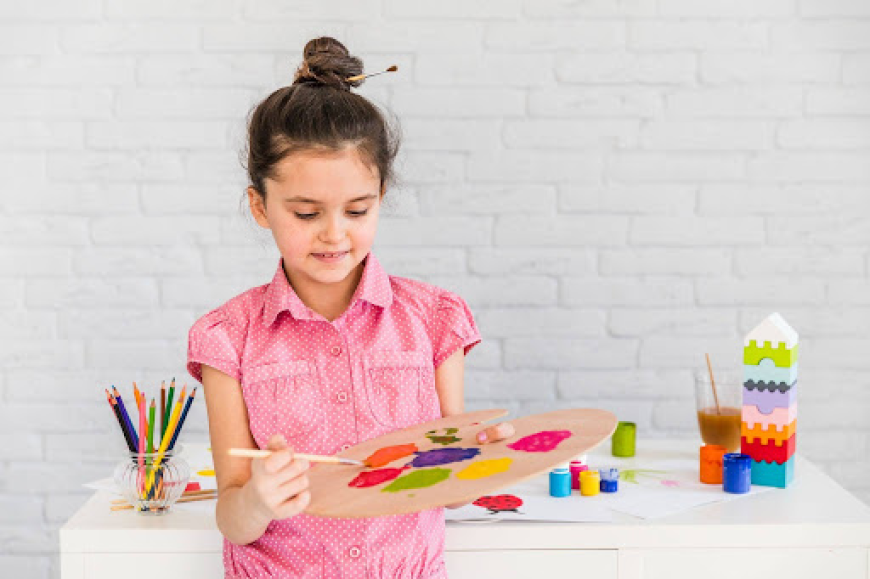
A lot of people still see art as something extra for children, like a nice little activity after the “real learning” is done. I don’t agree with that. A children's art camp gives kids something schools and screens often don’t — the chance to touch, build, mess up, try again, and figure things out with their own hands. That process matters. Kids are not just making paintings or crafts. They are building confidence, patience, problem-solving skills, and a stronger connection with their own ideas. Sometimes the messy parts are where the best learning happens.
Why Creative Learning Through Art Builds Stronger Kids
Hands-on creativity helps children develop in ways that are easy to miss. When a child mixes colors, shapes clay, cuts paper, or creates something from scratch, they are making decisions constantly. What should I do next? Does this look right? Should I change it? These small choices train independent thinking. It’s not about creating a perfect piece of artwork. Honestly, perfect is kind of boring anyway. The real value is in the process, where children learn that mistakes are normal and improvement comes from trying again.
Art also supports emotional growth. Many children don’t always have the words to explain what they feel. Through drawing, painting, and other creative activities, they get another way to express themselves. A child who feels shy or unsure can often communicate through their work before they can explain it out loud. This is one reason creative activities are used so often in early childhood learning. They give kids a safe space to explore thoughts and feelings without worrying about being wrong.
How Art Experiences Improve Focus, Confidence, and Imagination
One thing I’ve noticed about hands-on art is that it pulls children into the moment. They have to slow down and pay attention. In a world where kids jump between apps, videos, and constant distractions, sitting down with a creative project can feel surprisingly powerful. It teaches focus without making it feel like a lesson. A child might spend an hour working on something because they are interested, not because someone told them they have to.
Confidence is another big piece. When children complete a creative project, they get a clear reminder that they can make something happen. It starts small. A paper sculpture. A painting. A handmade object they can show their family. But that feeling of “I made this myself” sticks with them. Over time, those little wins can shape how they approach challenges outside of art too.
The Importance of Social Learning in Creative Spaces
Art experiences are not always quiet, solo activities. They can also help children connect with others. In a group setting, kids learn how to share materials, talk about ideas, give feedback, and respect different ways of creating. One child may paint a tree blue while another makes a completely realistic one. Both are valid. That simple understanding can help children become more open-minded.
A good art class for kids is not just about teaching techniques or copying a teacher’s example. It should encourage curiosity. Children should feel comfortable asking questions, experimenting with new materials, and creating something that feels like their own. The right environment makes a huge difference because kids usually learn better when they feel relaxed and supported, not pressured to perform.
Why Parents Should Make Room for More Creative Experiences
Parents often focus on activities that have obvious results, like sports scores or academic achievements. Those things have value, of course. But creativity deserves a spot too. The skills children build through art can show up in many areas of life, from communication to decision-making. A child who learns to experiment with colors and materials is also learning to approach problems with a flexible mindset.
Hands-on art does not need to mean expensive supplies or complicated projects either. A few basic materials, some space to explore, and a little encouragement can go a long way. Sometimes adults get too worried about the final product. Kids usually don’t care about that part. They care about the experience. They care that they got to create something and that someone noticed.
Conclusion: Creative Experiences Shape More Than Artwork
Childhood is a short window where imagination is naturally strong and curiosity comes easily. Hands-on art experiences help protect that curiosity while giving children important skills they carry forward. It’s not only about making something beautiful to hang on a wall. It’s about helping kids become more confident, thoughtful, and willing to explore new ideas. Art gives children room to grow, and that’s something worth making time for.