Skin Tag Removal in London: Understanding Modern Removal Methods
Discover Skin Tag Removal in London, including modern removal methods, treatment planning, consultation, and what to expect throughout the process.
 Bodyvie Clinic
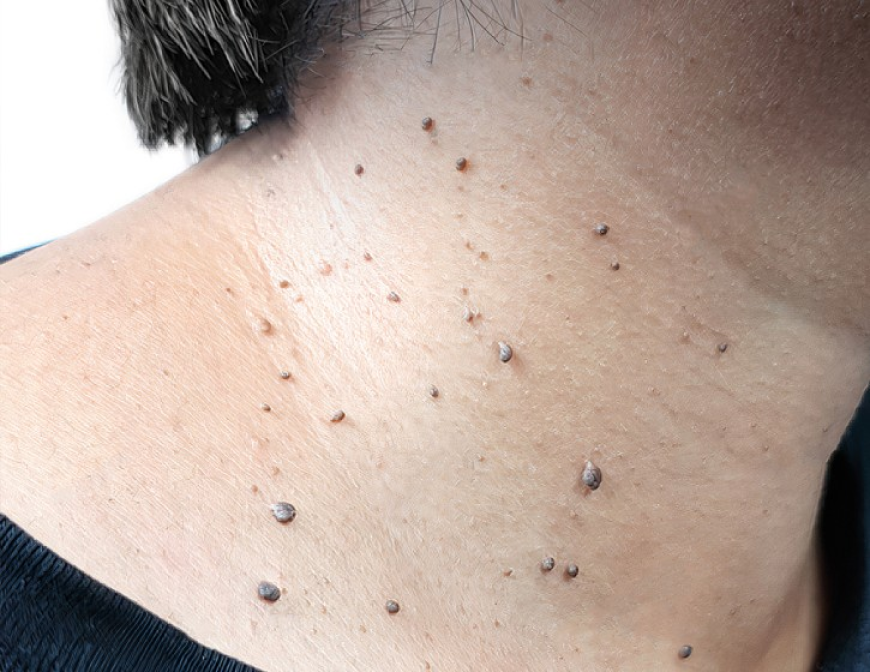
Skin tags are small, soft growths that can appear on different areas of the body. They are often noticed around the neck, underarms, eyelids, chest, or other areas where skin naturally folds or experiences friction. Although skin tags are generally harmless, some people choose to have them removed because they catch on clothing, become inconvenient during everyday activities, or simply affect their personal preferences regarding their skin's appearance.
Modern aesthetic and dermatological clinics offer several approaches for removing skin tags. The most appropriate method depends on the size, location, number, and characteristics of the skin tag, as well as the individual's preferences and professional assessment.
For people researching Skin Tag Removal in London, understanding the available methods and the treatment process can make it easier to know what to expect during a consultation. A professional assessment is particularly important because not every skin growth that looks like a skin tag should automatically be treated as one.
What Are Skin Tags?
Skin tags are small, soft pieces of tissue that commonly develop in areas where skin rubs against skin or clothing. They can vary in size and may appear attached to the skin by a narrow stalk or have a broader base.
Skin tags are frequently found around areas such as the neck, underarms, eyelids, groin, and beneath the breasts. They can occur in people of different ages and skin types.
Many people seek removal because a skin tag may become noticeable or inconvenient. For example, it may catch against jewellery, clothing, or other items during everyday activities.
A professional examination can confirm whether a growth is suitable for skin tag removal and whether another type of skin lesion should be considered instead.
Why Do People Choose Skin Tag Removal?
The decision to remove a skin tag is personal. Some individuals may want removal because the growth repeatedly catches on clothing or jewellery. Others may prefer to remove a visible skin tag from an exposed area.
Skin tags around the neck, face, or eyelids can be particularly noticeable, which may lead some people to explore professional removal.
The reason for treatment does not necessarily need to be medical. Many people simply want to improve the appearance or convenience of a particular area.
The first step is a professional assessment to establish whether removal is appropriate.
What Is Skin Tag Removal in London?
Skin Tag Removal in London refers to professional procedures used to remove unwanted skin tags following an assessment by an appropriately qualified practitioner.
Different removal methods may be considered depending on the characteristics of the growth. These can include techniques that physically remove the skin tag or use controlled energy to address the targeted tissue.
The choice of technique depends on factors such as the size and location of the skin tag, its attachment to the surrounding skin, and the practitioner's clinical assessment.
Rather than using one method for every patient, modern treatment focuses on selecting an appropriate technique for the individual case.
Why Is Professional Assessment Important?
A professional assessment is an essential part of skin tag removal. Several different types of skin growths can appear similar to an untrained eye.
Before removal, a practitioner examines the area and determines whether the growth has the characteristics of a typical skin tag.
The assessment also allows the practitioner to consider its size, position, shape, and attachment to the skin.
This information helps determine whether removal is appropriate and which method may be most suitable.
What Happens During a Skin Tag Consultation?
A consultation usually begins with an examination of the skin tag or tags that the patient would like to have removed.
The practitioner may ask how long the growth has been present and whether it has changed over time. They may also discuss any previous treatments performed on the area.
The location and size of the skin tag are assessed, and the practitioner can explain the available removal options.
Patients can use this appointment to ask about the recommended technique, treatment time, aftercare, and expected healing process.
Modern Skin Tag Removal Methods
Several techniques can be used to remove skin tags. The appropriate option depends on the individual skin tag and professional assessment.
Some methods physically remove the growth, while others use controlled energy to treat the targeted tissue.
The practitioner selects the technique according to the size, location, shape, and attachment of the skin tag.
Understanding the differences between available methods can help patients have a more informed conversation during their consultation.
Cryotherapy for Skin Tags
Cryotherapy uses controlled cold energy to treat selected skin growths. The technique has been used in dermatological practice for many years.
During treatment, the practitioner applies the appropriate cryotherapy technique to the targeted skin tag.
The treated area then goes through a natural healing process as the affected tissue settles.
Whether cryotherapy is suitable depends on the type, location, and characteristics of the skin tag.
A practitioner can explain whether this method is appropriate following an examination.
Electrocautery and Electrodesiccation
Electrocautery and electrodesiccation use controlled electrical energy to treat targeted tissue.
The practitioner applies the technique carefully to the selected skin tag, with the aim of removing or treating the unwanted growth.
The suitability of this method depends on the size and location of the skin tag and the practitioner's assessment.
Because the technique involves controlled energy, it should be performed by a suitably trained professional using appropriate clinical equipment.
Surgical Snip or Excision
For some skin tags, a practitioner may use a small instrument to remove the growth directly.
This approach can be considered for certain skin tags depending on their size, shape, and attachment to the skin.
The practitioner assesses the area before deciding whether this technique is appropriate.
The procedure is performed carefully to address the targeted growth while considering the surrounding skin.
Which Skin Tag Removal Method Is Best?
There is no single removal method that is best for every skin tag.
The appropriate approach depends on several factors, including:
- The size of the skin tag
- Its location
- Its shape and attachment
- The number of skin tags being treated
- The surrounding skin
- The practitioner's clinical assessment
- The individual's treatment preferences
A consultation allows the practitioner to compare the available options and recommend an appropriate technique.
What Happens During Skin Tag Treatment London?
During Skin Tag Treatment London, the practitioner first confirms the treatment area and reviews the planned removal method.
The skin is prepared before the chosen technique is performed. Depending on the method, the practitioner may use an appropriate form of local comfort management.
The treatment is focused specifically on the identified skin tag.
Once treatment is complete, the practitioner provides aftercare instructions and explains how the area should be managed while it settles.
The duration varies depending on the number and size of skin tags being treated.
How Long Does Skin Tag Removal Take?
The treatment duration depends on the size, number, and location of the skin tags.
A single small skin tag may require a relatively short appointment, while several growths may take longer to treat.
During the consultation, the practitioner can provide a more accurate estimate based on the number of areas being considered.
Patients should allow additional time for consultation and aftercare instructions.
Understanding the Skin Tag Removal Recovery Process
After Skin Tag Removal in London, the treated area goes through a natural healing process.
The practitioner provides specific instructions about keeping the area clean, caring for the skin, and applying any recommended products.
The recovery timeline varies according to the removal method, size of the treated area, and individual healing characteristics.
Patients should follow their practitioner's instructions rather than relying solely on generic online information.
When Can You Return to Normal Activities?
The timeline for returning to normal activities depends on the removal method and treatment location.
For a small, straightforward treatment, many everyday activities may be resumed relatively quickly. However, the practitioner may provide specific instructions regarding skincare, exercise, swimming, or exposure to certain environments.
Patients should follow the guidance provided for their particular treatment.
If the treated area is highly visible or the patient has an important event coming up, treatment timing can be discussed during the consultation.
Skin Tag Removal on the Face and Neck
Skin tags on the face and neck can be particularly noticeable because these areas are frequently visible.
When treating visible areas, the practitioner needs to consider the surrounding skin and the location of the growth.
The removal method is selected based on the characteristics of the individual skin tag.
Patients should avoid attempting to remove facial or neck skin tags themselves and instead arrange a professional assessment.
Skin Tag Removal Around the Eyelids
Skin tags around the eyelids require particularly careful assessment because the area is delicate and close to the eyes.
A practitioner should determine whether the growth is appropriate for treatment and whether the selected removal technique is suitable for the location.
Patients considering treatment near the eyelids should specifically ask about the practitioner's experience with this area during their consultation.
Choosing a Skin Tag Removal Clinic London
Choosing an appropriate provider is an important part of the treatment journey. When researching a Skin Tag Removal Clinic London, patients should consider practitioner qualifications, experience, treatment methods, consultation quality, clinical standards, and aftercare arrangements.
A professional clinic should assess the growth before treatment rather than simply treating every lesion as a skin tag.
The clinic should also explain the recommended method and provide clear information about what happens before and after treatment.
For individuals considering bodyvie clinic, contacting the clinic directly can provide further information about its skin tag removal services, available treatment methods, consultation process, and practitioner approach.
What Questions Should You Ask?
Patients can prepare several questions before their appointment.
Useful questions include:
- Is this growth suitable for skin tag removal?
- Which removal method do you recommend?
- Why is this method appropriate for my skin tag?
- How long will the treatment take?
- How should I care for the area afterward?
- When can I return to my usual activities?
- Will I need a follow-up appointment?
- Can multiple skin tags be treated during one appointment?
- What should I expect while the treated area heals?
These questions can help patients understand the treatment plan before proceeding.
Preparing for Skin Tag Removal
Preparation begins with the consultation. Patients should provide accurate information about relevant medical history, medications, previous skin treatments, and skincare products.
The practitioner can provide personalised instructions based on the selected removal method.
It can also be helpful to plan treatment around work, social activities, or important events, particularly if the treated area is visible.
Following professional preparation guidance can help make the treatment process more organised.
What Happens After Skin Tag Removal?
After treatment, the practitioner provides specific aftercare instructions based on the removal method.
The treated area should be cared for according to professional guidance while it heals. Patients may receive recommendations regarding cleansing, skincare, physical activity, and protection of the treated area.
A follow-up appointment may be recommended depending on the treatment method and the number of skin tags treated.
During follow-up, the practitioner can assess the healing process and answer any questions.
Can New Skin Tags Develop?
Removing an existing skin tag addresses the specific growth that has been treated. It does not necessarily prevent other skin tags from developing elsewhere in the future.
Some people may naturally develop additional skin tags over time.
If a new growth appears, it is sensible to have it assessed rather than assuming that it is another skin tag.
A professional evaluation can determine whether further treatment is appropriate.
Why Professional Removal Is Preferable
Attempting to remove a skin tag at home can make it difficult to determine whether the growth is actually a skin tag and whether the chosen technique is appropriate.
Professional treatment begins with identification and assessment. The practitioner can then select a suitable removal method based on the growth's characteristics.
This approach also provides patients with clear aftercare instructions and professional follow-up when required.
Conclusion
Skin Tag Removal in London provides a professional approach for people who want to have unwanted skin tags assessed and removed. Modern clinics may offer different removal techniques, including cryotherapy, controlled electrical methods, and direct removal, depending on the individual skin tag.
For anyone considering Skin Tag Treatment London, the process should begin with a professional consultation. Assessing the growth before treatment helps establish whether it is appropriate for removal and which technique may be most suitable.
Choosing an experienced Skin Tag Removal Clinic London is equally important. Patients should consider practitioner qualifications, treatment experience, available methods, consultation quality, and aftercare.
For those considering bodyvie clinic, contacting the clinic directly can provide more information about available skin tag removal options, consultation arrangements, treatment areas, and aftercare guidance.
Ultimately, modern skin tag removal is about individual assessment and appropriate treatment selection. A professional consultation can provide clarity about the available options and help patients understand what to expect throughout the removal and recovery process.
FAQs
What is Skin Tag Removal in London?
Skin Tag Removal in London refers to professional treatment designed to remove unwanted skin tags following an appropriate clinical assessment. Different removal techniques may be considered depending on the growth.
What is Skin Tag Treatment London?
Skin Tag Treatment London includes professional methods used to assess and remove skin tags. Treatment options can include cryotherapy, controlled electrical techniques, or direct removal, depending on the individual case.
How are skin tags removed?
Skin tags can be removed using several methods. A practitioner may recommend cryotherapy, electrocautery or electrodesiccation, or direct removal depending on the size, location, and characteristics of the growth.
How do I know if a growth is a skin tag?
A practitioner can examine the growth and determine whether it has the typical characteristics of a skin tag. Professional assessment is important because other types of skin lesions can sometimes appear similar.
Can skin tags be removed from the neck?
Yes, skin tags on the neck can be assessed for professional removal. The practitioner selects a suitable method based on the size, position, and characteristics of the growth.
Can skin tags be removed from the face?
Facial skin tags may be suitable for professional removal. Because the face is highly visible, the practitioner carefully considers the location and surrounding skin when selecting a treatment method.
Can skin tags be removed around the eyelids?
Skin tags near the eyelids require careful professional assessment because the area is delicate and close to the eyes. A suitably experienced practitioner can determine whether treatment is appropriate.
How long does Skin Tag Removal in London take?
Treatment time varies depending on the number, size, and location of the skin tags. A practitioner can provide an estimated treatment duration during the consultation.
What happens after skin tag removal?
The treated area goes through a natural healing process. Your practitioner will provide personalised aftercare instructions covering cleansing, skincare, physical activity, and care of the treated area.
Can new skin tags appear after removal?
Removal addresses the individual skin tag that has been treated. It does not necessarily prevent new skin tags from developing elsewhere in the future.
How do I choose a Skin Tag Removal Clinic London?
When selecting a Skin Tag Removal Clinic London, consider practitioner qualifications, experience, treatment options, consultation quality, clinical standards, and aftercare arrangements.
Can I have skin tag removal at bodyvie clinic?
If you are considering bodyvie clinic, contact the clinic's professional team to ask about skin tag removal availability, consultation arrangements, treatment methods, and suitability for your individual requirements.
What should I ask during a skin tag removal consultation?
Ask whether the growth is suitable for removal, which method is recommended, why that technique has been selected, how long treatment takes, what aftercare is required, and whether a follow-up appointment is recommended.
Is professional assessment necessary before skin tag removal?
Yes. A professional should assess the growth before treatment to determine whether it has the characteristics of a skin tag and whether removal is appropriate.