Why Grain Direction Matters in Woodworking
Grain direction. Sounds like one of those technical things you can ignore at first, right?
 crissmiel
Introduction
Grain direction. Sounds like one of those technical things you can ignore at first, right?
Yeah… no. Not really.
It’s one of those small details that quietly controls everything. How your cuts feel. How your wood behaves. Even how your final piece looks after finishing. Ignore it, and you’ll fight the material the whole way through. Respect it, things just… work better.
A lot of beginners don’t even notice grain at first. They’re focused on tools, measurements, getting straight lines. Fair. But then they wonder why their cuts tear out or why sanding looks uneven. Sometimes they even go searching for a wood cutting service in toronto thinking the issue is the tools or precision. But half the time, it’s just the grain being ignored.
Let’s get into it. No fluff.
What Grain Direction Actually Means
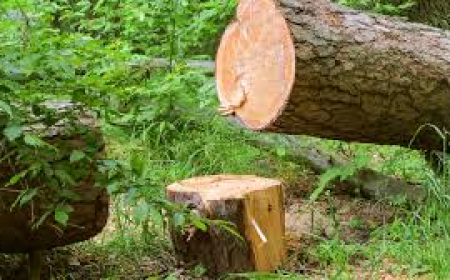
Wood isn’t uniform. It’s not like plastic or metal. It has fibers. Long ones, running through the length of the board.
That’s the grain. Think of it like hair. You can run your hand with the grain, smooth. Against it? Rough, messy, uncomfortable.
Same thing happens with tools.
When you cut, plane, or sand with the grain, everything feels cleaner. Less resistance. Better finish. When you go against it, fibers lift, tear, splinter. That’s where things start going wrong.
And yeah, sometimes the grain isn’t perfectly straight. It curves, twists, does its own thing. That’s where it gets tricky.
Why Grain Direction Affects Your Cuts
This is where it really shows.
Cutting with the grain:
-
Smooth edges
-
Less tear-out
-
Easier control
Cutting against it:
-
Jagged edges
-
Splintering
-
Extra sanding (a lot of it)
You’ll feel it immediately. Tools don’t glide the same way.
Even machines react differently. Table saw, planer, jointer… all of them behave better when you respect grain direction. Ignore it, and you’ll hear it. That rough, chattering sound. Not good.
At places like GTA WoodWorks, this is one of the first things people are taught. Not because it’s fancy knowledge. Because it saves time, wood, and frustration.
Grain Direction and Wood Strength
Here’s something people don’t think about enough.
Wood is stronger along the grain, weaker across it.
So when you’re designing something a table, shelf, whatever grain direction isn’t just about looks. It affects durability.
If you put stress across the grain, things can crack. Split. Fail over time.
That’s why you’ll see experienced woodworkers align grain based on how the piece will be used. It’s subtle, but it matters.
How to Read Grain (Without Overthinking It)
You don’t need fancy tools for this.
Just look at the wood.
-
Lines running along the board = grain direction
-
Arrows or cathedral patterns = changes in grain
-
Rough vs smooth feel when you run your hand = direction clue
Sometimes it’s obvious. Sometimes not.
Flip the board, tilt it in light, run your fingers across it. You’ll start to feel it more than see it after a while.
Honestly, this is something you get better at with practice. Not theory.
That’s why hands-on learning matters. A lot of people pick this up faster in carpentry classes toronto style environments than from videos. You actually feel the difference in real time.
Sanding With vs Against the Grain
This one trips up beginners a lot.
You can do everything right good cuts, solid build then ruin the finish by sanding the wrong way.
Sanding with the grain:
-
Smooth finish
-
Clean look after staining
Sanding against it:
-
Scratches that show up later
-
Uneven finish
-
Frustration (yeah, that too)
And here’s the annoying part sometimes scratches don’t show until you apply finish. Then boom, they’re everywhere.
So yeah, always sand with the grain. Even if it takes longer.
Grain Direction and Finishing
Grain doesn’t just affect cutting and sanding. It changes how wood absorbs finish.
Stain, oil, even epoxy they all react differently depending on grain.
End grain (the cut ends of wood) absorbs way more. It gets darker. Sometimes way darker.
Face grain? More even.
That’s why some pieces look blotchy. Not because of bad stain. Because the grain wasn’t considered.
A simple trick seal or condition the wood before staining. Helps even things out.
Common Mistakes Beginners Make
Let’s keep this real.
Most people:
-
Ignore grain direction completely
-
Cut whichever way feels easiest
-
Sand randomly
-
Blame tools when things go wrong
And it’s not their fault. Nobody really explains this properly early on.
But once you notice grain, you can’t unsee it.
Your whole approach changes.
Why Learning in the Right Environment Helps
You can read about grain direction all day. Doesn’t stick the same.
You need to feel it.
That’s where places like GTA WoodWorks come in. Not just tools, but guidance. Someone pointing out, “hey, you’re going against the grain here” that kind of feedback speeds things up a lot.
Same with structured setups like carpentry classes toronto workshops. You get different types of wood, different tools, real-time mistakes. That’s how it clicks.
Trying to figure everything out alone? Slower. More frustrating.
When You Can Break the Rules (A Little)
Alright, so here’s the thing.
Grain direction matters. A lot. But it’s not a rigid rule you can never break.
Sometimes you have to go against the grain. Complex shapes, tight areas, weird designs it happens.
The difference is, experienced woodworkers know when they’re breaking the rule. And they adjust.
-
Lighter cuts
-
Sharper tools
-
Extra sanding
Beginners? They break the rule without realizing it. That’s the issue.
Conclusion
Grain direction isn’t some advanced concept. It’s basic. Foundational.
But it’s also one of the biggest reasons projects either look clean or look like a struggle.
Once you start paying attention to it, everything improves. Cuts get smoother. Finishes look better. Even your confidence goes up a bit.
And yeah, if you’re serious about getting better, don’t just rely on trial and error. Learn in the right setup. Whether that’s working with a wood cutting service in toronto for better prep or spending time in carpentry classes toronto environments, it helps more than people admit.
At the end of the day, wood has its own direction. Literally.
You either work with it… or fight it every step of the way.