Why Contractor Management Software Is a Must in High-Risk Work Environments?
Protect high-risk worksites with Contractor Management Software integrated with Safety Software and Risk Control Matrix tools.
 Occucare
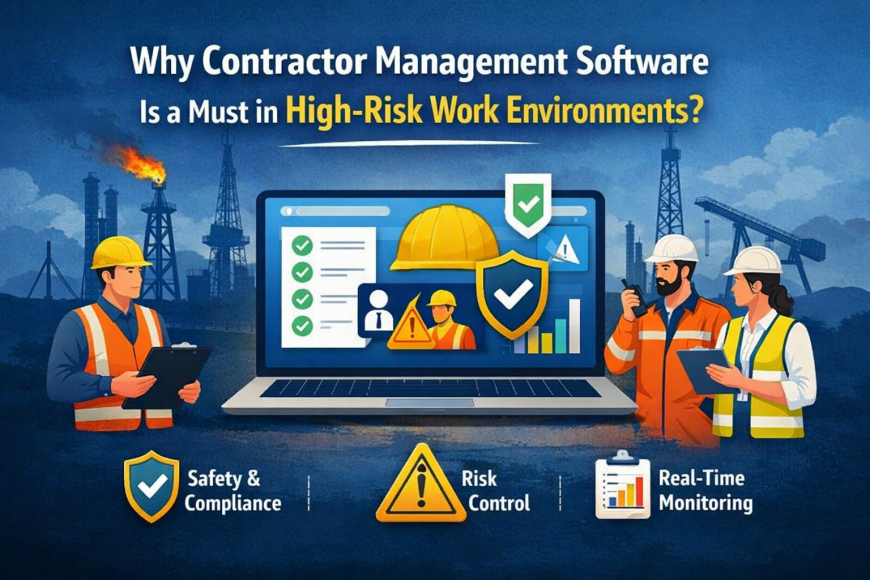
High-risk industries operate on the edge of uncertainty. From construction sites and oil refineries to logistics hubs and manufacturing plants, even a small safety oversight can lead to severe injuries, regulatory penalties, operational downtime, or reputational damage. In such environments, managing contractors effectively is not just a best practice — it’s a necessity.
This is where Contractor Management Software becomes mission-critical. By integrating digital compliance tracking, safety workflows, risk assessments, and real-time monitoring, organizations can ensure contractors meet safety standards while minimizing operational risks. Let’s explore why Contractor Management Software is no longer optional in high-risk work environments.
The Rising Complexity of High-Risk Workplaces
Industries such as construction, mining, logistics, and heavy manufacturing rely heavily on third-party contractors. These contractors often handle specialized tasks involving hazardous materials, heavy equipment, confined spaces, or high-voltage systems.
The challenge?
-
Multiple contractors working simultaneously
-
Different safety standards and certifications
-
Inconsistent training documentation
-
Lack of real-time compliance tracking
Without a centralized system, safety managers rely on spreadsheets, emails, and manual documentation — increasing the chance of oversight. Contractor Management Software eliminates these inefficiencies by providing a structured and automated compliance framework.
1. Strengthening Compliance and Regulatory Control
High-risk industries are governed by strict safety regulations. Failure to comply can result in fines, legal liabilities, or project shutdowns.
A robust Safety Software platform ensures:
-
Automated license and certification tracking
-
Expiry alerts for insurance and permits
-
Digital document verification
-
Contractor pre-qualification workflows
When integrated with Risk Control Matrix Software, organizations can map contractor activities against risk categories and control measures. This structured approach ensures that every contractor aligns with defined safety protocols before entering the worksite.
2. Enhancing Real-Time Visibility and Accountability
One of the biggest safety challenges is visibility. Who is on-site? Are they authorized? Have they completed mandatory safety training?
Contractor Management Software provides:
-
Real-time contractor check-in/check-out systems
-
Digital induction records
-
Role-based access permissions
-
Audit-ready reporting dashboards
When connected with Workplace Safety Software, safety teams can monitor incident reports, unsafe acts, near-miss events, and compliance gaps instantly.
This transparency reduces blind spots — and in high-risk environments, blind spots can cost lives.
3. Proactive Risk Identification and Mitigation
Traditional risk management often reacts after incidents occur. Modern Contractor Management Software shifts the focus toward prevention.
By integrating with Risk Control Matrix Software, organizations can:
-
Identify high-risk contractor tasks
-
Assign risk levels to activities
-
Implement predefined control measures
-
Monitor compliance adherence
For example, if a contractor is assigned to work at height, the system can automatically verify fall protection certifications, PPE requirements, and permit approvals before access is granted.
Similarly, integration with Logistics Risk Management Software ensures contractors involved in transportation or material handling follow standardized safety protocols, reducing accident rates and supply chain disruptions.
4. Reducing Incidents and Workplace Injuries
High-risk industries often face a disproportionate number of workplace injuries — many involving contractors unfamiliar with site-specific hazards.
With Contractor Management Software, organizations can:
-
Deliver digital safety inductions
-
Track training completion status
-
Enforce mandatory safety modules
-
Monitor behavioral safety trends
When integrated with Workplace Safety Software, the platform allows real-time reporting of hazards, unsafe conditions, and corrective actions.
Data analytics further identifies patterns — such as recurring incidents linked to specific tasks or contractor groups — enabling preventive action before escalation.
5. Streamlining Contractor Onboarding and Qualification
Manual onboarding processes are time-consuming and prone to error. Missing insurance documents or expired certifications often go unnoticed until a compliance audit or accident occurs.
Contractor Management Software automates:
-
Contractor prequalification
-
Background verification
-
Safety performance evaluation
-
Risk-based approval workflows
By connecting this system with Risk Control Matrix Software, organizations can align contractor approvals with risk profiles. High-risk contractors can undergo stricter vetting processes, while low-risk vendors experience faster approvals.
This approach balances operational efficiency with safety assurance.
6. Improving Data-Driven Decision Making
In high-risk environments, decisions must be backed by data — not assumptions.
Modern Safety Software platforms provide:
-
Contractor performance scorecards
-
Incident frequency tracking
-
Compliance trend analysis
-
Risk heat maps
By integrating Workplace Safety Software and Logistics Risk Management Software, organizations gain a holistic risk overview across operations.
This unified data ecosystem helps leadership:
-
Identify high-risk contractors
-
Optimize safety budgets
-
Improve contractor selection criteria
-
Reduce insurance premiums
Data transparency strengthens both operational safety and financial performance.
7. Ensuring Business Continuity and Reputation Protection
In industries like oil & gas, logistics, or construction, a single contractor-related accident can halt operations for days or weeks.
Consequences may include:
-
Legal investigations
-
Regulatory scrutiny
-
Insurance claims
-
Negative media coverage
Contractor Management Software minimizes such disruptions by ensuring strict compliance, proactive risk management, and documentation readiness for audits.
When paired with Workplace Safety Software and Risk Control Matrix Software, it builds a defensible safety framework that protects both workforce and brand reputation.
8. Supporting ESG and Corporate Responsibility Goals
Environmental, Social, and Governance standards increasingly influence business success. Stakeholders demand proof of ethical labor practices and strong safety governance.
Contractor Management Software contributes by:
-
Maintaining transparent safety records
-
Monitoring contractor compliance
-
Tracking sustainability-related metrics
-
Generating audit-ready ESG reports
By aligning contractor oversight with Safety Software analytics, organizations demonstrate commitment to responsible operations — a competitive advantage in today’s market.
9. Integration with Broader Risk Ecosystems
High-risk operations require interconnected safety systems. Contractor Management Software does not operate in isolation.
It integrates seamlessly with:
-
Workplace Safety Software
-
Risk Control Matrix Software
-
Logistics Risk Management Software
-
Enterprise Safety Software platforms
This integration creates a unified safety management ecosystem that ensures every contractor activity is assessed, monitored, and controlled within a structured risk framework.
The Competitive Advantage of Digital Contractor Oversight
Organizations that rely on manual contractor oversight often struggle with:
-
Compliance gaps
-
Data silos
-
Inconsistent safety enforcement
-
Delayed incident response
In contrast, companies using advanced Contractor Management Software experience:
-
Reduced workplace injuries
-
Faster compliance audits
-
Improved contractor accountability
-
Enhanced operational resilience
In high-risk work environments, digital oversight is no longer a technological upgrade — it is a strategic necessity.
Final Thoughts
High-risk industries cannot afford fragmented safety management. Contractors play a crucial role in operations, but without structured oversight, they can introduce significant vulnerabilities.
Contractor Management Software, integrated with Workplace Safety Software, Risk Control Matrix Software, Logistics Risk Management Software, and advanced Safety Software platforms, provides a comprehensive solution for mitigating risks, ensuring compliance, and protecting lives.
In environments where safety failures can lead to severe consequences, investing in Contractor Management Software is not just about operational efficiency — it is about responsibility, resilience, and long-term sustainability.
Organizations that embrace digital contractor management today will lead tomorrow with safer worksites, stronger compliance, and a culture of proactive risk control.