MagnoFx On The Radar? Is This Broker a Rip Off?
MagnoFx is not a rip off. It's also not a regulated broker with institutional oversight protecting your deposits. It sits exactly where it says it sits, in the offshore space, with the freedoms and the risks that come with that territory. The traders who get burned in environments like this aren't usually victims of fraud. They're victims of depositing more than they could afford to lose, skipping the withdrawal test, and treating a new broker like an established one before it had earned that trust. Start small. Verify everything. Let the withdrawal tell you what the marketing never will.
 AwesomeDawson
MagnoFx On The Radar? Is This Broker a Rip Off?
A trader posted in a forex subreddit recently: "Every offshore broker I've ever tried has eventually found a way to keep my money." The comment section didn't push back. It piled on. Stories of blocked withdrawals, vanishing support teams, accounts frozen without explanation. The consensus was unanimous, offshore brokers are where your trading funds go to die.
It's a reputation the industry built honestly. Enough brokers have disappeared with client funds, faked regulatory credentials, and manufactured withdrawal delays to justify that level of suspicion.
Offshore brokers like MagnoFx carry that baggage the moment they're mentioned, not because of anything they've done, but because of everything others in that category have.
But here's the assumption worth challenging: offshore doesn't equal scam. It never has. The two have just been sharing the same sentence for so long that most traders treat them as synonyms. They aren't.
The Scam Checklist, And Where MagnoFx Actually Lands
When experienced traders evaluate whether a broker is operating dishonestly, they don't lead with "is it regulated?" That's a beginner's question. The real questions are sharper: Does the broker claim licenses it doesn't have? Does it hide its fee structure? Does it manufacture excuses to block withdrawals? Does it pressure traders to deposit more before allowing them to take money out?
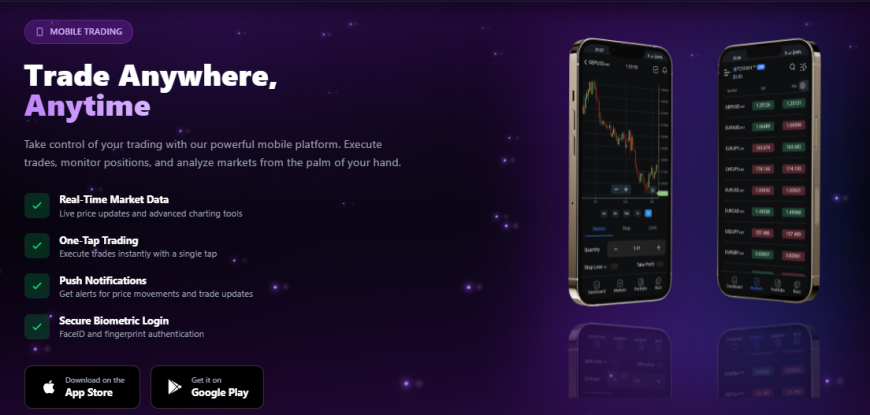
Run MagnoFx through that list. It doesn't claim FCA or ASIC regulation, it's transparent about being an offshore entity. No manufactured credentials. Its fee structure by account type is defined and visible within the platform itself. And as of now, there is no documented pattern of systematic withdrawal obstruction associated with MagnoFx, which is the single most damning evidence trail any fraudulent broker inevitably leaves behind.
None of that makes it risk-free. It makes it something more specific: an offshore broker that appears to operate as advertised. That's a narrower claim, but it's an honest one.
Why the "Offshore" Label Keeps Fooling People
Here's what tier-one regulation actually gives you: a compensation fund if the broker becomes insolvent, a financial ombudsman to escalate disputes to, and leverage caps, in Europe, that cap sits at 1:30 for retail traders. What it doesn't give you is a guarantee that the broker is better at execution, more honest about spreads, or faster with withdrawals.
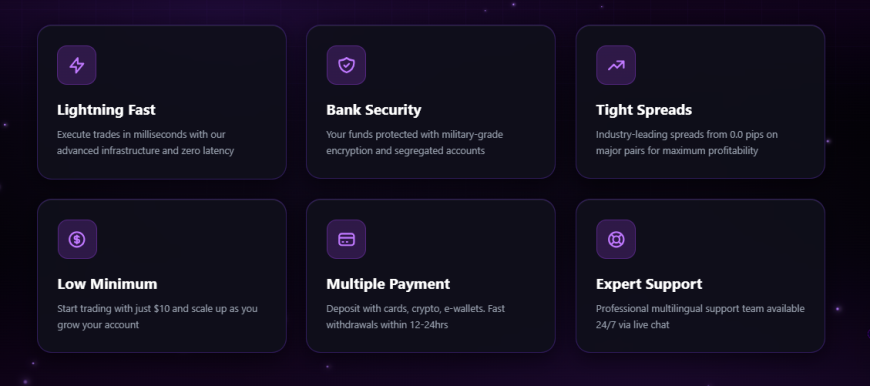
MagnoFx offers leverage up to 1:500. For a scalper or a day trader running a tight strategy, that's not recklessness, that's the entire reason they're looking at offshore brokers in the first place. The regulated world capped leverage to protect retail traders from themselves. That's a legitimate policy goal. It's also one that a significant portion of experienced traders find deeply patronizing.
MagnoFx's RAW account, minimum $200, offers spreads from 0.0 pips with separate commissions. That's a structure built for traders who run quantitative strategies and need costs to be predictable down to the decimal. The Standard account entry sits at $15. Fifteen dollars. A scam operation doesn't build a $15 entry point, that's not how you extract meaningful money from traders. That's how you let someone test your platform without financial exposure.
The Crypto Payment Model, Threat or Feature?
This is where most skeptics plant their flag, and it's a fair place to push back. Crypto-only payments mean no chargebacks. No card disputes. No payment processor sitting between you and the broker ready to reverse a transaction if something goes sideways. Once funds are sent, they're gone until the broker sends them back.
That's a real risk, and it deserves to be stated plainly rather than buried in footnotes.
It's also the funding model used by a growing number of offshore brokers that operate cleanly, because crypto removes cross-border banking friction that genuinely blocks traders in certain regions from accessing financial markets at all. The feature that makes it risky for one trader is the feature that makes it accessible for another. Context matters.
The practical response to this isn't to avoid MagnoFx on principle. It's to complete identity verification before depositing a single dollar, start with an amount small enough that losing it completely would sting but not hurt, and run a withdrawal before scaling anything. That sequence turns speculation into actual data.
The Feature Skeptics Should Actually Be Asking About
Most of the skepticism around MagnoFx focuses on what it lacks, tier-one regulation, traditional payment methods, a long public track record. Fair. But there's a feature in its account structure that deserves more scrutiny than it gets, and it's one that could genuinely hurt an inexperienced trader.
The 0% stop-out level means positions aren't automatically liquidated at a margin threshold the way most brokers handle it. Your account runs until equity hits zero. For a seasoned trader managing positions actively, that flexibility has legitimate uses during volatile conditions. For someone newer to leverage who doesn't fully understand margin mechanics, it's a feature that can silently wipe out an account while they're not paying attention.
That's not a scam. That's a feature with sharp edges, and the distinction matters, because conflating the two is exactly how traders end up blaming brokers for losses that risk management would have prevented.
So Who Is MagnoFx Actually For?
Not beginners. Not traders who need a regulatory safety net because their strategy depends on it. Not anyone planning to deposit a significant sum on the first interaction with a broker they've never used before.
It's for traders who've outgrown the restrictions of regulated environments, who understand what leverage of 1:500 actually means in practice, and who approach a new offshore broker the way any rational person approaches any uninsured financial relationship, cautiously, incrementally, and with eyes open.
The offshore brokerage world isn't going anywhere. Traders will keep using it because the regulated alternative genuinely doesn't serve every trading style. The question was never whether offshore brokers are inherently dangerous. The question is always which ones are worth the risk, and on current evidence, MagnoFx is making a case for itself.
The Verdict
MagnoFx is not a rip off. It's also not a regulated broker with institutional oversight protecting your deposits. It sits exactly where it says it sits, in the offshore space, with the freedoms and the risks that come with that territory.
The traders who get burned in environments like this aren't usually victims of fraud. They're victims of depositing more than they could afford to lose, skipping the withdrawal test, and treating a new broker like an established one before it had earned that trust.
Start small. Verify everything. Let the withdrawal tell you what the marketing never will.