Why Choose Legrand Earth Clamp Polyamide for Earthing?
 jackzkr317
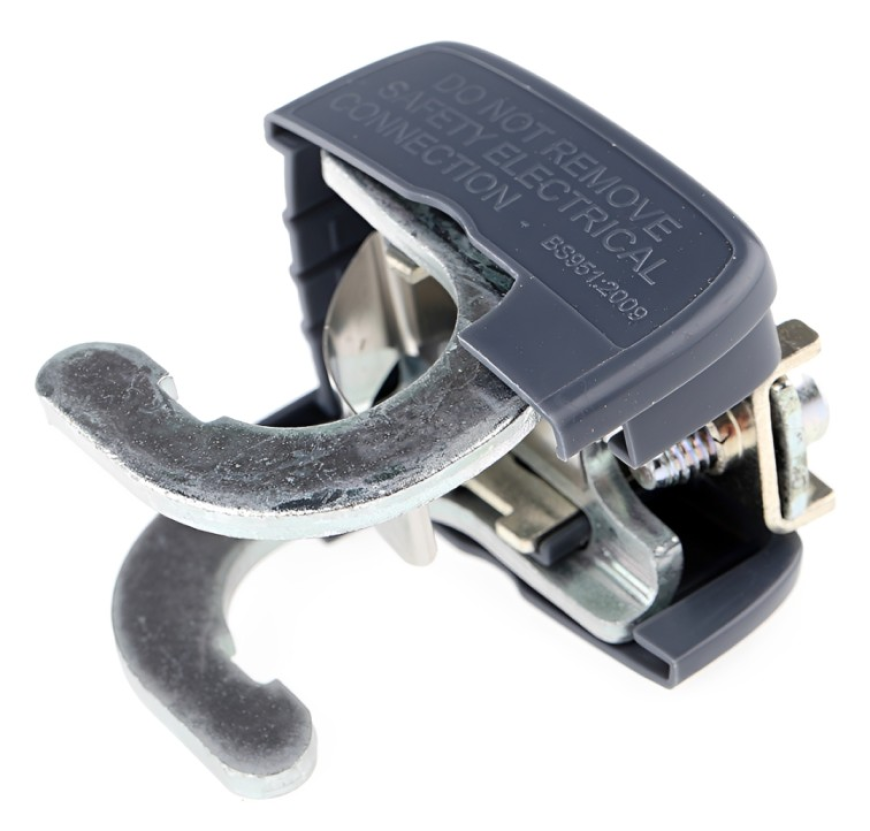
Legrand Earth Clamp Polyamide for Reliable Earthing
What is an earth clamp and what does it do?
An earth clamp is a mechanical connector that bonds an earthing conductor to an earth rod, earth bar, or other grounding point. Its job is simple, but critical. It must hold tight, resist corrosion, and maintain low resistance contact so fault current can flow safely to ground.
In real installations, this supports protection devices and grounding design. That includes distribution boards, industrial panels, and control circuits where contactors, switches, and fuses rely on proper earthing to operate safely during faults.
Why polyamide matters in earth clamp design
Polyamide is an engineered polymer used where strength, durability, and insulation properties are valuable. With a Legrand Earth Clamp Polyamide, the polyamide body can help reduce weight, improve handling, and offer strong resistance to environmental stress in many applications.
It also supports consistent performance in busy electrical environments where dust, moisture, and vibration are common. For installers working in tight spaces, a tough polymer body can make the clamp easier to position and secure without compromising grip strength.
Key benefits of Legrand Earth Clamp Polyamide
A good earth clamp should be dependable in day to day service, not only during inspections. This is where a quality polyamide based clamp can add value.
Strong grip for stable bonding
A clamp is only as good as its holding power. Strong grips help the earthing conductor stay firmly bonded over time, especially where cables may shift slightly due to vibration or routine maintenance. A stable connection reduces the chance of loose bonding points that can cause heating, higher resistance, or unreliable grounding.
Corrosion resistance and longer service life
Earthing points often sit in harsh locations, such as outdoor cabinets, plant rooms, or near moisture. Corrosion can weaken connections and increase resistance. A well designed clamp, combined with correct installation, helps maintain reliable contact and durability in real conditions.
Faster installation with common tools
Time matters on site. Earth clamps that are easy to open, position, and tighten help installers work efficiently. With the right tools, you can achieve a secure bond without overcomplicating the job.
-
Spanners or sockets for tightening hardware
-
Wire cleaning tools for conductor preparation
-
Basic safety tools such as gloves and eye protection
Where Legrand Earth Clamp Polyamide fits best
This product type is commonly chosen for both new installations and upgrades, especially when you need dependable bonding on earthing systems.
Domestic and commercial grounding
In residential and commercial settings, proper earthing supports safe operation of protective devices and reduces shock risk. This includes consumer units, lighting circuits with LEDs, and general power circuits supplying devices such as laptops and office electronics.
Industrial panels and automation
In industrial systems, earthing integrity is essential for control cabinets and automation panels. Many panels include sensors, controllers, microcontrollers, and microprocessors that require stable reference and protection. Earthing also supports safer operation around high power switching where contactors and protective fuses must respond correctly during abnormal conditions.
Mixed electrical and electronic environments
Modern facilities often combine power distribution with sensitive electronics. You might see connectors and cable routes running beside control wiring. When earthing and bonding are correct, it helps reduce electrical noise issues and improves overall safety.
Installation best practices for a secure earth connection
Correct installation is just as important as product selection. The goal is clean contact, correct torque, and long term stability.
Prepare the conductor and contact point
A reliable bond starts with good surfaces.
-
Ensure the conductor is the correct size for the clamp
-
Clean the conductor where it will be clamped, removing oxidation
-
Clean the earth rod or bonding bar contact area
-
Avoid contamination from oils, grease, or site residue
Tighten correctly and check stability
Overtightening can damage components, while undertightening can lead to loose connections. Use the correct tool and tighten firmly according to the manufacturer’s guidance.
-
Position the clamp so it sits squarely on the rod or bar
-
Insert the conductor fully into the clamping area
-
Tighten evenly and confirm the conductor cannot twist or pull free
-
Recheck after a short period if the installation is exposed to vibration
Consider environment and routing
Installation quality includes cable routing and protection, not only the clamp itself.
-
Keep cables supported so the clamp is not taking mechanical strain
-
Protect exposed runs where abrasion or impact is possible
-
In high temperature areas, consider thermal exposure from nearby equipment
-
Maintain separation where possible between power and sensitive signal wiring
In some cabinets, thermal management also matters. While thermal pads are typically used for electronics cooling, overall heat control in enclosures helps protect terminals, connectors, and bonding points from long term stress.
How earthing supports protection and system reliability
Earthing is not just about meeting regulations. It directly impacts how electrical protection behaves.
When a fault occurs, current must flow quickly to ground so protective devices can disconnect the circuit. If bonding is weak, resistance rises and fault current may be reduced. That can delay tripping or create unsafe touch voltages.
Good earthing also supports reliability in systems that include:
-
Controllers and automation modules
-
Sensors connected to monitoring circuits
-
Power circuits with contactors and switching devices
-
Electronics containing capacitor networks and filtering components
In practical terms, a solid earth connection helps keep both power distribution and sensitive electronics operating more predictably.
Choosing the right earth clamp for your application
Selecting an earth clamp is easier when you match it to your installation needs.
Check conductor and rod compatibility
Always confirm conductor size, earth rod diameter, and the clamp’s intended range. A clamp that is too small or too large can create uneven pressure and weak contact.
Consider location and exposure
Outdoor environments, damp plant rooms, and industrial sites can be tougher on connections. Choose components suited to the conditions and use appropriate protective measures where required.
Prioritise safety and inspection readiness
Earthing is often checked during commissioning and periodic inspection. A well installed clamp with good access for inspection supports ongoing compliance and safer maintenance work.
Final Thoughts
Legrand Earth Clamp Polyamide is a practical choice when you need a strong, stable earthing connection that supports long term safety. With correct sizing, clean contact surfaces, and proper tightening, it can help deliver reliable bonding for rods and cables across domestic, commercial, and industrial systems while supporting the performance of modern electrical and electronics installations.