How Much Weight Can You Lose After Gastric Bypass?
Losing weight can feel like an uphill battle for people living with obesity, especially when diet plans, exercise programs, and medications fail to deliver lasting results. Bariatric surgery has become one of the most effective long-term treatments for severe obesity, and gastric bypass is among the most widely performed procedures worldwide.
 slimethetics10
Losing weight can feel like an uphill battle for people living with obesity, especially when diet plans, exercise programs, and medications fail to deliver lasting results. Bariatric surgery has become one of the most effective long-term treatments for severe obesity, and gastric bypass is among the most widely performed procedures worldwide. If you're considering gastric bypass in Islamabad, understanding the expected weight loss, recovery process, benefits, and long-term lifestyle changes can help you make an informed decision.
- Learn how gastric bypass promotes sustainable weight loss.
- Understand the typical weight loss timeline after surgery.
- Discover who qualifies for the procedure.
- Explore recovery, diet, risks, and long-term success.
- Find out why choosing an experienced bariatric team is essential.
What Is Gastric Bypass Surgery?
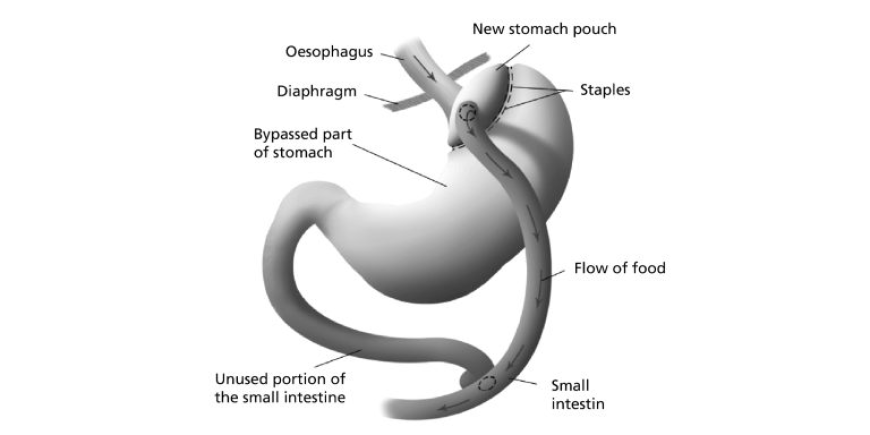
Gastric bypass, also known as Roux-en-Y Gastric Bypass (RYGB), is a bariatric procedure designed to help individuals with obesity achieve significant and sustainable weight loss. During the operation, the surgeon creates a small stomach pouch and connects it directly to a section of the small intestine. This reduces the amount of food you can eat and limits calorie absorption.
The procedure works through two mechanisms:
- Restricting the amount of food the stomach can hold.
- Reducing calorie and nutrient absorption.
- Influencing hormones that regulate hunger and blood sugar.
- Promoting earlier feelings of fullness.
- Supporting long-term weight management.
How Much Weight Can You Lose After Gastric Bypass?
Weight loss after gastric bypass varies depending on age, metabolism, medical conditions, and commitment to lifestyle changes. However, most patients experience dramatic improvements during the first year.
Typical expectations include:
- 20–30% of excess weight loss within the first three months.
- Approximately 50–60% excess weight loss by six months.
- Around 60–80% excess weight loss within 12–18 months.
- Continued weight stabilization over the following years.
- Better long-term results when healthy eating and regular exercise are maintained.
Rather than focusing solely on the number on the scale, many patients notice improvements in mobility, energy levels, confidence, and overall quality of life.
Why Gastric Bypass Leads to Significant Weight Loss
Unlike traditional dieting, gastric bypass changes the digestive system in ways that naturally support weight loss.
Smaller Stomach Capacity
The new stomach pouch holds only a small amount of food.
- Smaller meals satisfy hunger.
- Portion sizes reduce naturally.
- Overeating becomes difficult.
- Calorie intake decreases significantly.
Reduced Calorie Absorption
Food bypasses part of the small intestine.
- Fewer calories are absorbed.
- Weight loss becomes more efficient.
- Improved metabolic response.
- Better long-term results compared to dieting alone.
Hormonal Changes
The surgery affects hormones involved in hunger and metabolism.
- Appetite decreases.
- Cravings become less frequent.
- Blood sugar control improves.
- Satiety lasts longer after meals.
Who Is a Good Candidate for Gastric Bypass?
Gastric bypass is generally recommended for individuals with obesity-related health risks who have not achieved lasting results through non-surgical methods.
Common eligibility includes:
- BMI of 40 or higher.
- BMI of 35 or higher with conditions such as diabetes or hypertension.
- Previous unsuccessful weight loss attempts.
- Commitment to lifelong dietary changes.
- Psychological readiness for surgery.
A detailed medical evaluation helps determine whether gastric bypass is the most appropriate option.
Weight Loss Timeline After Surgery
First Month
Patients usually experience rapid initial weight loss.
- Liquid and soft food diet.
- Healing of the digestive system.
- Reduced appetite.
- Improved mobility.
Three Months
Weight loss becomes more noticeable.
- Increased physical activity.
- Transition to regular healthy meals.
- Better blood sugar control.
- Improved confidence.
Six Months
Most individuals have lost a significant portion of excess weight.
- Easier daily movement.
- Better cardiovascular health.
- Reduced joint pain.
- Increased endurance.
Twelve to Eighteen Months
This period typically represents maximum weight loss.
- Stable eating habits.
- Significant improvement in obesity-related diseases.
- Better physical fitness.
- Long-term weight maintenance begins.
Health Benefits Beyond Weight Loss
Gastric bypass provides benefits that extend well beyond appearance.
Many patients experience improvements in:
- Type 2 diabetes.
- High blood pressure.
- Sleep apnea.
- High cholesterol.
- Fatty liver disease.
- Joint pain.
- Fertility.
- Overall quality of life.
These improvements often reduce dependence on medications and lower the risk of serious long-term health complications.
Preparing for Gastric Bypass Surgery
Preparation plays a major role in successful outcomes.
Patients are typically advised to:
- Undergo comprehensive medical assessments.
- Meet with a bariatric dietitian.
- Complete laboratory investigations.
- Stop smoking before surgery.
- Begin a pre-operative diet.
- Learn about post-operative nutrition.
- Prepare mentally for lifestyle changes.
A multidisciplinary team ensures patients are physically and emotionally ready.
Recovery After Gastric Bypass
Recovery is gradual, with most patients returning to normal daily activities within a few weeks.
Recovery generally involves:
- Walking soon after surgery.
- Staying hydrated.
- Following staged dietary progression.
- Avoiding heavy lifting initially.
- Attending follow-up appointments.
- Monitoring vitamin levels regularly.
Following medical advice helps reduce complications and supports long-term success.
Diet After Gastric Bypass
Nutrition becomes one of the most important factors after surgery.
Phase 1: Clear Liquids
- Water.
- Sugar-free beverages.
- Clear broth.
- Hydration focus.
Phase 2: Full Liquids
- Protein shakes.
- Low-fat yogurt.
- Pureed soups.
- Smooth nutritional intake.
Phase 3: Soft Foods
- Scrambled eggs.
- Cottage cheese.
- Soft vegetables.
- Tender lean meats.
Phase 4: Long-Term Healthy Diet
Patients gradually return to regular foods while maintaining healthy habits.
Focus on:
- High-protein meals.
- Fresh vegetables.
- Fruits.
- Whole grains.
- Healthy fats.
- Adequate hydration.
Exercise After Surgery
Physical activity enhances weight loss and helps preserve muscle mass.
Recommended activities include:
- Walking.
- Light stretching.
- Swimming after recovery.
- Cycling.
- Strength training under supervision.
Consistency is more important than intensity.
Possible Risks and Complications
Like any major surgery, gastric bypass carries certain risks, although serious complications are uncommon when performed by experienced surgeons.
Potential complications include:
- Bleeding.
- Infection.
- Blood clots.
- Nutritional deficiencies.
- Dumping syndrome.
- Ulcers.
- Bowel obstruction.
- Internal hernia.
Regular follow-up appointments significantly reduce long-term risks.
Tips for Long-Term Success
Successful patients usually adopt healthy lifelong habits.
Key recommendations include:
- Eat slowly.
- Prioritize protein.
- Drink enough water.
- Take prescribed vitamins.
- Exercise regularly.
- Attend follow-up visits.
- Avoid sugary foods.
- Avoid smoking.
- Limit alcohol intake.
- Maintain realistic expectations.
Weight loss surgery is a powerful tool, but lasting success depends on commitment and consistency.
Frequently Asked Questions
Is gastric bypass permanent?
Yes. Gastric bypass permanently changes the digestive system, although revision surgery may be possible in selected cases.
Is the surgery painful?
Most patients experience manageable discomfort that improves significantly during the first few weeks.
How long is the hospital stay?
Many patients remain in the hospital for one to three days, depending on their recovery.
Will I need vitamin supplements?
Yes. Lifelong vitamin and mineral supplementation is essential to prevent nutritional deficiencies.
Can diabetes improve after surgery?
Many individuals experience significant improvement or remission of Type 2 diabetes following gastric bypass.
Choosing the Right Bariatric Surgeon
Selecting an experienced bariatric surgeon is one of the most important decisions you'll make.
Look for:
- Specialized bariatric training.
- Extensive surgical experience.
- Modern laparoscopic techniques.
- Comprehensive pre-operative evaluation.
- Dedicated nutrition support.
- Long-term follow-up care.
- Multidisciplinary patient management.
- High standards of patient safety.
An experienced team can greatly improve both safety and long-term outcomes.
Final Thoughts
Gastric bypass remains one of the most effective treatments for severe obesity and obesity-related medical conditions. While individual results vary, most patients achieve substantial and sustainable weight loss when surgery is combined with healthy eating, regular exercise, and lifelong medical follow-up. If you're exploring options for gastric bypass in Islamabad, choosing a trusted bariatric center with experienced surgeons and comprehensive aftercare can make a significant difference in your journey toward better health.
At Slimthetics Clinic, our experienced bariatric specialists provide personalized assessments, advanced laparoscopic surgical care, nutritional counseling, and dedicated long-term follow-up to help patients achieve safe and lasting weight loss. Whether you're just beginning to explore bariatric surgery or are ready to take the next step, our team is committed to guiding you with compassionate, evidence-based care tailored to your individual goals.