Who Are Tiny House Experts and Do You Really Need One
 metaminds
Why People Keep Looking for Tiny House Guidance First
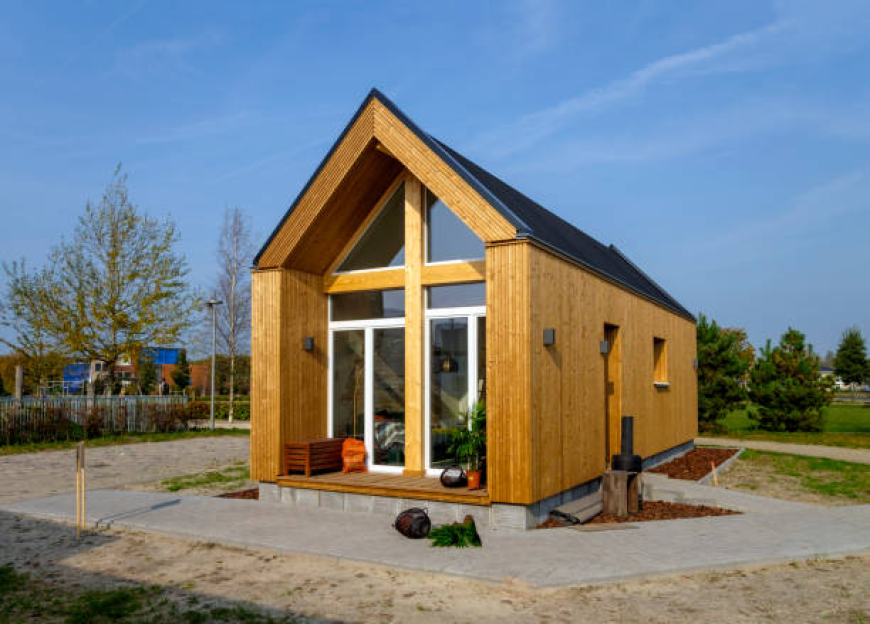
Most people don’t start here with confidence. They start confused. Too many options, too many opinions, and honestly, too much bad advice floating around. Somewhere in that mess, the phrase tiny house experts starts showing up. Not at the beginning, but once you realize this isn’t just about building something small. It’s about doing it right. Because tiny homes look simple from the outside. They’re not. There’s structure, weight balance, insulation issues, legal stuff, things you don’t even think about until you’re halfway in. That’s where guidance matters. Not fancy talk, just real experience. People who’ve already made the mistakes you’re about to make. That’s the value. Not perfection. Just knowing what actually works and what ends up wasting time and money.
What Makes Someone an Expert in Tiny Living Anyway
The word “expert” gets thrown around a lot. Sometimes too loosely. Just because someone built one tiny house doesn’t make them an authority. Real experience shows up differently. It’s in the small decisions. Knowing why a layout fails after six months. Understanding airflow problems. Fixing weight distribution before it becomes dangerous. That kind of stuff. A true expert has seen builds go wrong and knows how to prevent it next time. They don’t just talk about aesthetics. They talk about function. Long-term comfort. What holds up and what breaks down. It’s not always glamorous advice either. Sometimes it’s blunt. Like telling you your idea won’t work the way you think it will. That’s actually useful. Way more than someone just agreeing with everything you say.
Why Going Solo Sounds Good but Gets Complicated Fast
A lot of people want to do everything themselves. And yeah, that’s part of the appeal. Building your own space, making your own choices. Feels good. Until things get complicated. Because they will. Electrical systems, plumbing, structural loads… it adds up quickly. You start second-guessing decisions. Or worse, you don’t realize something is wrong until later. That’s the risky part. It’s not about capability. It’s about missing information. Tiny homes don’t leave much room for error. A small mistake in a big house might go unnoticed. In a tiny space, you feel it every day. That’s where outside input helps. Not to take over, but to guide. To catch things early before they turn into expensive fixes.
Design Isn’t Just Looks—It’s Daily Function
This part gets overlooked a lot. People focus on how the space looks. Clean lines, nice finishes, cool loft setups. But design isn’t just visual. It’s how you move through the space. Where things go. How often you bump into something because it’s slightly off. Bad design shows up in daily annoyances. Good design feels natural. You don’t think about it much. It just works. Tiny house experts usually emphasize this early. Because once the structure is set, fixing design issues gets harder. And more expensive. You want flow. You want light in the right places. Storage that actually makes sense. Not just hidden boxes you forget about. It’s small space thinking. Different mindset.
The Role of The Tiny House Experts in Real Builds
There’s a reason people keep referring to the tiny house experts when things get serious. It’s not about hiring someone to do everything. It’s about having someone who understands the process from start to finish. Someone who knows where people usually get stuck. They help with planning, layout decisions, material choices, even legal considerations sometimes. It’s not one fixed role. It shifts depending on what you need. Some people bring them in early. Others wait until something goes wrong, which… isn’t ideal. The earlier you get proper input, the smoother things tend to go. Not perfect. Just fewer surprises.
Legal and Insurance Stuff—Where It Gets Messy
This is the part most people don’t want to deal with. But you have to. Tiny homes fall into weird categories legally. Not always a house. Not always an RV. Somewhere in between sometimes. That creates confusion with permits, zoning, all of it. Then insurance comes in. Home insurance providers don’t always know how to classify tiny homes. So coverage can be limited or more expensive. And if your location has risks, like flooding, getting reasonable flood insurance quotes can be frustrating. Not impossible, just… harder than expected. This is where having experienced input helps again. Not because they control the system, but because they’ve dealt with it before. They know what to expect.
Budget Reality—Where People Usually Miscalculate
People underestimate costs. Not always the big ones, but the small additions that stack up. Better materials, unexpected fixes, upgrades you didn’t plan for. It creeps in. Suddenly the budget isn’t what you thought. Tiny house experts tend to be more realistic here. Maybe even a bit blunt about it. They’ve seen budgets fall apart. They know where people overspend and where cutting corners causes problems later. It’s not about making it expensive. It’s about making it workable. Sustainable. Because running out of money halfway through a build… that’s worse than starting slow and steady.
Why Experience Shows More in Problems Than in Plans
Plans always look good. On paper, everything works. It’s when things go wrong that experience really shows. A misaligned frame, moisture issues, electrical faults—this is where knowledge matters. Not theory. Real-world fixes. Tiny homes don’t forgive mistakes easily. There’s no extra space to hide them. That’s why people who’ve been through multiple builds tend to think differently. They anticipate issues before they happen. Not always, but more often. That’s what separates casual builders from people who actually know the process deeply.
Is Hiring Help Always Necessary or Just Smart Sometimes
Not everyone needs full guidance. Some people figure it out as they go. Takes longer, but they get there. Others prefer a bit of direction early on. Saves time. Reduces stress. There’s no single right approach. But ignoring experienced advice completely? That’s usually where problems start. Even a small consultation can change the direction of a build. Catch something early. Adjust a plan. Avoid a mistake that would’ve cost weeks later. That’s the value. Not control, just clarity.
Final Thoughts—Do You Really Need Tiny House Experts
So yeah, do you actually need them? Not always. But they help. A lot more than people expect. Especially if you’re new to this. The idea of building a tiny home sounds simple until you’re deep in it. That’s when questions show up. And having access to the tiny house experts makes those questions easier to handle. You don’t have to follow every piece of advice. But having it there matters. It keeps things moving. Keeps mistakes smaller. And honestly, makes the whole process feel less overwhelming. It’s still work. Still effort. Just… a bit more controlled.