When Should You Use Barrier Blocks in Electrical Systems?
Discover what Barrier Blocks are, how they improve electrical connections, and why they are widely used for safe, organised wiring in industrial systems.
 joddie25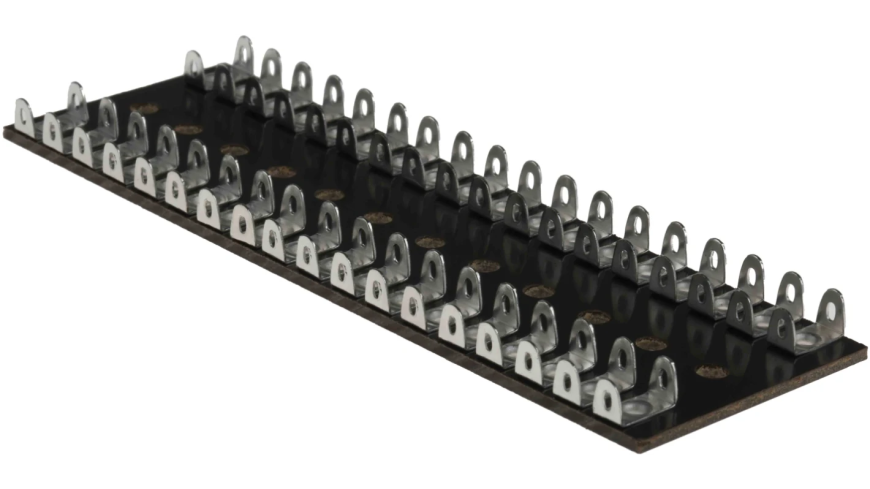
Introduction
Barrier Blocks are an important part of many electrical installations where wire termination must be safe, clear, and easy to manage. In systems with multiple conductors, the quality of each connection affects reliability, maintenance speed, and overall safety. A well-planned terminal arrangement can make a major difference, especially in environments where equipment runs continuously and downtime must be kept low.
Many electrical assemblies include power lines, control circuits, and signal wiring within the same enclosure. Without a proper connection method, wiring can become crowded and difficult to trace. Barrier Blocks help solve this problem by giving each conductor a dedicated terminal point separated by insulating walls. This simple but effective design supports better circuit organisation and reduces the risk of accidental contact between adjacent connections.
Because they are practical and dependable, Barrier Blocks continue to be used in industrial panels, commercial systems, transport equipment, and serviceable electrical assemblies. Their value lies not only in holding wires securely, but also in helping professionals build cleaner and more maintainable installations.
What Makes Barrier Blocks Different?
Barrier Blocks are terminal connectors built to organise and secure multiple wire connections in one structured strip. The most distinctive feature is the divider between each terminal. That divider creates physical separation, helping keep circuits clearly defined and easier to work with during installation or repair.
Unlike loose joining methods that can make wiring harder to follow, Barrier Blocks provide a fixed arrangement that improves visibility. Each conductor is placed in a known position, which supports better identification and reduces confusion during future servicing. In applications where technicians may need to inspect connections regularly, this layout is especially useful.
Their construction usually combines an insulating base with conductive terminal hardware designed for firm wire attachment. This combination allows Barrier Blocks to support both electrical performance and mechanical stability.
When Barrier Blocks Are the Right Choice
Barrier Blocks are especially useful when an installation needs more than a simple wire connection. They are often selected when clear terminal separation, repeated service access, or structured wiring is required.
In Multi Circuit Panels
Panels that contain several circuits can quickly become hard to manage if wires are not arranged properly. Barrier Blocks help keep conductors grouped and separated, making the layout more logical and easier to understand.
In Equipment That Needs Regular Maintenance
Some systems require frequent checks, replacements, or upgrades. In those cases, Barrier Blocks provide accessible terminals that make maintenance faster and more controlled.
In Environments Where Reliability Matters
Machinery, controls, and power systems often rely on stable electrical terminations. Barrier Blocks help maintain connection integrity and support dependable operation over time.
In Installations Requiring Neat Wire Routing
A tidy electrical assembly is easier to test and easier to expand. Barrier Blocks support organised routing by giving wires a planned connection path.
Main Advantages of Barrier Blocks
Barrier Blocks remain popular because they offer practical benefits that directly improve installation quality and serviceability.
Better Connection Clarity
Every wire has a defined place, which makes the electrical layout easier to read. This helps technicians trace circuits more quickly and reduce mistakes during repairs.
Improved Safety Through Separation
The barriers between terminals help reduce the chance of neighbouring conductors touching unintentionally. This is particularly useful in compact assemblies where circuits sit close together.
Strong and Stable Termination
Barrier Blocks are designed to hold wires securely. A firm termination supports better long-term performance and helps reduce issues linked to loose or unstable connections.
Easier Inspection and Testing
Because the terminals remain visible, technicians can inspect, test, and tighten connections without having to disturb large sections of wiring.
Support for Future Modifications
If a system needs expansion or rewiring later, Barrier Blocks make that process easier. Their structured layout supports changes without creating unnecessary disorder.
Typical Applications of Barrier Blocks
Barrier Blocks are used across a wide range of industries because their design suits many different electrical needs.
Industrial Control Systems
Control systems often include relays, switches, contactors, sensors, and controllers. Barrier Blocks help connect these devices in a way that remains clear and serviceable.
Power Equipment
In power-related assemblies, clean terminal separation is important. Barrier Blocks can be used to manage feed lines and branch circuits with better organisation.
HVAC and Building Services
Heating, ventilation, and facility control systems often depend on accessible electrical connections. Barrier Blocks help simplify servicing in these environments.
Transport and Auxiliary Systems
Certain transport-related applications use Barrier Blocks where dependable, clearly separated wiring points are required for supporting circuits.
Test Panels and Service Units
Any setup that benefits from visible terminals and simple wire identification can gain value from using Barrier Blocks.
How Barrier Blocks Help During Maintenance
One of the biggest strengths of Barrier Blocks is the way they support maintenance work. Electrical faults are easier to locate when wires are arranged in a clear, orderly format. Instead of untangling grouped conductors or guessing where a circuit begins and ends, technicians can examine each terminal point with more confidence.
This saves time during inspections and reduces disruption during repairs. In busy operational environments, that advantage can be significant. A system that is easier to service is usually more efficient over its full working life. Barrier Blocks contribute to that efficiency by improving access and making each connection easier to understand.
They also help when a technician must replace a single wire or update a portion of the system. Since the terminals are individually defined, targeted work becomes more manageable.
Factors to Consider Before Choosing Barrier Blocks
Selecting the right Barrier Blocks is important for performance and safety. Several details should be reviewed before installation.
Current and Voltage Capacity
The rating of the Barrier Blocks must suit the electrical load of the application. A properly rated component supports safer operation.
Terminal Quantity
The chosen strip should provide enough positions for the present wiring plan while allowing a sensible layout.
Wire Size Compatibility
Terminals must match the conductor size being used. A poor fit can affect connection quality and mechanical hold.
Material Suitability
Environmental conditions matter. Installations exposed to heat, dust, vibration, or heavy use may require stronger materials.
Mounting Arrangement
Barrier Blocks should fit the available panel or chassis space and allow convenient access after installation.
Good Practices for Installation
Correct fitting helps Barrier Blocks deliver their full value. Some useful practices include:
- Prepare wires carefully before termination
- Use the correct tool for terminal tightening
- Keep conductors routed neatly and consistently
- Mark circuits for easier future identification
- Inspect terminal tightness during scheduled maintenance
- Avoid overcrowding the surrounding wiring area
These steps support cleaner work and help maintain connection quality over time.
Conclusion
Barrier Blocks are a dependable solution for electrical systems that need safe, organised, and maintainable wire connections. Their separated terminal design improves circuit clarity, supports easier servicing, and helps create a cleaner overall layout in panels and equipment. They are especially valuable in systems where multiple conductors must be managed with precision and reliability.
When the goal is to build an installation that is both practical and easy to maintain, Barrier Blocks are often an excellent choice. Their combination of visibility, stability, and structured connection points keeps them relevant across a wide range of electrical applications.