When Is the Best Time to Visit the Maasai Mara for the Great Migration?
kenya safari
 Ketsafaris
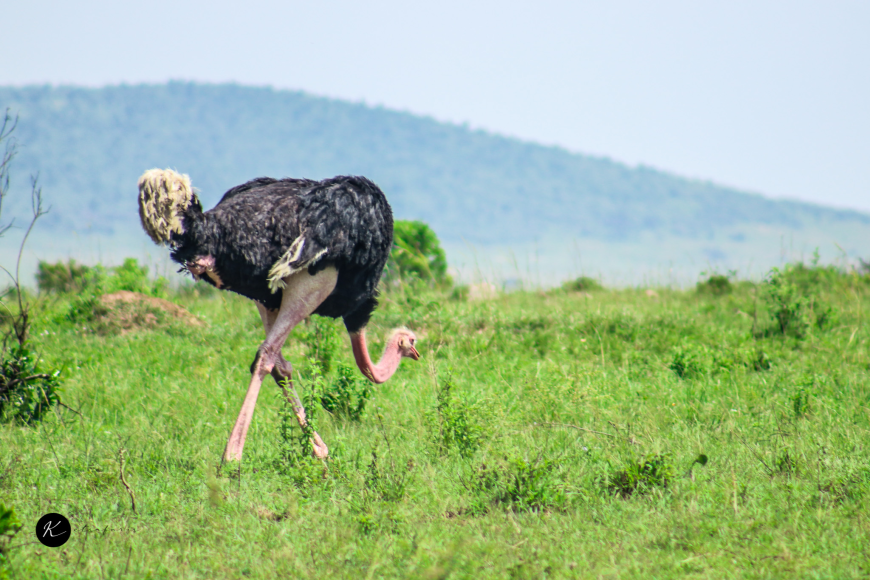
The Maasai Mara is one of the most celebrated wildlife destinations on the planet and for one very specific reason: the Great Wildebeest Migration. Every year, over 1.5 million wildebeest, accompanied by hundreds of thousands of zebras and gazelles, make an extraordinary circular journey across the Serengeti-Mara ecosystem in search of fresh grazing. For anyone planning a Maasai Mara safari, understanding the timing of this event is the single most important planning decision you will make.
This guide breaks down the migration calendar month by month, explains what to expect during each season, and helps you decide when a Kenya safari is right for your travel dates and goals.
Understanding the Great Wildebeest Migration
The Great Migration is not a single event; it is a continuous, year-round movement driven entirely by rainfall and grass growth. The herds follow a clockwise route through Tanzania's Serengeti before pushing northward into Kenya's Maasai Mara between July and October. Understanding this cycle is essential before booking any Kenya tours that include the Mara.
The Mara River Crossing
This northern leg, where the herds must cross the crocodile-infested Mara River, represents the most dramatic and widely photographed chapter of the entire migration cycle. Witnessing a river crossing where thousands of wildebeest plunge into churning water while Nile crocodiles wait below — is widely considered one of the greatest wildlife spectacles on Earth. But the Maasai Mara offers extraordinary Kenya safari experiences throughout the year, with or without the migration.
Month-by-Month Maasai Mara Safari Guide
Knowing what happens in the Mara during each month of the year allows travellers to align their visit with their specific goals, whether that is witnessing river crossings, avoiding crowds, or finding the best value. Each season brings its own distinct character, wildlife behaviour, and visitor experience. Use this guide as your foundation when planning Kenya tours around the Maasai Mara.
January to March — Calving Season in the South
During the early months of the year, the wildebeest herds are calving in Tanzania's southern Serengeti. This is not peak Mara season, but it remains an excellent time for a Maasai Mara safari. The resident wildlife lions, leopards, cheetahs, elephants, giraffes, and buffaloes is present year-round. Fewer visitors mean more exclusive game drive experiences, lower accommodation rates, and a more intimate connection with the landscape.
April to June — The Green Season
April through June brings the long rains to Kenya. The Mara transforms into a lush, vivid green landscape teeming with birdlife and newborn animals. This is the quietest period for Kenya tours, which means significant value for budget-conscious travellers. Game viewing remains rewarding, and the scenery is arguably at its most beautiful. The herds are still moving northward through Tanzania during this period, preparing for their arrival in Kenya.
July to August — The Migration Arrives
July marks the beginning of the peak migration season in the Maasai Mara. The wildebeest herds begin crossing the Sand River from Tanzania into Kenya, and the famous Mara River crossings begin in earnest. August is considered one of the very best months crossings become more frequent, predator activity intensifies dramatically, and the density of wildlife across the reserve reaches its annual peak. This is the most popular period for Kenya safari travel, so early booking is essential.
September to October — Peak River Crossings
September and October represent the absolute pinnacle of the Maasai Mara migration experience. The herds are fully established in Kenya, river crossings happen multiple times daily at the busiest points along the Mara River, and the concentration of predators lions, cheetahs, hyenas, and crocodiles is at its highest. For travellers combining their Maasai Mara safari with an Amboseli trip, this season also coincides with dry conditions in Amboseli, making elephant and big cat sightings exceptionally reliable against the iconic backdrop of Kilimanjaro.
November to December — The Herds Return South
By November, the wildebeest begin their return journey southward into Tanzania, chasing the short rains. The Maasai Mara quietens considerably, offering excellent value and uncrowded game drives. Resident wildlife remains abundant, and the green landscape returns as the rains arrive. December is a popular month for festive holiday Kenya tours, combining the Mara with coastal Mombasa for a classic bush-and-beach experience.
What to Consider When Planning Your Maasai Mara Safari
Every traveller arrives at the Maasai Mara with different expectations, budgets, and available travel dates. Making the right decision requires weighing several factors, not just the migration calendar. Here are the key considerations that experienced Kenya safari planners always address before confirming their itinerary.
Migration vs Year-Round Wildlife
It is a common misconception that the Maasai Mara is only worth visiting during migration season. In reality, the Mara holds one of the highest concentrations of resident lions, leopards, and cheetahs in Africa throughout the entire year. A Kenya safari in March or June can deliver extraordinary big cat sightings with a fraction of the crowds found during peak season.
Combining Parks for a Richer Kenya Itinerary
The Maasai Mara pairs exceptionally well with other Kenyan parks. An Amboseli trip combined with the Mara gives travellers two completely different ecosystems, the open elephant plains beneath Kilimanjaro in Amboseli and the dramatic predator-rich grasslands of the Mara. Many experienced Kenya tours operators design 6 to 9 day itineraries covering both parks, allowing travellers to experience the full range of what Kenya's wildlife has to offer. Adding Lake Nakuru creates a well-rounded Kenya safari package covering wetland, highland, and savannah environments in a single trip.
Book Early for Peak Season
For July to October travel, accommodation in and around the Maasai Mara books out six to twelve months in advance. The best lodges and tented camps along the Mara River fill up earliest. Securing your dates early not only guarantees availability but often unlocks better pricing through early booking rates.
Plan Your Maasai Mara Safari With Ketsafaris
Whether you are targeting the river crossings in September or seeking a quieter bush experience in the green season, the Maasai Mara delivers on every level. The right time to visit depends entirely on what you want from the experience and a knowledgeable operator will help you find the perfect match between your travel dates and your wildlife ambitions.
Why Choose Ketsafaris for Your Kenya Safari
Ketsafaris offers fully tailored Kenya safari packages covering the Maasai Mara, Amboseli, Tsavo, and beyond. Every itinerary is built around current wildlife conditions, your travel dates, and the experience you are looking for with private 4×4 game drives, expert multilingual guides, all meals, park fees, accommodation, and transfers fully included. From a focused 3-day Maasai Mara safari to a comprehensive multi-park Kenya tours expedition, every package is designed around what the wildlife is actually doing when you arrive.