When a Chip Brush Is the Best Choice for Painting
 metaminds
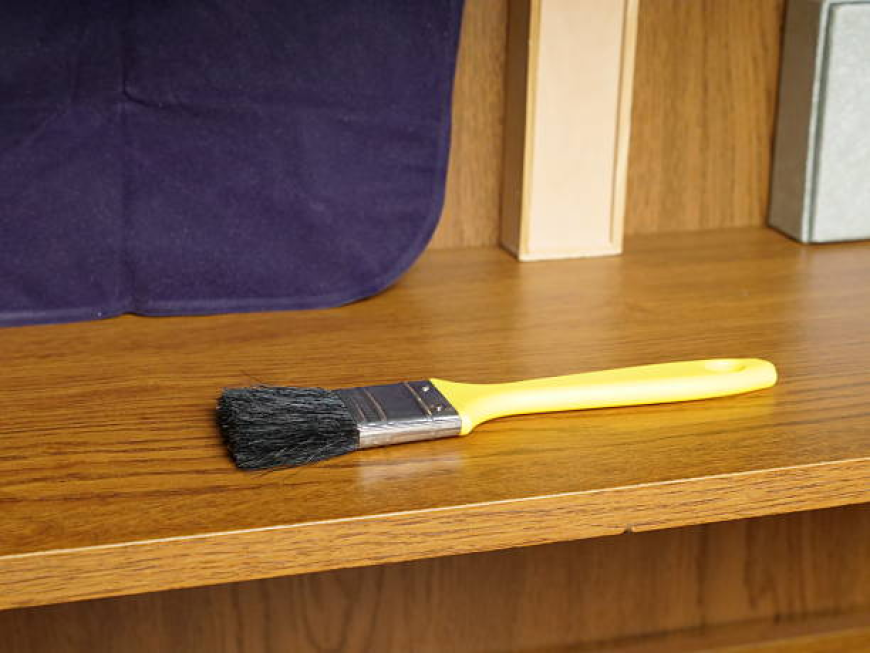
Painting isn’t always about fancy tools or perfect finishes. Sometimes it’s about getting the job done fast, clean enough, and without wasting time or money. That’s where things get practical. A chip brush for painting comes into play more often than people think, especially on jobs where precision isn’t the main goal. These brushes aren’t glamorous. They shed sometimes, feel rough in your hand, and honestly, they’re not built to last. But in the right situation, they’re exactly what you want. No overthinking, no babying your tools, just dip and go.
What a Chip Brush Actually Is (And Isn’t)
A chip brush is basically the no-frills version of a paintbrush. Cheap wood handle, natural or synthetic bristles, usually a little uneven if you really look at it. It’s not meant for fine wall painting or detailed trim work. You won’t get crisp edges or a smooth, showroom finish. And that’s kind of the point. These brushes are built for utility, not perfection. You use them when the surface doesn’t demand perfection, or when the material you’re applying would ruin a better brush anyway.
Best Situations Where Chip Brushes Make Sense
There are jobs where using an expensive brush just feels wrong. Think rough surfaces, industrial coatings, or anything sticky and unforgiving. Applying epoxy, resin, glue, or oil-based stains? Yeah, chip brush all day. Same with quick touch-ups on metal, fences, or concrete. You’re not chasing beauty there. You’re covering ground. Also good for cutting into tight spots where you don’t care if the brush survives the job. Sometimes you just need something disposable, and that’s exactly what this is.
Why Pros Still Keep Them Around
Even experienced painters—guys who own high-end brushes—still keep a box of chip brushes nearby. That tells you something. It’s not about skill level. It’s about knowing when a tool fits the job. A chip brush saves time. You don’t have to clean it, you don’t worry about ruining it, and if it starts falling apart, you toss it and grab another. There’s a kind of freedom in that. No maintenance, no stress. Just work.
Where Chip Brushes Fall Short (Let’s Be Honest)
Now, don’t get it twisted. These brushes are not for everything. Try using one on interior walls or cabinets, and you’ll regret it pretty fast. Streaks, loose bristles stuck in the paint, uneven coverage—it’s messy. They also don’t hold paint well, so you end up dipping more often. That slows things down on larger, detail-heavy jobs. So yeah, there’s a trade-off. You gain convenience, but you lose finesse.
Cost vs Value—Why Cheap Works Here
One of the biggest reasons people grab chip brushes is the cost. They’re cheap. Like, really cheap. And for certain tasks, spending more just doesn’t make sense. Why ruin a $15 brush applying harsh chemicals or thick coatings? A chip brush does the job just fine, even if it only lasts one use. That’s the idea. Use it, abuse it, toss it. No cleanup time either, which honestly saves more money than people realize.
Buying in Bulk and What to Look For
If you’re doing repeat jobs—epoxy, staining, adhesive work—you’ll go through these brushes quickly. That’s where buying in bulk starts to make sense. There are tons of paint brushes for sale out there, but not all chip brushes are equal. Some shed way too much. Others fall apart halfway through a job. Look for ones with tighter bristle hold and a slightly sturdier handle. Nothing fancy, just decent enough to last the task. It’s a small difference, but it matters when you’re halfway through a project and your brush gives up on you.
Small Tricks That Make a Big Difference
Here’s something a lot of people skip—prep. Even with a cheap brush, you can make it work better. Flick out loose bristles before dipping it in paint. Takes five seconds, saves you from picking hairs out of your finish later. Don’t overload it either. These brushes don’t hold much, so lighter dips actually give you more control. And if you’re using thick coatings, work quickly. Chip brushes aren’t built for long sessions. They stiffen up fast.
Conclusion
At the end of the day, a chip brush isn’t about quality—it’s about practicality. It fills a gap that other brushes just don’t. You wouldn’t use it for a high-end finish, but for messy, rough, or one-and-done jobs? It’s hard to beat. No cleanup, no guilt, no wasted money. Just grab one, get the work done, and move on. Sometimes that’s all you really need.