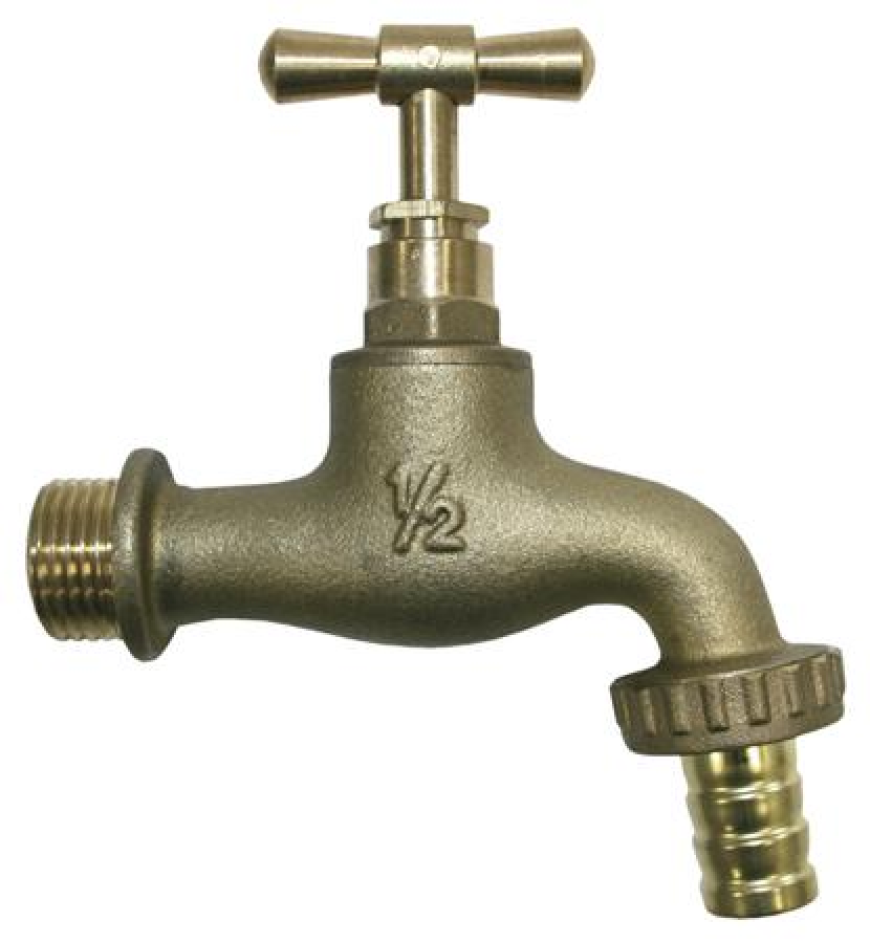
Taps are essential tools that manage fluid flow across homes, offices, commercial zones, and industrial plants. Though often overlooked, taps serve as critical junctions between water supply and usage points. Whether you're washing your hands or operating complex machinery, a tap ensures controlled, clean, and reliable fluid access. But what makes taps so essential, and how are they evolving in modern infrastructure?
How Are Taps Classified Based on Design and Function?
Taps are not one-size-fits-all. They come in various styles, mechanisms, and configurations, each suited to a particular need or environment.
Crosshead Taps
- Operated with a cross-shaped handle
- Traditional style often found in vintage bathrooms
- Offers tactile grip and precise control
Lever Taps
- Single or dual levers for ease of use
- Ideal for users with reduced mobility
- Common in kitchens and accessible washrooms
Sensor Taps
- Use infrared technology for touch-free operation
- Enhance hygiene by reducing contact points
- Widely installed in healthcare and public facilities
Wall-Mounted Taps
- Installed directly onto the wall
- Saves counter space
- Suitable for minimalist and commercial environments
Each design serves a unique purpose depending on the aesthetic, functional, and operational requirements.
Which Materials Are Commonly Used in Taps?
Material choice plays a crucial role in the tap’s durability, appearance, and resistance to wear. Common options include:
- Brass: Highly durable and corrosion-resistant, widely used in both domestic and commercial setups
- Stainless Steel: Offers a sleek, modern finish and excellent hygienic properties
- Plastic (Polypropylene or ABS): Lightweight and economical, used in temporary or low-cost installations
- Zinc Alloy: A mid-tier solution for decorative taps where exposure is limited
When selecting a material, it’s important to consider water hardness, pressure levels, and the overall usage environment.
What Role Do Taps Play in Water Conservation?
Modern taps are no longer just about delivering water. They also help save it. With increasing awareness about water scarcity, manufacturers are developing taps with conservation in mind.
- Flow regulators reduce unnecessary wastage
- Aerators mix air into the stream to reduce consumption
- Timed and sensor taps limit unintentional overuse
- Dual-flow options allow control between spray and stream modes
These built-in features support eco-conscious living while reducing utility costs.
How Do Taps Improve Hygiene and Public Health?
In areas where hygiene is critical, taps serve as the first line of defence against contamination.
- Sensor taps eliminate the need to touch handles
- Antimicrobial coatings reduce bacterial growth on surfaces
- High-pressure taps ensure thorough hand or equipment washing
- Separate outlets for filtered or treated water enhance safety
These features are increasingly vital in settings like hospitals, food-processing units, and laboratories.
How Should Taps Be Maintained for Long-Term Reliability?
Proper maintenance ensures consistent performance and reduces the risk of damage or leakage. Useful care tips include:
- Cleaning filters and aerators to prevent mineral blockages
- Inspecting seals and cartridges for signs of wear
- Avoiding harsh chemicals that corrode finishes or inner parts
- Monitoring flow rate and pressure to detect early faults
A regular maintenance routine prevents sudden failures and extends the life of the tap.
Where Do Taps Fit in Industrial Applications?
In industrial settings, taps perform tasks far more complex than simply dispensing water.
- Used to control chemicals, coolants, or lubricants in machinery
- Required in processing systems for pharmaceuticals and food production
- Installed in compressed air and gas pipelines for safety and control
- Designed with rugged materials for high-pressure or corrosive environments
These taps must comply with rigorous safety and material standards to ensure reliable operation.
What Are the Latest Technological Trends in Tap Design?
Tap designs are rapidly evolving to match the pace of smart infrastructure. Features now go far beyond traditional controls.
- Touchscreen panels or app-based flow control in smart homes
- Real-time flow monitoring to track usage patterns
- Self-cleaning mechanisms for reduced maintenance
- Energy-saving valves that operate at reduced pressure
These technological innovations cater to users seeking convenience, sustainability, and advanced functionality.
How Do You Choose the Right Tap for Your Needs?
Selecting a tap should involve more than just visual preference. Key selection factors include:
- Flow rate and pressure compatibility with the plumbing system
- Intended usage: domestic, commercial, or industrial
- Type of control required: manual, sensor, or thermostatic
- Sink, basin, or surface compatibility for installation
- Maintenance accessibility and spare part availability
By matching the tap’s features to your requirements, you can ensure better performance and fewer issues down the line.
What Are the Environmental Benefits of Eco-Friendly Taps?
As global focus shifts toward sustainability, taps are contributing in meaningful ways:
- Lower water consumption reduces strain on water resources
- Efficient taps contribute to reduced energy bills by minimising hot water usage
- Environmentally friendly manufacturing processes limit carbon impact
- Long-life components decrease replacement frequency and reduce landfill waste
These benefits make sustainable tap solutions ideal for homes, commercial buildings, and green-certified infrastructure.
Final Reflections on the Value of Taps
Taps are more than everyday tools. They enable efficiency, hygiene, and resource conservation. From homes to laboratories, their impact is far-reaching and constantly evolving.
Whether you’re upgrading a kitchen, designing a hospital wing, or managing a manufacturing plant, understanding the role, features, and types of taps can help you make smarter choices. As innovation continues to push boundaries, taps will remain indispensable fixtures in the way we live, work, and manage water.

 joddie25