What Is Sleep Apnoea and Can Your Dentist Really Help?
Struggling with sleep apnoea or snoring? A sleep apnoea dentist can help with oral appliance therapy, mandibular advancement devices, and custom snore guards — a proven CPAP alternative.
 Menddentalau

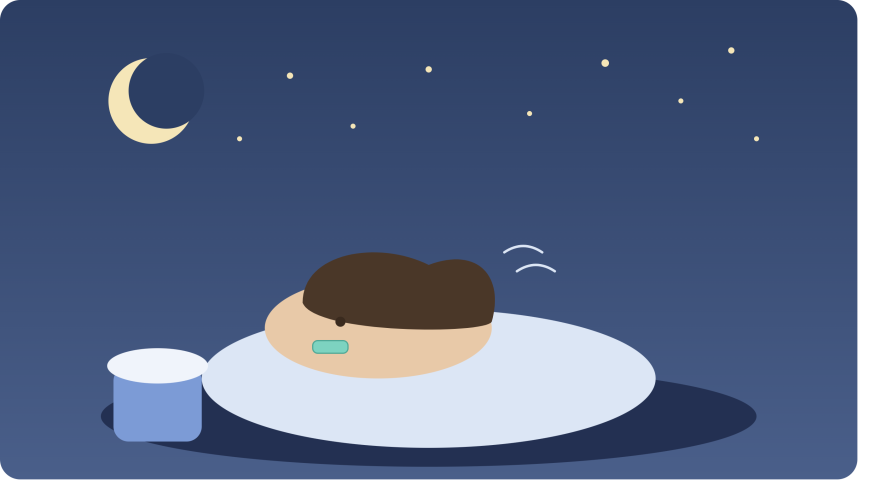
Sleep apnoea is a sleep disorder involving repeated pauses in breathing during sleep, and dentists can genuinely help treat it through custom-fitted oral appliances that keep the airway open overnight. These devices, known as mandibular advancement devices or snore guards, work by gently shifting the lower jaw forward, and they're recognised by sleep physicians as one of the two main treatment options alongside CPAP therapy. Below, we explain exactly what sleep apnoea is, why dentists are involved in treating it, and what the process of getting a dental sleep appliance looks like.
What Is Sleep Apnoea, Exactly?
Sleep apnoea is a sleep disorder characterised by repeated pauses in breathing or periods of shallow breathing during sleep, caused by the throat muscles relaxing and the airway narrowing or closing completely. Each pause reduces oxygen levels in the blood, which sends a signal to the brain to briefly wake the sleeper enough to reposition and resume normal breathing, though this micro-waking typically happens without the person ever fully realising it. Over the course of a night, these interruptions can happen dozens or even hundreds of times, which is why people with untreated sleep apnoea often wake up feeling exhausted despite spending a full night in bed.
What's the Difference Between Snoring and Sleep Apnoea?
Snoring is noisy breathing caused by the throat walls vibrating as air passes through a narrowed airway, while sleep apnoea occurs when that airway narrows so much it closes completely, stopping breathing altogether for brief periods. Not everyone who snores has sleep apnoea, but habitual, loud snoring — particularly when paired with choking or gasping sounds, or a partner noticing pauses in breathing — is one of the clearest signs that a proper sleep apnoea assessment is worth pursuing. The distinction matters because sleep apnoea carries more serious long-term health risks than simple snoring alone, which is why it needs a medical diagnosis rather than being dismissed as a minor annoyance.
What Are the Warning Signs of Sleep Apnoea?
The warning signs of sleep apnoea include loud, habitual snoring, waking up feeling unrefreshed despite a full night's sleep, daytime fatigue or difficulty concentrating, and a partner reporting pauses in your breathing during the night. Morning headaches, a dry mouth or sore throat upon waking, and waking up gasping or choking are also common indicators. Since many of these symptoms happen during sleep and go unnoticed by the person experiencing them, input from a partner or housemate is often what first raises the possibility of sleep apnoea.
Why Would a Dentist Be Involved in Treating Sleep Apnoea?
Dentists are involved in treating sleep apnoea because oral appliance therapy — a custom-fitted device worn in the mouth overnight — is one of the two primary treatment options recommended by sleep physicians, and dentists are the professionals trained to design, fit, and adjust these devices. The appliance, known as a mandibular advancement device, works by gently repositioning the lower jaw forward, which pulls the tongue and surrounding soft tissue away from the back of the throat and keeps the airway open throughout the night. This makes a dentist a genuine treatment provider for sleep apnoea, not just a referral point, particularly for patients with mild to moderate cases. Our sleep apnoea treatment and snore guard page covers the specific process involved at our practice.
Does a Dentist Diagnose Sleep Apnoea, or Only Treat It?
A dentist doesn't diagnose sleep apnoea directly — that requires a sleep study conducted or interpreted by a sleep physician, which confirms the diagnosis and its severity before treatment begins. What a dentist does is evaluate your suitability for oral appliance therapy once a diagnosis is confirmed, and in many cases, coordinate directly with your referring doctor or sleep physician throughout the process. This collaborative approach ensures the appliance is genuinely appropriate for your specific case, rather than assuming oral appliance therapy is the right fit for every patient without proper medical oversight.
How Does a Dental Snore Guard Actually Work?
A dental snore guard, or mandibular advancement device, works by holding the lower jaw in a slightly forward position throughout the night, which prevents the tongue and soft tissue at the back of the throat from collapsing and blocking the airway. This mechanical repositioning is what distinguishes it from a standard mouthguard, since the device is specifically designed and calibrated to achieve this forward jaw position comfortably and consistently, night after night. The device is custom-fitted using a digital scan or impression of your teeth, ensuring it fits precisely rather than relying on a generic, one-size-fits-all shape.
How Does Oral Appliance Therapy Compare to CPAP?
Oral appliance therapy offers a more comfortable and portable alternative to CPAP for many patients, since it involves a small custom-fitted device rather than a machine with a mask and hose that some patients find noisy, drying, or uncomfortable to wear overnight. CPAP remains the first-line treatment for obstructive sleep apnoea and is generally more effective for severe cases, but a significant number of patients struggle with consistent CPAP use due to comfort issues, which is where oral appliance therapy becomes a genuinely valuable alternative. Some patients are even recommended a combination of both, using CPAP alongside their oral appliance depending on the situation, and the most effective treatment for any individual is ultimately the one they can and will use consistently every night.
What Does the Process of Getting a Dental Sleep Appliance Involve?
The process typically begins with a consultation, where your symptoms are discussed and a sleep study is recommended if one hasn't already confirmed a diagnosis. Once oral appliance therapy is deemed suitable, a precise digital scan or impression of your teeth is taken to ensure the device fits your mouth exactly. Many practices, including Mend Dental, use a digital scanner for this step rather than traditional impression materials, which is generally more comfortable for the patient. Once fitted, follow-up appointments are used to fine-tune the device's positioning, and a treatment sleep study — where you wear the appliance during the study itself — is often the most reliable way to confirm it's working effectively.
What Are the Benefits of Treating Sleep Apnoea With an Oral Appliance?
Treating sleep apnoea with an oral appliance offers several meaningful benefits: significantly improved sleep quality, a more comfortable and portable alternative to CPAP, and reduced risk of related health issues like hypertension, heart disease, and diabetes that are associated with untreated sleep apnoea. Because the device is small and doesn't require a power source, it also travels easily, which is a practical advantage for patients who found a CPAP machine cumbersome to bring along on trips. For many patients, particularly those with mild to moderate sleep apnoea, these combined benefits make oral appliance therapy a treatment they're genuinely able to stick with long-term.
Is Oral Appliance Therapy Right for Everyone With Sleep Apnoea?
Oral appliance therapy is generally most effective for patients with mild to moderate sleep apnoea, while more severe cases are often better managed with CPAP, sometimes combined with an oral appliance for added support. The right treatment depends on the severity of your condition as confirmed by a sleep study, along with your personal comfort, lifestyle, and ability to consistently use each option. This is why the diagnostic and consultation steps matter so much — treatment recommendations are tailored to your specific case rather than applied as a one-size-fits-all default.
Frequently Asked Questions
Do I need a referral from a doctor to see a dentist about sleep apnoea?
You don't always need a referral to have an initial consultation with a dentist about sleep apnoea, but a formal diagnosis requires a sleep study, which is typically arranged through your GP or a sleep physician. Many dental practices work directly with sleep physicians throughout the process, coordinating care rather than operating independently of your broader medical treatment.
How long does a dental sleep appliance last?
A dental sleep appliance typically lasts several years with proper care, though the exact lifespan depends on the material, how consistently it's used, and how well it's maintained. Regular review appointments, often every 12 months, help ensure the appliance is still fitting and functioning as intended over time.
Can children have sleep apnoea, and does dental treatment apply to them?
Yes, children can have sleep apnoea, often related to enlarged tonsils or other airway obstructions rather than the jaw positioning issues more common in adults, so treatment approaches typically differ and usually involve an ENT specialist rather than an oral appliance. If you're concerned about a child's sleep or breathing patterns, a paediatrician or ENT referral is generally the appropriate first step.
Is snoring alone a reason to see a dentist?
Habitual, loud snoring is a reasonable enough reason to raise the topic with a dentist, even without a confirmed sleep apnoea diagnosis, since it can still affect sleep quality and may be an early indicator worth investigating further. A dentist can discuss whether an assessment or sleep study referral makes sense based on your specific symptoms.