What Is a Tooth Filling? Understanding the Purpose and Options
 fixedpricedental07
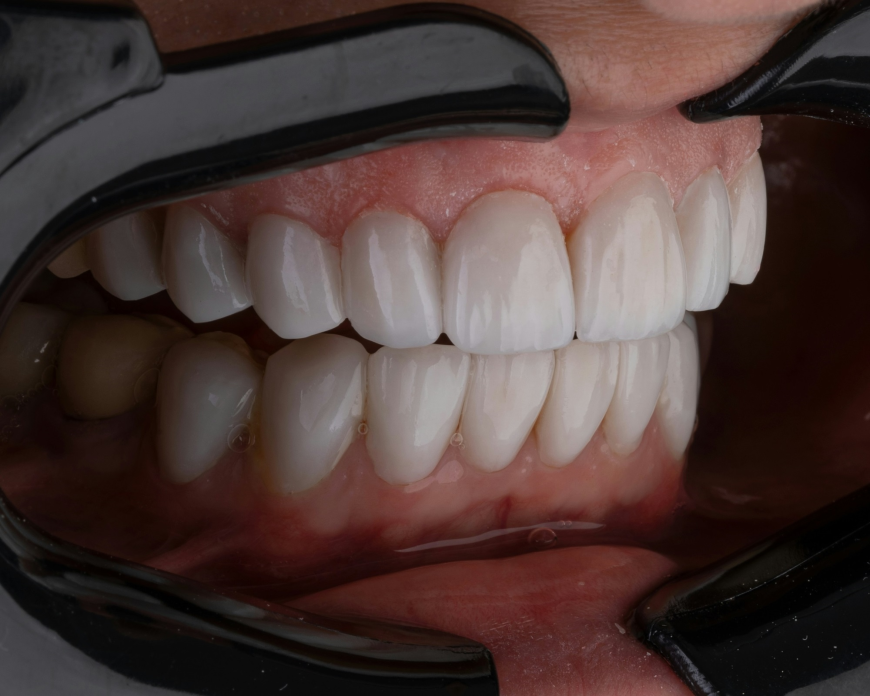
A tooth filling is one of the most common dental procedures used to restore teeth damaged by decay, cracks, or wear. When a cavity forms, a dentist removes the decayed portion of the tooth and fills the area with a durable material to restore its shape, strength, and function. Fillings also help prevent further decay by sealing off the affected area from bacteria.
What Is a Tooth Filling?
A tooth filling is essentially a restorative material placed into a tooth after the dentist has cleaned out a cavity or repaired minor damage. The main purpose is to bring the tooth back to its normal structure and function. Fillings are typically used when the damage is too large for a simple fluoride treatment but not severe enough to require a crown or extraction.
There are several materials used for tooth fillings, including:
-
Composite resin (white fillings): Matches the natural colour of your teeth, making it ideal for visible areas.
-
Amalgam (silver fillings): Durable and cost-effective, though less commonly used today due to aesthetic reasons.
-
Gold fillings: Highly durable and long-lasting, offering a premium option for patients seeking strength and longevity.
-
Porcelain fillings: Resistant to staining and designed to blend seamlessly with your natural teeth.
Gold Tooth Filling: Strength and Longevity Combined
A gold tooth filling is made from a mixture of gold and other metals, such as copper. This type of filling is known for its exceptional durability — lasting 15 years or more with proper care. Gold fillings do not corrode, are gentle on gum tissues, and can withstand heavy chewing forces, making them an excellent choice for molars.
While gold tooth fillings are more expensive than composite or amalgam fillings, their longevity and biocompatibility often make them a worthwhile investment. However, some patients may prefer tooth-coloured options for aesthetic reasons, especially in visible areas of the mouth.
Teeth Filling for Front Teeth
When decay or damage occurs in the front teeth, appearance becomes just as important as function. A teeth filling for front teeth must blend seamlessly with your natural smile. For this reason, dentists usually recommend composite resin fillings for these areas.
Composite fillings can be shaded to match your natural tooth colour, making them virtually invisible. They also bond directly to the tooth structure, offering both strength and aesthetic appeal. This makes them ideal for repairing small chips, cracks, or cavities in visible teeth.
Caring for Your Fillings
To ensure the longevity of your tooth fillings—whether gold, composite, or another type—proper oral hygiene is essential. Brush twice daily, floss regularly, and attend routine dental check-ups. Avoid biting hard objects like ice or pens, as this can damage both natural teeth and fillings.
Final Thoughts
Understanding what a tooth filling is and the different materials available helps you make an informed decision about your dental health. Whether you opt for a gold tooth filling for its strength or a composite filling for front teeth to maintain a natural look, modern dentistry offers reliable solutions to restore both your smile and confidence