What Is a Heavy Duty Connector and Why It Matters
 jackzkr317
Introduction
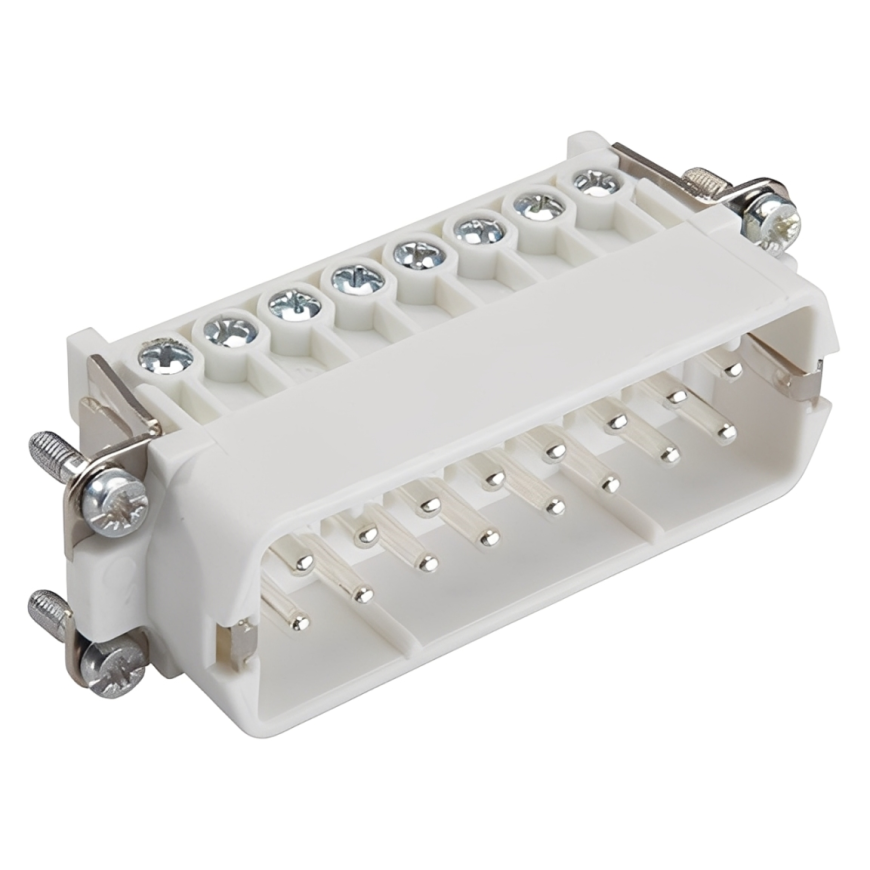
A Heavy Duty Connector is engineered to deliver uninterrupted power, control, and data in harsh settings where vibration, dust, moisture, oils, and temperature swings can cause failure. It protects contacts, seals out contaminants, and maintains stable connections for machinery, robotics, renewable systems, and mobile equipment. When specified well, it improves safety, simplifies maintenance, and extends asset life.
How a Heavy Duty Connector protects electronics
The core job is safeguarding current paths and signals under stress. Rugged housings shield terminations from impact and abrasion. Gaskets and cable glands keep water and oils out. Strain relief preserves conductor integrity when operators pull on grips or route cables tightly around frames.
Materials and sealing for thermal and chemical resistance
Housing alloys and reinforced polymers resist corrosion and UV. Quality elastomers retain compression set across thermal cycles. Look for ingress protection ratings with validated dust and water resistance. Where hydraulic fluids or cutting oils are present, seal chemistry must match the environment.
Key electrical ratings that drive selection
Choose ratings that exceed real operating conditions. Consider working voltage, test voltage, and insulation class. Current capacity depends on contact geometry, plating, and termination type. For control cabinets with microcontrollers and sensors, stable low level signal performance is as critical as high current paths for motors and contactors.
Contact technology and plating
Precision machined or stamped contacts with hard gold or silver plating minimize resistance and fretting. Spring designs maintain normal force during vibration. For frequent mating, select higher durability cycles. Signal pairs for microprocessors, controllers, and laptops on service carts benefit from shielding and controlled impedance to limit noise.
Mechanical design that simplifies field work
Rugged locks and ergonomic levers let technicians mate connectors with gloved hands. Anti-rotation keys prevent misalignment. Removable inserts speed reconfiguration when tools or switches are upgraded. Cable clamps with rubber profiles spread pressure, protecting braid and dielectric in coax and hybrid power plus data cables.
Panel, bulkhead, and cable configurations
Choose panel cutouts that match machine plates and enclosures. Bulkhead options create clean pass through points between dirty and clean zones. Cable to cable versions allow fast line replacement. Modular inserts combine signal, power, and pneumatics in one interface where space is tight.
Environmental and safety considerations
Harsh sites demand protection from dust, splashes, and washdown. Temperature ratings must cover cold starts and hot cycles near drives or thermal pads. Flammability performance matters in crowded panels with fuses, LEDs, and a capacitor bank. Locking features reduce accidental decoupling, protecting operators and equipment.
Standards, testing, and compliance
Verify compliance with relevant electrical and mechanical standards. Third party test data for ingress, vibration, and shock demonstrates suitability. Where food processing or outdoor lighting is involved, confirm gasket and housing materials align with hygiene and UV expectations.
Application examples across electronics and industry
In motion systems, connectors deliver power to servo drives and feedback from sensors. In process plants, they carry I/O signals between field devices and microcontrollers in distributed cabinets. On mobile platforms, they connect battery packs, switches, and lighting. In renewable arrays, they withstand temperature gradients while maintaining low contact resistance.
Hybrid power and signal in compact footprints
Modern equipment often routes power, control, and diagnostics through one interface. Hybrid inserts support mixed contacts, enabling a single plug for drives, encoders, and safety circuits. This reduces install time and points of failure while keeping controllers serviceable.
Practical selection checklist for engineers
-
Define voltage, current, and surge margins for power and control.
-
Map the environment for dust, water, oils, and thermal cycles.
-
Confirm ingress protection with tested sealing and glands.
-
Match contact plating to mating cycles and expected vibration.
-
Plan for strain relief that fits cable diameter and jacket type.
-
Verify materials against chemicals and UV exposure.
-
Choose keying to prevent cross mating in multi connector panels.
-
Ensure maintainability with replaceable inserts and accessible latching.
-
Align with standards required by your site and industry.
Wiring, installation, and termination quality
Good terminations prevent heating, arcing, and intermittent faults. Select crimp barrels that match conductor class and strand count. Calibrate crimp tools and verify pull out strength. For screw clamp variants, torque to specification and retighten after first thermal cycle. Shield terminations must continue to the housing or dedicated 360 degree clamps to maintain electromagnetic performance.
Cable routing and strain relief
Route cables away from sharp edges and moving parts. Use radius guides and clips to avoid kinks. Strain relief should compress uniformly, protecting insulation and shielding braid. Where impact is possible, add protective conduits or guards without exceeding bend limits.
Maintenance to sustain reliability and uptime
Periodic inspection prevents small issues from becoming downtime. Clean mating faces with approved methods. Replace worn seals, cracked glands, and fatigued grips. Confirm latch function and check that cable jackets remain supple without cuts. For signal circuits tied to microprocessors and sensors, measure contact resistance and noise levels during scheduled service.
Troubleshooting common connection issues
-
Intermittent signals often indicate fretting corrosion or insufficient normal force.
-
Heating at a single pole points to a poor crimp or loose clamp.
-
Moisture ingress shows as discoloration or residue near gaskets.
-
Unexpected EMI may trace to incomplete shield terminations.
Design trends shaping the next generation
Heavy Duty Connector platforms are adding higher density inserts, faster field termination, and improved sealing profiles. Smart diagnostics embedded in controllers and laptops now flag contact resistance changes, enabling predictive maintenance. Lighter alloys and refined surface treatments balance strength with weight for mobile applications without sacrificing safety.
Integrating with modern control architectures
As microcontrollers and industrial networks expand, connectors with hybrid power plus data, coded keying, and robust shielding help maintain deterministic performance. For modular equipment, quick change interfaces simplify line reconfiguration while preserving validated safety functions.
Quick specifications snapshot to compare options
-
Contact configurations for power, signal, and hybrid layouts
-
Current and voltage ratings with surge and test values
-
Mating cycle life and recommended maintenance intervals
-
Temperature range covering expected thermal swings
-
Ingress protection levels verified by testing
-
Compatible cable diameters and gland sizes
-
Available accessories such as protective caps and coding pins
Final takeaways for a confident selection
Start with real environmental data and duty cycles. Size conductors and contacts with thermal headroom. Validate sealing and strain relief against actual cables. Favor modular platforms that scale with evolving controllers, sensors, and switches. Document torque values, crimp specs, and inspection intervals so field teams can maintain consistency.