What Happens If Teams Draw in the 2026 FIFA World Cup Knockout Stage?
Learn what happens if teams draw in the 2026 FIFA World Cup knockout stage, including extra time, penalty shootouts, and FIFA's official tie-breaking rules.
 ShivamSharma56
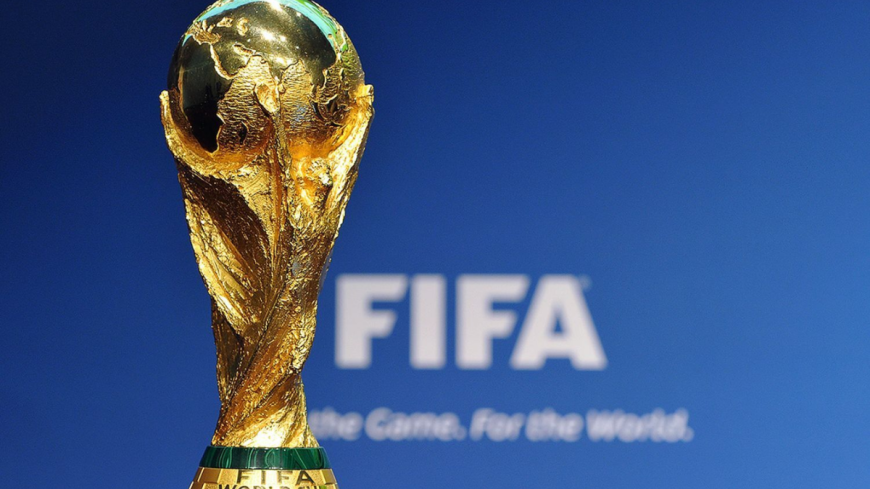
The knockout stage of the 2026 FIFA World Cup is where every match becomes a do-or-die contest. Unlike the group stage, where teams can settle for a draw and earn one point each, the knockout rounds require a clear winner. Every match must produce a team that advances to the next round, whether it is the Round of 32, Round of 16, quarterfinals, semifinals, or the final.
With the 2026 tournament expanding to 48 teams and introducing a Round of 32 for the first time in World Cup history, fans are asking one important question: What happens if a knockout match ends in a draw? Here's everything you need to know about the official FIFA rules.
There Are No Draws in the Knockout Stage
Once the World Cup enters the knockout rounds, teams can no longer share the result. If the score is tied after the regulation 90 minutes, the match continues until one team emerges as the winner.
This rule applies to every knockout match, including:
- Round of 32
- Round of 16
- Quarterfinals
- Semifinals
- Third-Place Playoff
- Final
A tied match cannot end with both teams advancing or being eliminated. One nation moves on, while the other is knocked out of the tournament.
Step 1: Regulation Time Ends Level
Every knockout match begins with the standard 90 minutes of football, split into two 45-minute halves.
If one team has scored more goals when regulation time ends, that team automatically qualifies for the next round.
However, if the score remains tied—for example:
- 0-0
- 1-1
- 2-2
- 3-3
the match immediately proceeds to extra time.
Step 2: Extra Time Is Played
Extra time consists of 30 additional minutes, divided into two periods of 15 minutes each.
There is a short break before extra time begins and a brief interval between the two extra-time halves. Teams are also allowed additional substitutions under FIFA's competition rules during this phase.
Extra time gives both sides another opportunity to score and win the match before penalties become necessary.
Unlike older football tournaments that used the "Golden Goal" or "Silver Goal" systems, the modern FIFA World Cup requires the full 30 minutes of extra time to be played unless the match is stopped for exceptional reasons.
Step 3: Penalty Shootout Decides the Winner
If the score is still level after 120 minutes of football, the match moves to a penalty shootout.
The process follows FIFA's standard procedure:
- Each team takes five penalties alternately.
- If one team gains an unbeatable lead before all five kicks are completed, the shootout ends immediately.
- If both teams remain tied after five penalties each, the contest enters sudden death.
- Sudden death continues until one team scores and the other misses during the same round of kicks.
The winning team advances, while the losing team is eliminated from the World Cup.
Penalty shootouts often produce some of the tournament's most dramatic and unforgettable moments.
What Happens in the World Cup Final?
The same tie-breaking procedure applies to the World Cup Final.
If the championship match is level after 90 minutes:
- Thirty minutes of extra time are played.
- If still tied, a penalty shootout determines the world champion.
There are no replay matches in the FIFA World Cup Final. The trophy is awarded on the same day, ensuring the tournament concludes with a definitive winner.
Does the Third-Place Match Also Use Penalties?
Yes. The Third-Place Playoff follows the same rules.
If the teams remain tied after regulation time, they play extra time. If no winner is found after 120 minutes, penalties decide which nation finishes third and which finishes fourth.
This ensures that every knockout fixture has a final result.
Why Doesn't FIFA Allow Draws?
The knockout stage is designed as a single-elimination competition. Every match determines which team continues its journey toward becoming world champion.
Allowing draws would make it impossible to decide which nation advances. The combination of extra time and penalty shootouts provides a fair and universally accepted method for producing one winner in every match.
These rules also reward teams that can perform under pressure, manage fatigue during extra time, and remain composed during high-stakes penalty kicks.
Have Penalty Shootouts Decided World Cup Champions Before?
Yes. Several FIFA World Cup titles have been decided by penalty shootouts after neither team could be separated during regulation and extra time.
Some of the most memorable finals settled on penalties include:
- 1994: Brazil defeated Italy.
- 2006: Italy defeated France.
- 2022: Argentina defeated France after one of the greatest World Cup finals ever played.
These matches demonstrate how penalty shootouts can become defining moments in football history, turning goalkeepers into heroes and creating unforgettable celebrations.
Will the Expanded 2026 Tournament Change These Rules?
Although the 2026 FIFA World Cup introduces a larger tournament with 48 teams and an additional knockout round, FIFA has not changed the tie-breaking format for knockout matches.
Every knockout fixture will continue to follow the same sequence:
- 90 minutes of regulation time
- 30 minutes of extra time (if needed)
- Penalty shootout (if still tied)
The only major difference is that more teams will compete in the knockout stage, increasing the number of elimination matches and creating more opportunities for dramatic extra-time battles and penalty shootouts.
Conclusion
A draw in the 2026 FIFA World Cup knockout stage is only temporary. If teams are level after 90 minutes, they continue into 30 minutes of extra time. Should the score remain tied after 120 minutes, the winner is determined by a penalty shootout. This format guarantees that every knockout match produces one team that advances and one that exits the tournament, preserving the excitement and high-pressure drama that make the FIFA World Cup's elimination rounds some of the most thrilling spectacles in world football.