How Should You Choose RF Coaxial Connectors & Adapters for Demanding RF Applications?
Learn how RF Coaxial Connectors & Adapters improve signal transfer, reduce loss, and support reliable connections across modern RF systems and devices.
 joddie25
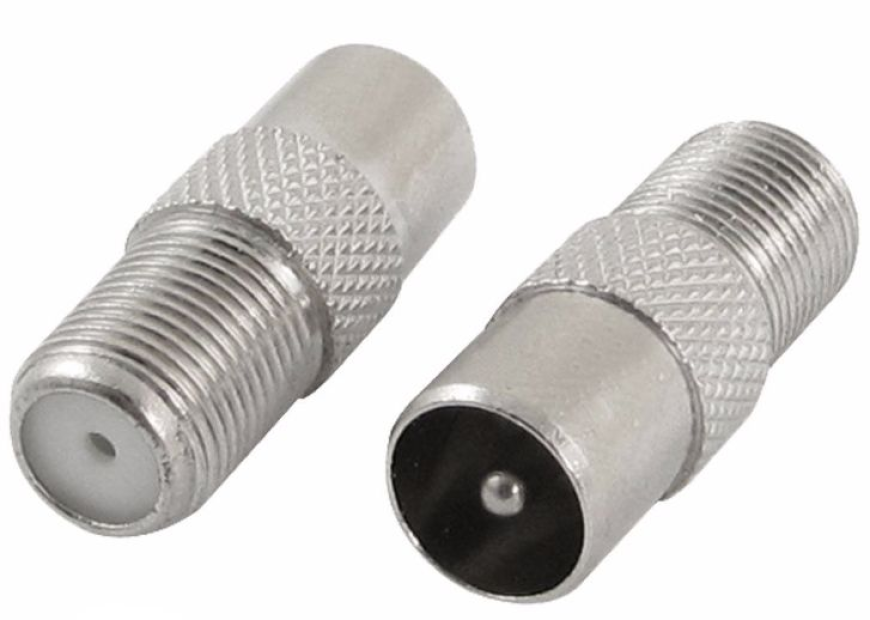
RF Coaxial Connectors & Adapters are essential to the performance of modern RF systems, yet they are often selected only after cables, antennas, and active devices have already been chosen. That approach can create avoidable signal issues. In practice, the connector and adapter combination has a direct effect on electrical continuity, impedance control, mechanical stability, and long term reliability. Whether the application involves wireless infrastructure, embedded electronics, instrumentation, satellite equipment, or industrial communication systems, the correct choice of RF Coaxial Connectors & Adapters can improve performance across the full signal path.
At first glance, these parts may appear to be simple interconnection accessories. In reality, they are precision components that must support high frequency transmission without introducing unnecessary loss, reflection, or interference. A poor selection can limit system efficiency, while a well matched solution helps maintain stable results under both routine and demanding operating conditions.
What Do RF Coaxial Connectors & Adapters Actually Do?
RF Coaxial Connectors & Adapters are designed to join coaxial cables and RF interfaces while preserving the electrical characteristics needed for radio frequency signals. A coaxial cable includes a center conductor, dielectric layer, outer shield, and protective jacket. This structure helps maintain controlled impedance and shields the signal from external noise. The connector must continue that controlled path as the cable transitions into a device, panel, antenna, or instrument.
Connectors terminate the cable and create the intended RF interface. Adapters extend flexibility by allowing unlike interfaces to work together. For example, one piece of equipment may use SMA while another uses BNC or N type. Rather than replacing the full cable assembly, an adapter can create a practical link that supports testing, maintenance, upgrades, or temporary integration.
Why Does Connector Selection Matter So Much in RF Systems?
RF signals behave differently from standard low frequency electrical connections. Small mismatches that might be ignored elsewhere can have a noticeable effect in RF environments. This is why RF Coaxial Connectors & Adapters should always be selected with performance in mind rather than appearance alone.
Electrical precision affects transmission
A connector becomes part of the transmission line. If its design does not support the right impedance or frequency range, the signal can reflect, weaken, or become unstable.
Mechanical quality affects consistency
Loose coupling, poor material quality, or weak termination can reduce repeatability and create intermittent failures, especially in equipment exposed to movement, vibration, or frequent reconnection.
Environmental suitability affects service life
Outdoor systems, industrial locations, and high use testing environments place different demands on RF Coaxial Connectors & Adapters. A part that works well in a lab may not be suitable for field deployment.
Which Electrical Factors Should Be Considered First?
Before choosing a connector family or adapter configuration, the electrical requirements of the application should be reviewed carefully. This prevents common mismatches that reduce performance.
Impedance
Most RF systems are built around 50 ohms or 75 ohms. RF Coaxial Connectors & Adapters must match the impedance of the cable and connected equipment to reduce reflections and support smoother power transfer.
Frequency range
Not every connector is suitable for every frequency band. Some are built for general use at lower frequencies, while others are designed for higher frequency precision. Selecting a connector outside its intended operating range can reduce system efficiency.
Insertion loss
Insertion loss is the signal reduction introduced by the connection point. Quality RF Coaxial Connectors & Adapters are designed to keep this loss low so the signal reaches its destination with greater strength.
Return loss
Return loss reflects how well the connection minimizes reflected energy. A properly matched connector improves return loss performance and helps maintain cleaner transmission.
What Mechanical and Practical Factors Influence the Right Choice?
Electrical performance is only one part of the decision. Physical design and installation conditions also matter because they affect how the connector performs over time.
Common mechanical considerations
- Cable diameter and construction
- Required connector interface
- Straight or right angle layout
- Mating and unmating frequency
- Available installation space
- Resistance to vibration or movement
- Ease of assembly and maintenance
A tight enclosure, repeated test cycles, or an outdoor antenna installation may each require a different connector style even when the electrical requirements are similar.
Which RF Coaxial Connectors & Adapters Are Widely Used?
Several connector families are widely used in RF systems because each offers a different balance of size, durability, and performance.
SMA
SMA connectors are compact, threaded, and common in antennas, wireless modules, laboratory setups, and communication hardware. They are often chosen where secure, high frequency performance is needed.
BNC
BNC connectors use a bayonet coupling system that allows quick connection and removal. They are practical for test equipment, legacy communication hardware, and applications where fast access matters.
N Type
N type connectors are larger and more rugged. They are often selected for outdoor systems, base stations, and industrial RF installations where durability is important.
TNC
TNC connectors provide threaded coupling and improved resistance to vibration. They are suitable for mobile communication equipment and harsher environments.
RF Adapters
RF adapters allow different connector interfaces to work together. They are valuable for mixed equipment setups, prototype development, service work, and temporary RF routing changes.
How Can Adapters Be Used Without Reducing Performance?
Adapters are useful, but they should be used carefully. Every added connection introduces another transition point, and too many transitions can affect the signal path.
Good adapter practices
- Use only when interface conversion is genuinely needed
- Match impedance across the full connection path
- Avoid long chains of multiple adapters
- Select adapters rated for the required frequency
- Choose quality materials and precise fit
A well selected adapter supports flexibility, but overuse can increase loss and reduce reliability.
Where Are RF Coaxial Connectors & Adapters Commonly Applied?
RF Coaxial Connectors & Adapters are used in many industries that depend on stable signal transmission.
Typical application areas
- Wireless communication networks
- Broadcast and media systems
- Satellite and GPS equipment
- Test and measurement instruments
- Aerospace and defense electronics
- Medical electronic devices
- Industrial automation systems
- Embedded hardware and IoT platforms
In these applications, connector quality can affect signal accuracy, uptime, and overall system confidence.
What Installation Habits Help Protect Long Term Performance?
Even the right connector can underperform if it is installed poorly. Good handling and regular inspection help RF Coaxial Connectors & Adapters deliver consistent results.
Useful best practices
- Match the connector exactly to the cable type
- Use correct termination tools and methods
- Keep mating surfaces clean
- Tighten threaded connectors correctly
- Inspect for corrosion, wear, or looseness
- Replace damaged adapters before they affect the system
These habits help reduce avoidable faults and extend connector life.
Conclusion
RF Coaxial Connectors & Adapters are a critical part of the RF signal chain because they combine electrical accuracy with mechanical reliability. Choosing them correctly requires attention to impedance, frequency range, connector style, cable compatibility, and environmental conditions. When selected and installed properly, they help reduce loss, improve consistency, and support dependable system operation across a wide range of applications. For engineers, buyers, and system designers, understanding the real role of RF Coaxial Connectors & Adapters is an important step toward building stronger and more reliable RF solutions.