What Happens During a Professional Skin Check: A Step-by-Step Guide
 James David
For many people, the thought of visiting a dermatologist for a skin check can feel unfamiliar or even intimidating. However, understanding what happens during this routine examination can ease any concerns and highlight why these appointments are so valuable. Regular skin examinations play a critical role in identifying potential problems early, when they are often easier to address. This guide walks you through what to expect before, during, and after a professional skin evaluation.
Why Professional Skin Checks Matter
Your skin is your body's largest organ, and it faces constant exposure to environmental factors like ultraviolet radiation, pollution, and irritants. Over time, this exposure can lead to changes in the skin that may require medical attention. A professional evaluation allows a trained dermatologist to identify suspicious moles, unusual growths, and other abnormalities that you might overlook during a self-exam. Early detection of conditions like skin cancer significantly improves treatment outcomes, making routine checks an important part of preventive health care.
Preparing for Your Appointment
Preparation for a skin examination is straightforward. In the days leading up to your appointment, avoid applying heavy makeup, nail polish, or self-tanner, as these can obscure areas your dermatologist needs to examine. Take note of any spots, moles, or lesions that have changed in size, shape, or color, or any new growths that have appeared. Writing down your concerns ensures you remember to address them during your visit.
On the day of your appointment, wear loose, comfortable clothing that is easy to remove. You may be asked to change into a medical gown so the dermatologist can examine your entire body. If you feel uncomfortable with a full-body exam, communicate your preferences with your provider. They can focus on specific areas of concern while still providing thorough care.
What Happens During the Examination
When your dermatologist enters the room, they will typically begin by asking about your medical history, including any personal or family history of skin conditions or skin cancer. They may also ask about your sun exposure habits, use of tanning beds, history of sunburns, and any medications you are currently taking. This information helps them assess your risk factors and tailor the examination accordingly.
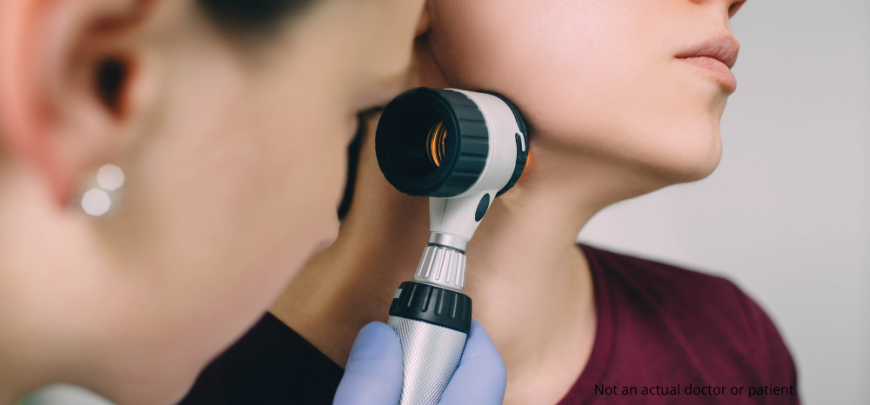
The physical examination itself usually takes between 10 and 20 minutes. Your dermatologist will systematically examine your skin from head to toe, including areas you might not think to check yourself, such as your scalp, the spaces between your toes, and your back. They use a specialized magnifying instrument called a dermatoscope to examine moles and lesions more closely. This tool allows them to see structures beneath the skin's surface that are not visible to the naked eye.
During the exam, your dermatologist may look for:
- Asymmetrical moles or growths
- Borders that are irregular or poorly defined
- Color variations within a single mole
- Diameter larger than a pencil eraser
- Evolving size, shape, or color over time
These characteristics, often referred to as the ABCDEs of melanoma, help identify lesions that may require further evaluation.
If Something Looks Suspicious
If your dermatologist identifies a mole or lesion that appears abnormal, they may recommend a biopsy. This involves removing a small sample of tissue for laboratory analysis. Biopsies are typically quick, performed under local anesthesia, and cause minimal discomfort. The results usually return within one to two weeks, at which point your dermatologist will discuss the next steps if needed.
Not every suspicious spot will be problematic. Many biopsied lesions are benign. However, taking a cautious approach ensures that any concerning changes are addressed promptly.
After Your Skin Check
Following your examination, your dermatologist will discuss their findings and recommend a schedule for future skin checks based on your individual risk factors. Those with a history of skin cancer, numerous moles, or significant sun exposure may benefit from more frequent evaluations, while others may only need annual appointments.
Your provider may also offer guidance on sun protection, self-examination techniques, and lifestyle modifications that support long-term skin health.
Conclusion
A professional skin examination is a simple yet powerful tool for maintaining your skin's health and catching potential problems early. Understanding what to expect can help you approach the appointment with confidence and make the most of your time with your dermatologist. If you have not had a recent evaluation or if you have noticed changes in your skin, scheduling a skin check with a qualified provider is a worthwhile step toward protecting your long-term well-being.