What Do I Do If My Tooth Was Knocked Out?
A knocked out tooth is one of the most alarming dental emergencies a person can experience. It can happen suddenly during sports, accidents, falls, or even while biting into something hard.
 bestdentist
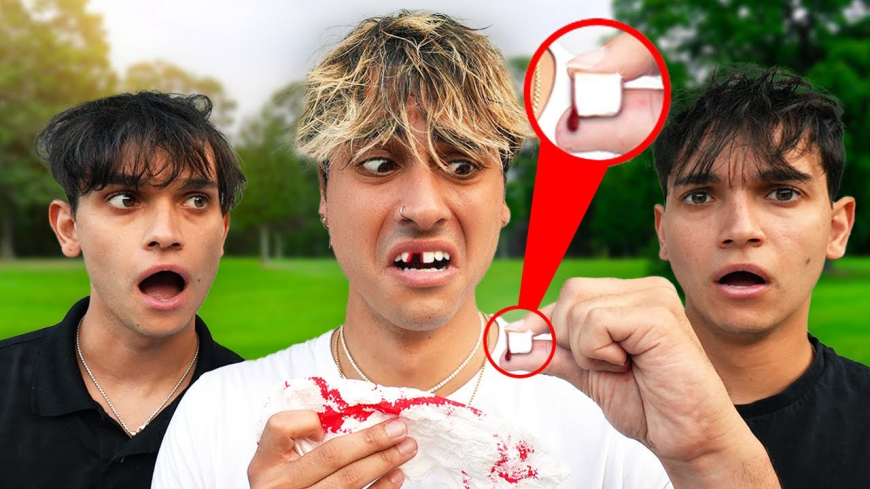
A knocked out tooth is one of the most alarming dental emergencies a person can experience. It can happen suddenly during sports, accidents, falls, or even while biting into something hard. When a tooth is completely dislodged from its socket, immediate action is necessary to increase the chances of saving it.
Dental professionals explain that the first 30 to 60 minutes after the injury are the most important. The tissues around the tooth root begin to dry out quickly once the tooth is outside the mouth. Acting fast and following the correct steps can sometimes allow a dentist to successfully place the tooth back into the socket. Knowing what to do in this situation can protect your oral health and prevent long-term complications such as infection, bone loss, or the need for tooth replacement.
Understanding a Knocked-Out Tooth
When a tooth is completely removed from its socket due to trauma, the injury is known as dental avulsion. This condition most often affects permanent teeth, particularly the upper front teeth because they are more exposed to impact.
The tooth is normally held in place by ligaments, bone, and surrounding gum tissue. When an injury occurs, these supporting structures can tear or become damaged. If the tooth remains outside the mouth for too long, the cells attached to the root surface begin to die, making it harder for the tooth to reattach. This is why dentists strongly recommend seeing an emergency dentist for knocked out tooth injuries as quickly as possible.
Common Causes of Knocked-Out Teeth
A tooth can be knocked out suddenly during an accident or strong impact to the mouth. Trauma that places force on the teeth and jaw may dislodge a tooth from its socket. These injuries can happen during daily activities, sports, or unexpected situations involving facial impact.
Sports Injuries
Contact sports such as football, hockey, basketball, and martial arts often involve physical collisions. A direct hit to the mouth or face can easily knock out a tooth if protective gear is not used. Wearing a sports mouthguard greatly reduces the risk of dental trauma during these activities.
Falls and Accidents
Slipping on wet floors, falling down stairs, or losing balance during physical activity can cause the mouth to hit hard surfaces. These sudden impacts place strong pressure on the teeth and jaw. Falls are a common reason both children and adults experience dental injuries.
Car Accidents
Vehicle collisions can create significant facial trauma even when safety features are present. The force of impact may cause the teeth to strike the steering wheel, dashboard, or airbag. This type of trauma can lead to broken teeth or a tooth being completely knocked out.
Workplace or Physical Trauma
Accidents during manual labor, construction work, or physical altercations can lead to dental injuries. Heavy equipment, tools, or sudden blows to the face can damage teeth and surrounding structures. Protective gear and safety precautions help reduce the risk of these injuries.
What To Do Immediately After a Tooth Is Knocked Out
If a tooth is knocked out, acting quickly can make the difference between saving and losing the tooth. Following these steps may improve the chances of successful treatment.
1. Locate the Tooth
Find the tooth as quickly as possible and handle it with care. Always hold it by the crown, which is the visible white part of the tooth. Avoid touching the root because it contains delicate cells that are important for successful reattachment.
2. Rinse It Gently
If the tooth is dirty, rinse it lightly with clean water or saline solution for a few seconds. This helps remove debris without harming the tooth. Do not scrub, brush, or use soap because these actions can damage the root surface.
3. Try to Place It Back in the Socket
If possible, carefully place the tooth back into its original socket. Make sure the tooth is facing the correct direction before gently pushing it into place. Bite down softly on gauze or a clean cloth to help keep the tooth stable.
4. Keep the Tooth Moist
If reinserting the tooth is not possible, it is important to keep it moist. Place the tooth in a container of milk or saline solution to protect the root cells. You may also keep it inside your cheek if it is safe to do so.
5. Seek Immediate Dental Care
Visit an Emergency Dentist in Murphy or the nearest dental clinic as quickly as possible. Time plays a critical role in saving a knocked-out tooth. Receiving professional treatment within 30 to 60 minutes greatly improves the chances of successful reimplantation.
What Not To Do When a Tooth Is Knocked Out
Many people unintentionally damage the tooth by handling it incorrectly. Avoid the following mistakes:
-
Do not scrub the tooth root
-
Do not wrap the tooth in tissue or cloth
-
Do not leave the tooth dry or exposed to air
-
Do not delay seeking professional dental care
Treatment for a Knocked-Out Tooth
Once you reach the dental clinic, the dentist will carefully examine the injury and evaluate whether the tooth can be saved. X-rays may be taken to assess the condition of the surrounding bone and tissues. Knocked out tooth treatment in Murphy often involves multiple steps designed to stabilize the tooth and promote proper healing.
Reimplantation
If the tooth is still in good condition and treated quickly, the dentist may place it back into the socket. This procedure is called reimplantation and works best when performed soon after the injury. Immediate treatment greatly improves the chances of saving the natural tooth.
Splinting
After the tooth is reinserted, the dentist may attach it to nearby teeth using a flexible dental splint. This helps keep the tooth stable while the surrounding tissues heal. The splint usually remains in place for a few weeks to allow proper recovery.
Root Canal Treatment
In many cases, a root canal procedure is required after the tooth is reimplanted. This treatment removes damaged pulp tissue inside the tooth and prevents infection. Root canal therapy also helps preserve the structure of the tooth and supports long-term stability.
Tooth Replacement
If the tooth cannot be saved, the dentist will discuss replacement options. Treatments such as dental implants, bridges, or partial dentures can restore both appearance and chewing function. These modern solutions help patients regain confidence in their smile.
How to Prevent Tooth Injuries
Although accidents can occur unexpectedly, certain precautions can lower the risk of serious dental injuries. Protecting your teeth during high-risk activities and maintaining good oral health are important steps. Preventive care can reduce the chances of needing urgent dental care in Murphy due to dental trauma.
Wear Mouthguards During Sports
Custom sports mouthguards help protect teeth from sudden impact during physical activities. They absorb shock and reduce the force applied to the teeth and jaw. Athletes who wear mouthguards are far less likely to experience dental injuries.
Use Protective Gear
Helmets, face shields, and other protective equipment provide additional safety during sports or dangerous activities. These protective measures help prevent direct blows to the face and mouth. Using the right gear greatly reduces the risk of serious dental trauma.
Maintain Regular Dental Visits
Routine dental checkups allow dentists to identify weak teeth, decay, or other problems that may increase the risk of injury. Regular cleanings also help keep teeth strong and healthy. Early detection of dental issues can prevent complications later.
Create a Safer Environment
Reducing fall hazards at home or work can also prevent dental injuries. Keep floors dry, improve lighting, and install handrails where necessary. Taking simple safety precautions can significantly lower the chances of accidents that damage teeth.
When Should You Seek Emergency Dental Care?
A knocked-out tooth should always be treated as a dental emergency. Many people search online for an Emergency Dentist Near Me when sudden dental trauma occurs.
You should seek immediate care if you experience:
-
A permanent tooth completely knocked out
-
Severe bleeding from the gums
-
A loose or displaced tooth
-
Significant pain or swelling
-
Difficulty biting or closing your mouth properly
Restoring Your Smile After Dental Trauma
Losing a tooth due to an accident can feel overwhelming, but modern dentistry offers reliable solutions to restore both appearance and function. Dr. Mona at Beautiful Smiles provides advanced care and Emergency Tooth Repair Near Murphy, offering treatment options such as dental implants, bridges, and cosmetic restorations.
Timely treatment helps protect oral health and prevents complications that may affect chewing, speaking, and overall dental stability. With professional care from Dr. Mona Ahmedin and the team at Beautiful Smiles, patients can regain confidence and maintain a strong, natural-looking smile.
Final Thoughts
A knocked-out tooth should always be treated as a serious dental emergency that requires immediate care. Acting quickly, handling the tooth properly, and visiting a dentist as soon as possible can significantly increase the chances of saving the tooth. Early professional care helps protect the surrounding tissues and supports proper healing.
At Beautiful Smiles, Dr. Mona Ahmedin provides prompt evaluation and treatment for dental injuries to help patients restore comfort and protect their oral health. Taking the right steps during a dental emergency can prevent long-term damage and help maintain a healthy, confident smile.