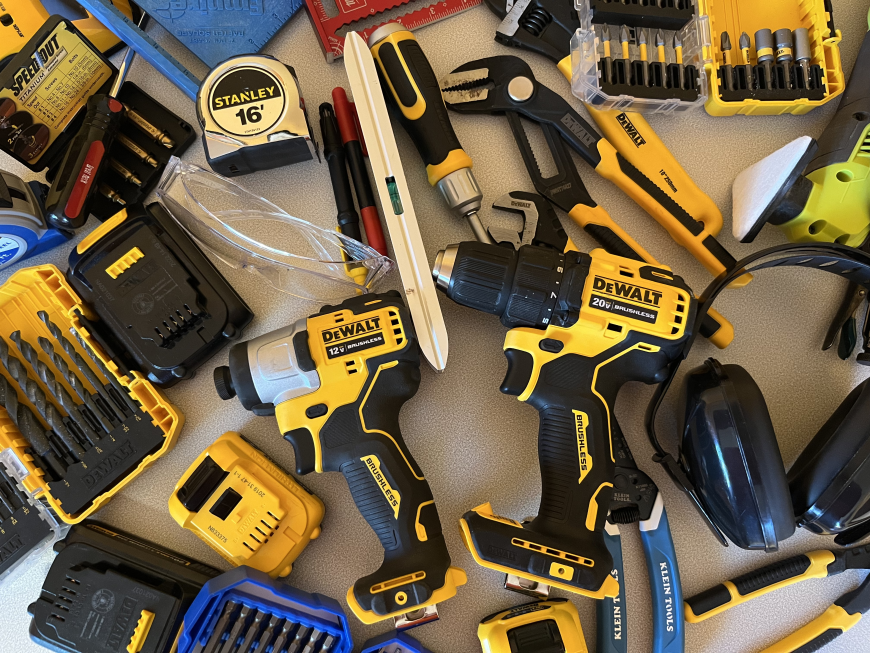
Tools are the silent drivers behind countless tasks in everyday life, from fixing a loose hinge at home to assembling industrial machinery. They help translate effort into output, guiding precision, safety, and speed. Whether simple or complex, tools bridge the gap between intention and execution in every project.
Why Are Tools Vital in Modern Applications?
Tools serve as functional extensions of human skill. They not only simplify tasks but also improve the quality of the final outcome, making them indispensable across all levels of work.
- Help complete tasks faster and with less physical strain
- Provide accuracy and consistency across repeated actions
- Allow users to safely manage high-risk or technical operations
- Enable non-experts to perform skilled repairs or installations
- Reduce resource wastage by improving task precision
From home users to professional technicians, tools empower users to solve problems efficiently.
What Are the Primary Types of Tools Found in Most Toolkits?
There are several classes of tools, each with a distinct role in executing or supporting specific tasks. Recognising their differences ensures the right choice for every job.
Essential Hand Tools
These are manual and often the most relied-upon instruments.
- Pliers for gripping and cutting wires
- Hammers for striking and assembling
- Adjustable spanners for tightening nuts and bolts
- Hex keys for working with recessed fasteners
They are staples in both residential and industrial settings.
Electric and Battery-Operated Tools
Power tools bring muscle to repetitive or heavy-duty tasks.
- Cordless drills for fast drilling and screw driving
- Sanders for smooth finishing of wood or metal
- Heat guns for bending or shrinking materials
- Angle grinders for cutting and polishing
These tools are popular for their speed, power, and precision.
Diagnostic and Testing Tools
Used to identify faults, verify performance, or ensure alignment.
- Digital multimeters for electrical readings
- Thermal sensors for heat distribution checks
- Levels and plumb lines for structural alignment
- Clamp meters for current measurement
They help prevent malfunction by providing insights during inspection.
Cutting and Fastening Tools
Tailored for precise modification or assembly of components.
- Cable cutters and pipe cutters for clean slicing
- Wire strippers for insulation removal
- Rivet guns and staple guns for secure fastening
Such tools are essential in wiring, piping, and frame construction.
Compressed Air and Hydraulic Tools
These tools operate using air or fluid pressure for maximum power.
- Pneumatic drills and grinders for fast operation
- Hydraulic jacks for lifting heavy loads
- Airbrush kits for spray painting or detailing
They offer high efficiency in automotive and assembly line applications.
What Should You Evaluate Before Purchasing Tools?
Not every tool is built equally. Making the right decision ensures not only task success but also safety and long-term value.
Material and Build Strength
- Choose high-grade steel for durability and torque strength
- Look for anti-corrosive finishes for outdoor use
- Check for certified load ratings in lifting or impact tools
Quality construction guarantees long-term use under stress.
Comfort and Safety Features
- Padded, anti-slip handles improve user comfort
- Insulated grips ensure safety in electrical applications
- Safety guards reduce exposure to sharp or hot surfaces
These features protect the user while improving overall productivity.
Compatibility With Task Requirements
- Choose size and type appropriate to the fastener or fitting
- Use tools rated for specific voltage or load limits
- Match blade or tip styles with materials being cut or shaped
Using the wrong tool can damage both the equipment and the job.
In What Environments Are Tools Most Useful?
Tools support productivity across all fields. Their application is not limited to one trade or profession.
Construction and Infrastructure
- Power saws and concrete mixers for large-scale building
- Measuring wheels and laser guides for layout planning
- Trowels and levels for bricklaying and flooring
Automotive and Mechanical
- Impact wrenches for tyre changes
- Diagnostic scanners for vehicle systems
- Jacks, pullers, and compression tools for engine work
Electrical and Electronics
- Voltage testers and continuity tools for safety checks
- Crimping tools and strippers for circuit wiring
- ESD-safe tweezers and soldering irons for small components
Hobby and DIY Applications
- Screwdriver kits and glue guns for home projects
- Rotary tools for arts and crafts
- Basic spanners and pliers for furniture and fixture repair
These tools help users complete small tasks with professional results.
How Do You Maintain Tools for Long-Term Use?
Tools perform best when well cared for. Regular upkeep avoids accidents and increases lifespan.
- Wipe tools dry to prevent corrosion after use
- Keep edges sharpened to maintain cutting efficiency
- Store in designated cases or cabinets to avoid impact damage
- Lubricate joints or motors as per manufacturer guidelines
Tool maintenance ensures they remain safe and ready for immediate use.
What Are the Most Versatile Tools Every User Should Own?
Having a core set of tools means being prepared for common challenges.
- Multi-bit screwdriver for varied screw heads
- Adjustable wrench for a wide range of nut sizes
- Cordless drill with interchangeable bits
- Utility knife with retractable blade
- Measuring tape and bubble level for layout tasks
These tools cover most repair, installation, or building needs at home or work.
Final Thoughts
Tools are the trusted companions of anyone looking to build, repair, measure, or design. With the right combination of reliability, safety, and versatility, they enable you to meet professional standards regardless of your environment. From precision electronics to industrial infrastructure, tools lay the groundwork for success, one task at a time. Whether you’re just starting or managing a workshop, building your tool collection is a step toward independence, mastery, and excellence in every project.

 joddie25