The True Cost of Emergency Plumbing Services: What to Expect After Hours
Emergency plumbing costs are influenced by several variables, including timing, labor, materials, travel, diagnostic work, equipment, and the complexity of the repair. After-hours service usually costs more than a standard appointment because professionals must provide immediate assistance outside their regular schedules.
 eddypaul249
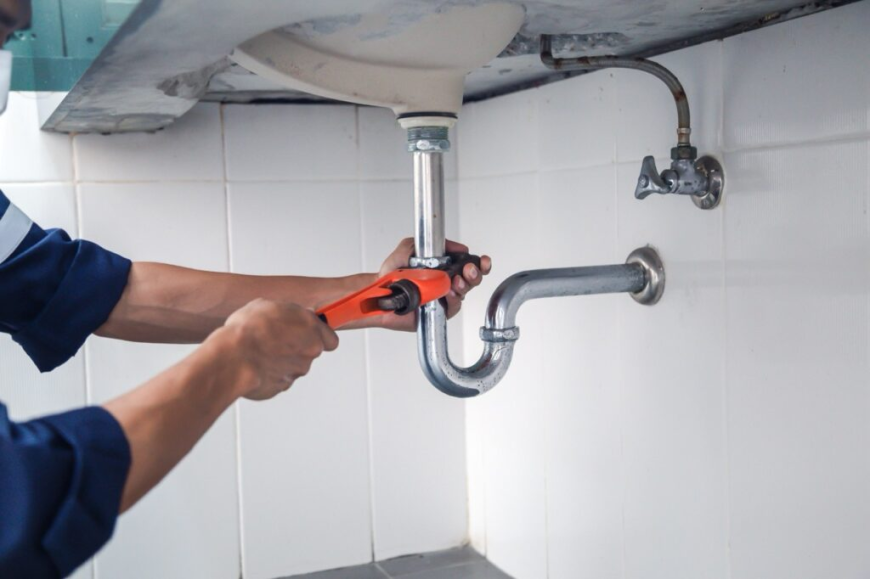
Plumbing emergencies rarely happen at a convenient time, and waiting until regular business hours is not always a safe or practical option. A burst pipe, overflowing toilet, failed water heater, or serious sewer backup can cause extensive damage if left unresolved. That is why many homeowners and businesses turn to Emergency Plumbing Services when a plumbing failure occurs overnight, during weekends, or on holidays. After-hours service can cost more than a routine appointment, but the expense may prevent much larger repair and restoration bills. Understanding how emergency plumbing pricing works can help property owners make informed decisions during stressful situations.
Why Emergency Plumbing Services Cost More After Hours
After-hours plumbing typically costs more because emergency calls require professionals to work outside their normal schedules and respond to unexpected problems. A plumber may need to leave another commitment, travel at night, or rearrange their schedule to reach a customer quickly. Companies may also maintain technicians, vehicles, equipment, and dispatch systems specifically for urgent calls. These operating costs can be reflected in emergency service charges. While prices vary by location and company, customers should expect after-hours work to carry a premium compared with routine daytime plumbing appointments.
The higher price does not necessarily mean emergency plumbing is overpriced or unnecessary. In many situations, delaying a repair can allow water damage, structural deterioration, or contamination to spread throughout the property. For example, a leaking pipe behind a wall can continue releasing water for hours while the homeowner waits for a standard appointment. Similarly, a sewer backup can create sanitation concerns that should not be postponed. The real financial question is often whether paying for immediate service is less costly than dealing with the consequences of waiting.
Common Factors That Affect Emergency Plumbing Costs
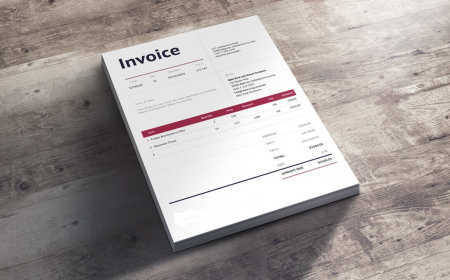
Several factors can influence the final cost of an emergency plumbing visit, so there is rarely one universal price for every situation. The severity and location of the problem are important considerations because a simple accessible repair may take much less time than locating a concealed pipe failure. The required replacement parts, specialized equipment, labor hours, and travel distance can also affect the invoice. Some companies charge a separate diagnostic or service-call fee before beginning repairs. Customers should ask what the initial fee covers so they understand what they are paying for before work starts.
The time of the call can also affect pricing, particularly when service is requested late at night, during weekends, or on holidays. Some plumbing companies use different rates depending on the hour, while others apply a flat emergency surcharge. Geographic location matters as well because labor rates and operating costs differ between cities and regions. Accessibility can be another factor when a plumber must remove fixtures, open walls, or reach difficult areas to identify the source of a problem. A professional assessment should provide a clearer understanding of the work involved and the expected cost.
Typical Emergencies That May Require Immediate Service
Some plumbing failures are serious enough that postponing service can create unnecessary risks or property damage. A burst water supply pipe can release large quantities of water into a home or commercial building within a short period. Major sewer backups are another concern because contaminated wastewater can spread across floors and create sanitation problems. A failed water heater may also require prompt attention when it is actively leaking or creating another safety concern. Emergency Plumbing Services can help stabilize these situations and determine what repairs are needed to restore normal operation.
Not every plumbing inconvenience requires an after-hours visit, however. A minor faucet drip, slow drain, or cosmetic fixture issue may often be scheduled during regular business hours if there is no immediate risk of damage. The distinction depends on the severity of the problem and how quickly conditions could deteriorate. If water is actively spreading, sewage is backing up, or an essential plumbing function has suddenly failed, waiting may be unwise. When uncertain, speaking with a qualified plumbing professional can help determine whether the situation warrants immediate attention.
Labor, Parts, and Diagnostic Charges
Emergency plumbing invoices generally reflect more than the time spent tightening a fitting or replacing a component. Labor is one of the primary expenses, particularly when technicians must work outside normal business hours. Replacement parts can add to the total, especially if the failed component is specialized or unavailable locally. Diagnostic work may also be necessary when the source of a leak or blockage is hidden. A professional plumber may need to inspect multiple sections of the system before recommending a permanent solution.
Some emergency repairs can be completed immediately with commonly stocked parts, while more complicated problems may require temporary stabilization followed by additional work. For example, a plumber might stop a major leak during an overnight visit and return later to complete a larger pipe replacement. Customers should ask whether the quoted amount covers the complete repair or only the immediate emergency response. Clear communication can reduce misunderstandings about what is included. A detailed estimate or explanation of charges is especially valuable when the repair involves substantial labor or materials.
How Residential and Commercial Plumbing Services Differ
The costs and complexity of emergency work can vary significantly between homes and businesses. Residential and Commercial Plumbing Services may involve different equipment, pipe sizes, building layouts, and regulatory requirements. A small residential leak might be isolated to one fixture, while a commercial plumbing failure could affect multiple bathrooms, kitchens, offices, tenants, or production areas. Businesses may also experience financial losses when plumbing problems interrupt operations. For that reason, commercial property owners and managers often need a rapid response that focuses on restoring essential services while minimizing disruption.
Commercial plumbing systems can also require specialized knowledge because larger buildings may have extensive drainage networks, multiple water lines, backflow prevention devices, pumps, or specialized fixtures. Access can be more complicated in multi-story buildings or facilities with restricted mechanical areas. Emergency technicians may need to coordinate with property managers, maintenance teams, or other contractors before completing certain repairs. The additional complexity can influence labor requirements and overall pricing. Choosing a provider experienced with Residential and Commercial Plumbing Services can help ensure the repair approach matches the building's needs.
How to Avoid Unnecessary Emergency Plumbing Expenses
The best way to reduce emergency plumbing costs is to address developing problems before they become urgent failures. Regular inspections can identify worn shutoff valves, corroded pipes, leaking fixtures, deteriorating water heaters, and recurring drainage problems. Homeowners should not ignore warning signs simply because a system is still functioning. Small leaks, unexplained water stains, unusual pipe noises, and repeated clogs can indicate issues that may eventually require major repairs. Preventive plumbing care can therefore reduce the likelihood of paying premium after-hours rates.
Property owners can also prepare for emergencies by learning where the main water shutoff valve is located and ensuring it remains accessible. Knowing how to stop the water supply can limit damage while professional assistance is on the way. It is also useful to keep basic information about the property's plumbing system, including previous repairs and the age of major equipment. For businesses, having a reliable plumbing provider and emergency contact procedure can reduce downtime. These simple preparations can make a significant difference when an unexpected plumbing problem occurs outside normal hours.
Questions to Ask Before Hiring an Emergency Plumber
Before authorizing emergency work, customers should ask several practical questions about pricing and service. Find out whether there is an emergency call-out fee, how labor is billed, whether the technician will provide an estimate before repairs, and whether parts are included in the quoted amount. It is also reasonable to ask whether temporary repairs and permanent repairs are priced separately. A reputable plumbing company should be willing to explain its pricing structure clearly. This information allows customers to compare options and avoid surprises when the final invoice arrives.
Customers should also consider qualifications, experience, insurance, licensing requirements, and customer feedback where applicable. The cheapest emergency provider is not always the best choice if poor workmanship results in another failure shortly afterward. Ask what warranty or workmanship guarantee may apply to the repair and whether follow-up service is available if a problem returns. For commercial properties, confirm that the company has experience handling the building type and plumbing systems involved. Choosing a qualified provider can provide greater confidence that the emergency repair will be performed properly.
When Paying for Emergency Plumbing Is Worth It
The cost of an emergency plumber should be considered alongside the potential cost of delaying action. A burst pipe can damage flooring, drywall, insulation, furniture, and electrical components, while an untreated sewer backup can create extensive cleanup requirements. Water can also reach hidden areas where prolonged moisture may contribute to additional deterioration. In these circumstances, paying an after-hours service fee may be financially sensible. The objective is not simply to restore the plumbing but to limit the total consequences of the emergency.
Emergency service can also protect a property's normal function when plumbing is essential to daily operations. A home without usable water or a business without functioning restrooms may quickly become difficult or impossible to occupy. Commercial properties can face lost productivity, customer disruption, or operational shutdowns when serious plumbing failures are not addressed. Professional Residential and Commercial Plumbing Services can provide the specialized response necessary for different property types. Evaluating the urgency, potential damage, and importance of the affected system can help determine whether immediate service is justified.
Final Thoughts on After-Hours Plumbing Costs
Emergency plumbing costs are influenced by several variables, including timing, labor, materials, travel, diagnostic work, equipment, and the complexity of the repair. After-hours service usually costs more than a standard appointment because professionals must provide immediate assistance outside their regular schedules. However, the additional expense may be worthwhile when delaying repairs could result in substantial water damage, sanitation concerns, business interruption, or more complicated repairs. Understanding how emergency pricing works allows property owners to make better decisions under pressure. It also helps customers ask the right questions before authorizing work.
The most effective approach combines emergency preparedness with regular maintenance and timely repairs. Property owners should monitor warning signs, know how to shut off their water supply, and keep contact information for a trusted plumbing professional. When a serious failure occurs, Emergency Plumbing Services can help stabilize the situation and identify the appropriate repair strategy. For ongoing needs, experienced Residential and Commercial Plumbing Services can support inspections, repairs, replacements, and preventive maintenance. Planning ahead can reduce both the frequency of plumbing emergencies and the financial impact when unexpected problems occur.