The Role of Cast Resin Transformers in Efficient and Sustainable Power Networks
 crissmiel
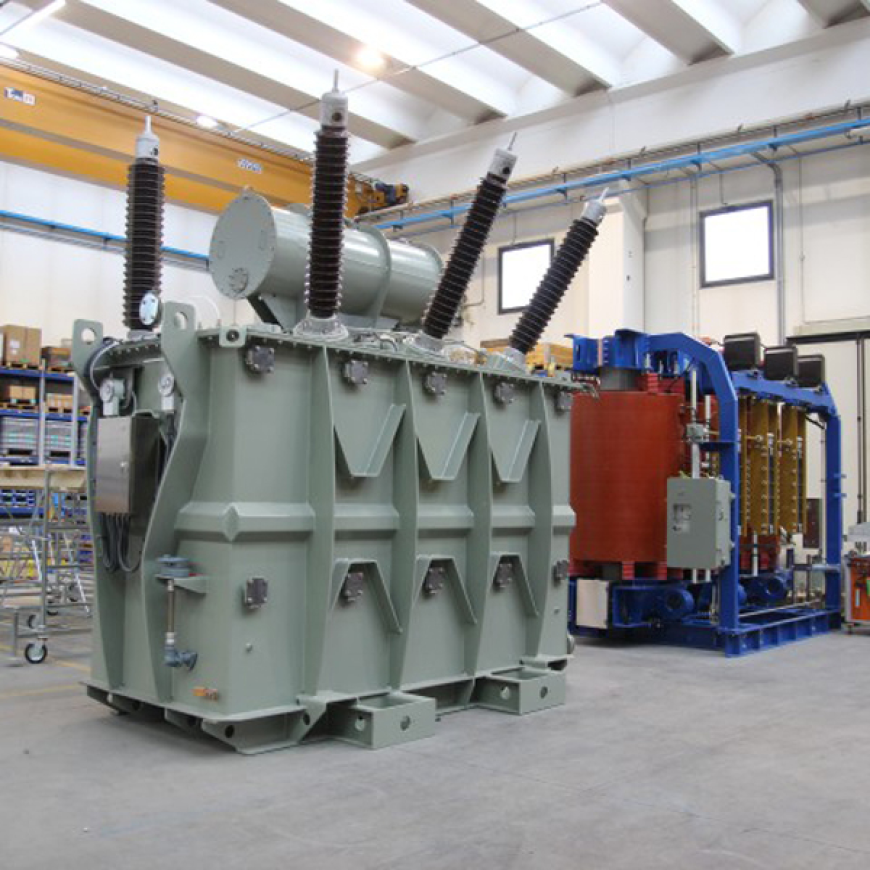
Power networks aren’t what they used to be. Demand is higher, expectations are tighter, and honestly, there’s less room for error now. Industries want efficiency, governments want sustainability, and nobody wants outages. Somewhere in the middle of all that sits the cast resin transformer in Ireland market, quietly doing a lot of heavy lifting. Not flashy, not talked about much, but critical. And yeah, if you’re building or upgrading a modern power system, these transformers start to make a lot of sense.
What Makes Cast Resin Transformers Different
Let’s not overcomplicate it. The short answer is this: cast resin transformers are dry-type units that use epoxy resin to insulate the windings instead of oil. That one change? It solves a bunch of problems at once. No oil means no leaks, no fire risk from flammable liquids, and less ongoing maintenance. They’re cleaner, safer, and more predictable in harsh environments. You don’t need to baby them as much, which is kind of the point. They also handle moisture better than people expect. Damp conditions, dusty environments, even indoor industrial setups where air quality isn’t perfect, these transformers don’t fall apart under pressure. That reliability starts to matter more the bigger your system gets.
Efficiency Isn’t Optional Anymore
Here’s the thing. Energy losses add up. Quietly, over time, they drain money and efficiency out of your entire network. Traditional transformers, especially older oil-filled ones, can be decent, but they’re not always optimized for modern load patterns. Cast resin units tend to perform better when it comes to energy efficiency. Lower losses, more stable operation under varying loads, and fewer thermal issues. It’s not magic, just better design and materials. And when you scale that across a facility or, say, a regional grid, the difference becomes pretty obvious. Less wasted energy means lower operating costs. Also means a smaller carbon footprint, which, let’s be honest, is no longer just a “nice to have.”
Safety Is Where They Really Stand Out
If you’ve ever dealt with transformer failures, you know how bad it can get. Fires, leaks, shutdowns, it’s messy and expensive. Oil-filled transformers come with inherent risks. You can manage them, sure, but you can’t remove them completely. Cast resin transformers shift that equation. No oil, no combustion risk from insulating fluids. That alone makes them a strong choice for indoor installations like hospitals, commercial buildings, or data centers. Places where downtime or fire hazards just aren’t acceptable. They’re also self-extinguishing. That’s a big deal, even if it doesn’t sound like one at first. It means in the rare case something does go wrong, it won’t escalate the same way. Containment is easier. Damage is limited.
Sustainability Isn’t Just a Buzzword Here
People throw around “green energy” like it’s a checkbox. But when you actually look at infrastructure, sustainability comes down to materials, lifespan, and efficiency. Cast resin transformers tick those boxes pretty well. No oil contamination risk. Fewer emissions tied to losses. Longer service life with less maintenance intervention. It’s not perfect- nothing is, but it’s a step in the right direction. And disposal is less of a headache too. You’re not dealing with hazardous oil cleanup or complex decommissioning processes. That matters more than people think, especially in regulated markets.
Why Transformer Suppliers in Ireland Are Leaning This Way
If you talk to transformer suppliers in Ireland right now, there’s a noticeable shift happening. Demand for dry-type transformers is growing, and not just in niche applications. It’s becoming mainstream. Part of that is regulation. Environmental standards are tighter. Fire safety rules are stricter. But part of it is just practical decision-making. Businesses don’t want the risk or maintenance burden that comes with older systems. Suppliers are adapting. More inventory, better customization options, and quicker turnaround times for cast resin units. It’s not a trend anymore; it’s becoming the baseline in a lot of projects.
Where They Fit Best in Modern Networks
Not every transformer type works everywhere. That’s just reality. But cast resin transformers cover a lot of ground. They’re ideal for urban infrastructure. Think office buildings, shopping centers, airports. Anywhere indoor installation is required or preferred. Also strong in renewable energy setups, wind farms, solar installations, where environmental conditions can be unpredictable. Industrial sites benefit too, especially where dust, chemicals, or temperature swings are common. These transformers don’t get rattled easily. They just keep going, which is exactly what you want.
The Cost Question (Because It Always Comes Up)
Let’s be real, cost matters. Upfront, cast resin transformers can be more expensive than traditional oil-filled ones. That’s usually the first objection. But that’s only half the story. Lower maintenance costs, fewer safety systems required, reduced downtime risk, it balances out over time. In many cases, it actually ends up being cheaper in the long run. You’re not constantly checking for leaks, replacing fluids, or worrying about fire suppression systems. That operational simplicity has value. Maybe not obvious on day one, but give it a year or two, you’ll see it.
Conclusion: Quiet Workhorses of a Smarter Grid
Cast resin transformers don’t get much attention. No one’s writing headlines about them. But they’re quietly becoming a key part of efficient, sustainable power networks. Trusted transformer suppliers in Ireland are seeing increased demand for these systems because they offer dependable performance with lower maintenance and improved safety. They solve real problems, safety, efficiency, environmental impact, without adding complexity. And in a world where energy systems are only getting more demanding, that matters. A lot. So yeah, they’re not perfect. Nothing is. But if you’re building for the future, or even just trying to avoid headaches down the line, they’re worth a serious look. Sometimes the smartest upgrades are the ones people barely notice.