The Importance of Backstop Netting for Spectator Safety a Game-Changer for Field Safety
A safety barrier placed in baseball stadiums behind home plate to keep errant balls out of spectator areas is called backstop netting.
 bulgarjoey
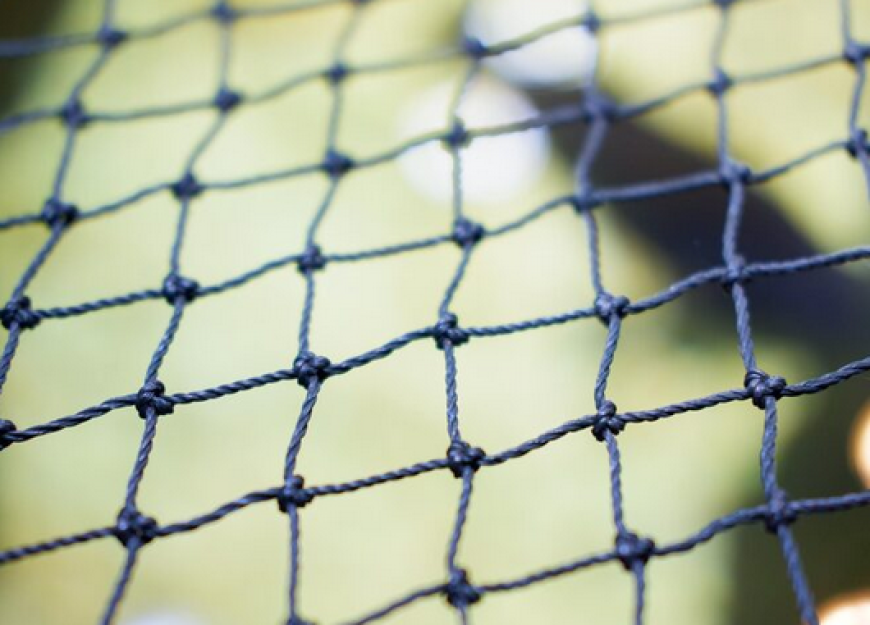
A safety barrier placed in baseball stadiums behind home plate to keep errant balls out of spectator areas is called backstop netting. It is stronger and lasts longer than ordinary fencing because it is built to resist strong impacts. It improves general field safety during games and practices and visibility by reducing barriers. To protect athletes, coaches, and spectators while maintaining good sightlines, backstop netting is frequently utilized in both recreational and professional environments.
Used Materials
The most popular premium material is nylon. Compared to poly, it is more durable, provides superior abrasion resistance, and is stronger. For use year-round outside, it is often rot-proof and UV-stabilized. Nylon with mesh sizes of 134 or 178 are often utilized for commercial backstop netting.
High-density synthetic fiber polyethylene (PE) offers excellent impact resistance and durability. It's a common option for recreational or backyard use because it's lighter and less expensive than nylon. six.
A low-cost substitute for nylon is polypropylene (Poly). Although it's not as powerful, it is still employed in situations with less impact.
Dyneema: A premium, professional-grade polyethylene fiber with outstanding strength. It offers an outstanding strength-to-weight ratio and is frequently double-knotted to make sure that no balls go through.
Safety Installation
Evaluate the Site
Determine the backstop netting height that is needed by measuring the area behind home plate (usually 20–40 feet at professional fields, but dependent on the field's dimensions and level of play).
Examine local ordinances and league regulations for the requirements for safety netting.
Select Appropriate Materials
Using a knotless structure and high-tensile, UV-resistant polyethylene or nylon netting will reduce snagging and increase durability.
Use heavy-duty galvanized steel cables and poles to survive weather and impact.
Establish a Solid Basis.
Ensure durability against strong ball impacts by setting posts firmly in concrete (often 3–4 feet below ground).
To prevent sagging, make sure the poles are spaced out properly (typically 10 to 20 feet apart).
Put in the Tension Cables
To ensure that the tension is spread equally, pass an upper cable and a bottom cable through the backstop netting.
Use turnchets or turnbuckles to tighten the netting and avoid loose places where balls could slip through or pocket.
Secure the Netting Properly
Using sturdy clamps or connections, attach netting to poles at consistent intervals (every 1-2 feet).
When practical, expand the backstop netting beyond the foul lines to encompass the dugouts and on-deck circles.
Conduct Inspections and Maintenance
Look for tears, loose connections, or rusted equipment on a regular basis.
Immediately replace any harmed portions; compromised netting may give way under sustained impact.
Modifications
Yes, backstop netting may be customized to suit different field sizes and configurations. Usually, customization options include:
The height and width are customized to the seating arrangement and specific foul-ball zones of the field.
Mesh gauge – A larger gauge for professional fields (better vision) compared to a smaller mesh for youth leagues (better ball retention).
Options range from lightweight, cost-effective polyethylene to heavy-duty vinyl-coated polyester or knotted nylon for increased durability.
Depending on field use (dedicated baseball fields vs. multi-purpose), the framework can be portable, detachable, or permanent constructions.
To minimize visual obstruction and fit in with the environment, mesh is available in black, green, or transparent.
Advantages
Property and Spectator Protection: Stops wild throws and fast foul balls, averting harm to nearby streets, structures, parking lots, and spectators.
Enhanced Visibility: Has a thinner mesh that is less visually impairing than traditional chain-link fencing, enabling spectators to enjoy a clear, unobstructed view of the game.
Reduces Time Spent Searching for Balls: Balls stay inside the practice area or yard, saving time from having to retrieve them from adjacent properties.
High Durability & Height: Uses weather-resistant, UV-treated materials (like robust nylon or polyethylene) that don't corrode and may be erected much higher than inflexible fences.
Affordability: Lowers the long-term repair and replacement expenses of rusted, dented metal fences or cracked glass.