How to Avoid Frizzy Hair: Common Mistakes and Easy Solutions
Discover how to avoid frizzy hair by identifying common mistakes and adopting simple hair care habits that support smoother, healthier-looking hair.
 westcoastshampoobars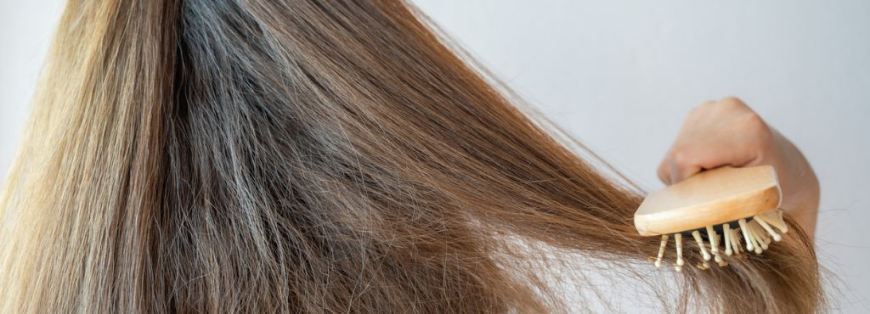
The good news is that frizz is often linked to everyday habits rather than your hair type alone. Small mistakes in your washing, drying, and styling routine can make hair more vulnerable to moisture loss and damage. By understanding what causes frizz and making a few simple changes, you can create a routine that supports smoother, healthier-looking hair.
Why Does Hair Become Frizzy?
Before learning how to prevent frizz, it helps to understand what causes it.
Hair becomes frizzy when the outer layer, known as the cuticle, lifts instead of lying flat. When the cuticle is raised, moisture from the surrounding air enters the hair shaft, causing strands to swell and lose their smooth appearance.
Several factors can contribute to this:
- Dry hair
- Humidity
- Heat damage
- Chemical treatments
- Overwashing
- Lack of moisture
- Rough handling
Because frizz often has multiple causes, managing it usually requires a combination of good hair care habits rather than a single product.
Mistake #1: Washing Your Hair Too Often
One of the most common causes of frizz is overwashing.
Frequent washing can remove the natural oils that help protect and moisturise the hair. Without those oils, strands may become dry and more susceptible to frizz.
The ideal washing frequency depends on your hair type. Dry, curly, or ageing hair often benefits from fewer washes than fine or oily hair.
Using a gentle cleanser and maintaining a consistent washing schedule can help preserve your hair's natural moisture balance.
Mistake #2: Using Harsh Cleansing Products
Not all shampoos are created equal.
Some cleansing products can leave hair feeling stripped and dry, especially if they contain ingredients that remove too much natural oil.
A quality Frizz Control Shampoo can help support moisture retention while keeping the scalp clean. The goal is to cleanse effectively without disrupting the hair's natural protective barrier.
If you're unsure which products may work best for your hair type, learning more about choosing the right anti-frizz shampoo can help you make more informed decisions.
Mistake #3: Skipping Conditioner
Many people focus heavily on shampoo and overlook the importance of conditioning.
Conditioner helps smooth the hair cuticle and replenish moisture after cleansing.
Regular conditioning can help:
- Improve softness
- Reduce tangles
- Support moisture retention
- Improve manageability
- Reduce flyaways
For people dealing with persistent frizz, conditioning is often just as important as cleansing.
Mistake #4: Drying Hair Too Aggressively
The way you dry your hair can have a significant impact on frizz.
Rubbing hair vigorously with a towel creates friction that can roughen the cuticle and contribute to flyaways.
Instead, try:
- Gently squeezing excess water from the hair
- Using a microfibre towel
- Blotting rather than rubbing
- Allowing hair to air dry when possible
These simple adjustments can help protect the hair surface and reduce unnecessary stress.
Mistake #5: Ignoring Deep Conditioning
Daily conditioner is important, but deep conditioning provides an additional layer of support for moisture-starved hair.
Deep conditioning treatments help restore hydration and improve elasticity.
Benefits include:
- Better moisture balance
- Reduced breakage
- Smoother texture
- Improved shine
- Enhanced manageability
Making deep conditioning a regular part of your routine can help support long-term hair health.
Mistake #6: Excessive Heat Styling
Heat styling tools may provide temporary smoothness, but frequent use can damage the hair cuticle over time.
When hair becomes damaged, moisture escapes more easily, leading to increased frizz.
To minimise heat-related damage:
- Use lower heat settings
- Apply heat protection products
- Reduce styling frequency
- Air dry when practical
Protecting hair from unnecessary heat exposure is one of the simplest ways to support healthier strands.
Mistake #7: Not Protecting Hair From Humidity
Humidity is one of the biggest challenges for people trying to manage frizz.
When hair lacks moisture, it often absorbs water from humid air. This can cause the hair shaft to swell and become frizzy.
Maintaining hydration is one of the most effective forms of natural frizz control. Well-moisturised hair is generally less likely to react dramatically to changing weather conditions.
Mistake #8: Using the Wrong Hair Care Products
Products that work well for one person may not work for another.
Hair texture, thickness, and moisture needs all influence how products perform.
For example:
- Fine hair may need lightweight hydration
- Thick hair may require richer moisture support
- Curly hair often benefits from enhanced hydration
- Ageing hair may need additional conditioning
Building a personalised routine usually delivers better results than following trends.
Can a Shampoo Hair Bar Help Reduce Frizz?
Many people are simplifying their routines by switching to a shampoo hair bar.
Depending on the formulation, shampoo bars can provide gentle cleansing while helping maintain moisture balance.
Because they are often concentrated and easy to use, they can be a practical option for people looking to streamline their hair care routine.
The most important factor is choosing products that support hydration and suit your individual hair needs.
Building a Healthy Hair Routine
When learning how to avoid frizzy hair, consistency matters more than perfection.
A simple routine may include:
Wash Days
- Cleanse gently
- Condition thoroughly
- Avoid overly hot water
Weekly
- Deep condition
- Assess moisture levels
- Minimise heat exposure
Daily
- Protect hair from friction
- Stay mindful of humidity
- Maintain hydration
These habits may seem small, but they often make a noticeable difference over time.
Special Considerations for Ageing Hair
As hair ages, it often becomes drier and more porous.
This can make frizz more noticeable, even for people who never struggled with it before.
If you're experiencing changes in texture, learning more about managing frizz in ageing hair can help you adapt your routine to your hair's evolving needs.
Simple adjustments such as increasing moisture and reducing overwashing can often improve manageability.
Conclusion
Understanding how to avoid frizzy hair starts with identifying the habits that contribute to dryness and cuticle damage. Overwashing, skipping conditioner, excessive heat styling, and poor moisture management are among the most common causes of frizz. By focusing on hydration, gentle cleansing, and a consistent healthy hair routine, you can help keep hair smoother and easier to manage. Whether you choose a Frizz Control Shampoo or a nourishing shampoo bar, long-term improvements usually come from small habits practiced consistently.
FAQs
1. What is the main cause of frizzy hair?
Frizz typically occurs when the hair cuticle lifts, allowing moisture from the air to enter the hair shaft. Dryness, humidity, and damage are common contributing factors.
2. Can washing hair too often cause frizz?
Yes. Frequent washing can remove natural oils that help keep hair hydrated, making it more vulnerable to dryness and frizz.
3. Does conditioner help reduce frizz?
Conditioner helps smooth the hair cuticle and support moisture retention, which can improve manageability and reduce flyaways.
4. Are shampoo bars good for frizzy hair?
A well-formulated shampoo hair bar can help cleanse gently while supporting moisture balance, making it a suitable option for many people with frizz-prone hair.
5. Can humidity make hair frizzier?
Yes. Humidity allows moisture to enter the hair shaft, causing swelling and making frizz more noticeable, particularly in dry or damaged hair.