Hair Wigs and Extensions Market Outlook: Innovations Shaping the Beauty Industry
The Global Hair Wigs And Extension Market size is expected to be worth around USD 16.5 billion by 2034, from USD 8.1 Billion in 2024, growing at a CAGR of 7.4% during the forecast period from 2025 to 2034.
 Tinu56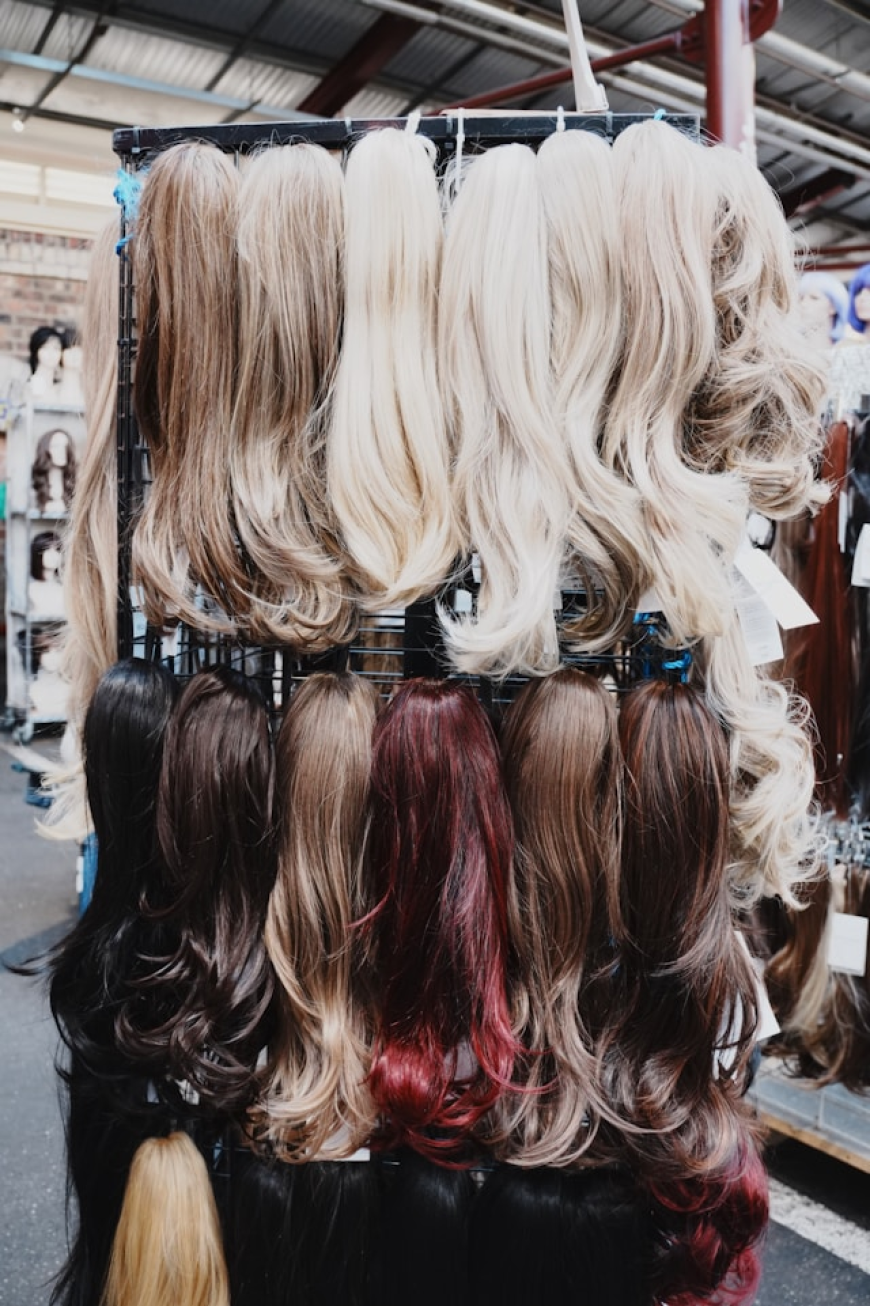
1. Hair Wigs and Extensions Market: Evolution of a Modern Beauty Category
The Hair Wigs and Extensions Market is entering a more sophisticated phase as consumers increasingly integrate hair-enhancement products into everyday beauty routines. Wigs and extensions have moved well beyond their conventional role as occasional accessories. They now occupy an important position within fashion, grooming, entertainment, and personal expression.
The appeal is straightforward yet powerful: dramatic visual transformation without waiting for natural hair to grow.
A wig can alter length, volume, color, texture, and overall silhouette almost instantaneously. Extensions provide a comparable mechanism for augmenting natural hair while preserving considerable styling flexibility.
The industry consequently encompasses an extensive assortment of products, from economical synthetic wigs to premium human-hair systems and from temporary clip-in extensions to semi-permanent application technologies.
Consumer acceptance has also improved. Social media, professional styling content, celebrity culture, and increasingly sophisticated product construction have normalized the use of hairpieces across a broad spectrum of demographics.
The market is therefore becoming less dependent on a single application or consumer segment. It is evolving into a multifaceted beauty category with distinct price tiers and highly differentiated product propositions.
2. Core Growth Catalysts in the Global Market
Rising Expenditure on Personal Grooming
The global beauty economy continues to influence consumer purchasing behavior, particularly as personal grooming becomes intertwined with lifestyle and self-presentation.
Hair is among the most visible components of personal appearance. Consumers frequently seek solutions that enhance volume, length, texture, or styling versatility.
Wigs and extensions answer these requirements without necessitating lengthy treatment cycles.
Premium beauty spending is also creating opportunities for higher-value products. Consumers willing to invest in sophisticated construction and authentic materials are encouraging manufacturers to develop products with greater durability and realism.
Demand for Instant Hairstyle Transformation
Modern lifestyles often favor convenience. Traditional hairstyling can require considerable time, specialized products, and repeated salon appointments.
Hair wigs and extensions compress that process.
A consumer can adopt an entirely different appearance in a relatively short period, making these products especially attractive for weddings, events, professional appearances, travel, photography, entertainment, and everyday styling.
The concept of reversible transformation is becoming particularly compelling.
Fashion Cycles and Changing Aesthetic Preferences
Fashion trends are inherently cyclical, and hairstyles frequently follow the same pattern. Length, color, texture, and volume trends can change rapidly.
Wigs and extensions enable consumers to participate in these cycles without committing to permanent modifications.
This flexibility encourages experimentation and supports recurring purchases as preferences evolve.
Expansion of Professional Styling Culture
Salons and professional stylists remain important market participants. They provide installation expertise, maintenance services, product recommendations, and customization.
Professional endorsement can significantly influence consumer confidence, particularly when customers are purchasing expensive human-hair products.
Partnerships between manufacturers and stylists therefore offer an effective route for product education and market penetration.
3. Product Innovation and Material Advancements
Human Hair and Synthetic Fiber Developments
Material innovation remains central to the industry's competitive landscape.
Human hair continues to command strong interest among consumers seeking natural texture, movement, and styling versatility. Premium products can be particularly attractive when consumers prioritize realism and longevity.
Synthetic fibers, however, are becoming increasingly sophisticated. Improved fiber engineering can create more convincing textures while maintaining lower price points.
This creates a broad product spectrum capable of serving both value-conscious and premium consumers.
Lace-Front and Full-Lace Wig Innovation
Lace-based construction has transformed consumer expectations regarding natural-looking wigs.
Lace-front systems can create a more convincing frontal hairline, while full-lace constructions may provide broader styling flexibility.
Manufacturers are refining lace materials, ventilation, cap structures, and attachment mechanisms to enhance comfort and realism.
Such improvements are gradually narrowing the perceptual distinction between premium wigs and natural hair.
Advanced Extension Application Systems
Hair extensions are also becoming increasingly diversified.
Clip-in systems remain attractive for temporary use because they can be installed and removed relatively easily. Tape-in and fusion systems offer alternatives for consumers seeking longer-lasting applications, while sew-in techniques remain important in many styling markets.
Innovations increasingly emphasize secure attachment, reduced visibility, ease of installation, and improved wearability.
Lightweight and Breathable Designs
Comfort is now an essential product-performance criterion.
Heavy construction, inadequate ventilation, and uncomfortable attachment systems can negatively affect user satisfaction. Manufacturers are responding with lightweight materials, breathable caps, adjustable structures, and ergonomic designs.
The industry's innovation trajectory is consequently balancing two objectives: maximum realism and minimum physical burden.
4. Changing Consumer Preferences
Increasing Demand for Natural-Looking Products
Consumers are becoming increasingly knowledgeable about hair construction and product quality. They can distinguish between varying levels of density, texture, shine, lace visibility, and hairline realism.
This sophistication is pushing brands toward more nuanced product development.
Natural movement and believable texture are increasingly considered baseline requirements in premium segments.
Preference for Customizable Solutions
Customization represents one of the industry's most promising avenues for differentiation.
Customers may seek specific lengths, densities, colors, textures, cap dimensions, or attachment mechanisms. Products designed around these preferences can create a more personalized experience.
Customization can also support premium pricing because consumers perceive greater value in solutions tailored to their individual requirements.
Focus on Comfort and Reusability
Consumers are increasingly evaluating total product value rather than simply initial purchase price.
A reusable wig or extension system that maintains its appearance through multiple applications may be more attractive than a cheaper product with a short usable lifespan.
Durability, maintenance requirements, and comfort therefore contribute significantly to perceived value.
Growing Demand for Premium Hair Products
Premiumization is particularly visible in the human-hair segment. Customers seeking highly natural appearances may be willing to pay more for superior texture, construction, density, and styling flexibility.
This trend is encouraging brands to distinguish products through provenance, craftsmanship, quality assurance, and personalized service.
5. E-Commerce and Digital Marketing Transformation
Online Marketplaces and Direct-to-Consumer Models
Digital commerce has dramatically expanded product availability.
Consumers can now compare products from different brands, regions, and price categories without visiting specialized retail locations. Direct-to-consumer models additionally allow brands to control presentation, messaging, and customer engagement.
For manufacturers, digital channels provide valuable opportunities to understand customer behavior and refine product offerings.
Social Media-Driven Product Discovery
Hair is intrinsically visual, making it exceptionally compatible with social media.
Transformation videos, installation tutorials, hairstyle inspiration, and influencer reviews can generate substantial consumer interest.
The purchasing journey can begin with entertainment and end with a transaction, creating a powerful bridge between content and commerce.
Virtual Consultations and Digital Try-On
Digital technologies are beginning to alleviate uncertainty around online purchases.
Virtual try-on tools can help consumers visualize different hair lengths, colors, textures, and styles. Digital consultations can also connect consumers with specialists who provide product recommendations.
Artificial intelligence may eventually enable more sophisticated matching based on facial characteristics, preferred hairstyles, hair texture, and lifestyle requirements.
Reviews, Tutorials, and User-Generated Content
User-generated content has become an important credibility mechanism.
Consumers frequently examine real-world demonstrations before purchasing, particularly for products where texture and appearance are difficult to evaluate from static photographs.
Brands that encourage authentic customer reviews and educational content can strengthen trust while reducing purchase hesitation.
6. Regional Market Opportunities
North America
North America remains a commercially important market because of established beauty infrastructure, strong consumer spending, extensive salon networks, and mature online retail.
Premium products, customized systems, and digital-first brands are gaining strategic attention.
Consumers are increasingly interested in products that combine convenience with natural appearance.
Europe
European markets offer opportunities for premium and design-oriented hair products.
Consumers increasingly value craftsmanship, aesthetics, durability, and responsible sourcing. Environmental considerations may also influence brand selection, particularly among younger buyers.
Regional diversity means that companies may need localized strategies rather than relying on a single standardized product portfolio.
Asia-Pacific
Asia-Pacific offers a compelling combination of manufacturing capacity, large consumer populations, expanding disposable incomes, and growing digital commerce.
The region is strategically important not only as a production center but also as an increasingly influential consumption market.
Improved manufacturing technology can support greater product consistency and innovation.
Other Emerging Regions
Latin America, the Middle East, and Africa offer additional growth possibilities as beauty consumption and digital connectivity increase.
Local preferences regarding texture, volume, styling techniques, and color can create specialized opportunities for brands with strong regional understanding.
7. Challenges Influencing Industry Development
Raw-Material Availability
The sourcing of quality hair and fibers can be complex. Human hair in particular requires careful collection, grading, processing, and quality assessment.
Supply fluctuations can influence production costs and product availability.
Manufacturers therefore need resilient procurement strategies and stronger supply-chain visibility.
Quality Inconsistencies
The broad range of products available within the market can create confusion around quality.
Variations in density, shedding, tangling, processing, construction, and durability may produce inconsistent consumer experiences.
Transparent labeling and stronger quality-control protocols can help establish greater confidence.
Counterfeiting
Counterfeit and misleadingly marketed hair products can create significant difficulties for established companies.
They may erode brand reputation and introduce consumers to inferior products that do not reflect the quality standards of legitimate manufacturers.
Authentication technologies, distinctive packaging, traceability, and strong brand recognition can help combat this problem.
Ethical Sourcing and Environmental Concerns
Ethical procurement is becoming increasingly important within the industry.
Consumers are paying greater attention to the origin and handling of human hair, while sustainability concerns are prompting scrutiny of synthetic fibers, packaging, processing chemicals, and waste.
Companies capable of demonstrating responsible sourcing and environmentally conscious production may gain a meaningful reputational advantage.
Download Your Sample Report and Explore Industry Innovations: https://market.us/report/hair-wigs-and-extension-market/request-sample/
8. Future Direction of the Hair Wigs and Extensions Market
The future of the Hair Wigs and Extensions Market is likely to revolve around four central themes: personalization, technology, premiumization, and sustainability.
Customization will become increasingly important as consumers seek products designed around their individual appearance and lifestyle. Instead of choosing from generic categories, customers may increasingly expect precise combinations of texture, density, color, length, and construction.
Artificial intelligence and virtual styling technologies could further transform product discovery. Digital systems may eventually provide highly individualized recommendations while allowing consumers to preview potential hairstyles before purchasing.
Sustainability will simultaneously become a more prominent competitive consideration. Longer-lasting products, responsible human-hair sourcing, recyclable packaging, and more efficient production methods could influence brand perception.
The competitive environment will also become more experience-driven. Companies will need to offer more than a physical hair product. They will need to provide education, customization, convenience, authenticity, and dependable after-sales support.
As beauty consumption becomes increasingly digital and personalized, wigs and extensions are positioned to evolve from conventional styling accessories into highly adaptable beauty solutions.
The companies that successfully combine advanced materials, refined craftsmanship, digital commerce, ethical sourcing, and personalized customer experiences are likely to capture the strongest opportunities in the next phase of global market development.