The Complete Guide to Portable Hyperbaric Oxygen Chamber: Safety, Sizes, and Use Cases
Learn about portable hyperbaric oxygen chamber safety, sizes, and use cases in the USA. A complete guide with real examples and buying insights.
 davidlesner
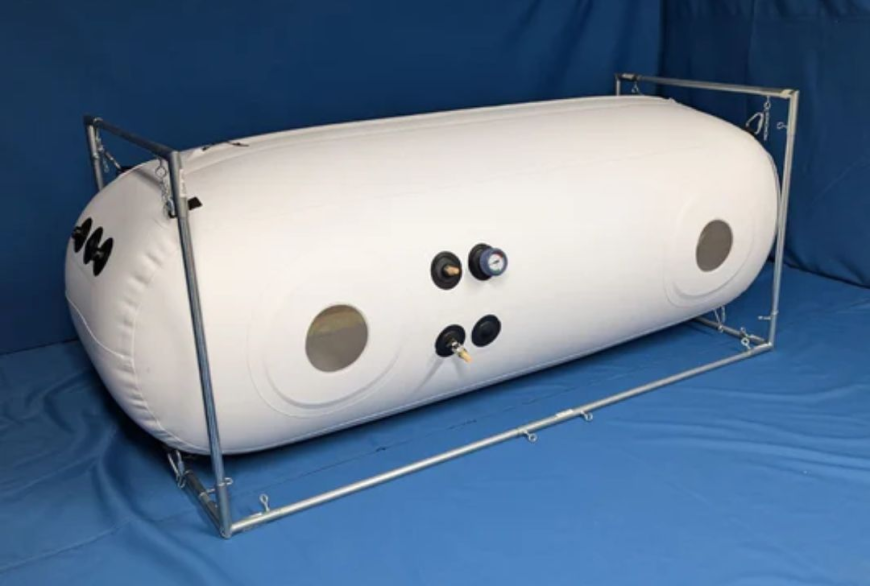
A portable hyperbaric oxygen chamber is becoming more common in wellness clinics, sports recovery centers, and even home health setups across the USA. People are increasingly looking for non-invasive ways to support recovery, wound healing, and overall oxygen delivery in the body. This trend is not just marketing driven; it is tied to real clinical applications approved in medical settings.
In hospitals, hyperbaric oxygen therapy (HBOT) has been used for decades for conditions like non-healing wounds, carbon monoxide poisoning, and radiation injuries. According to the Undersea and Hyperbaric Medical Society (UHMS), there are over 15 FDA-approved medical indications for HBOT in the United States. However, access in clinical centers can be limited, expensive, and time-consuming for patients.
This is where a portable hyperbaric oxygen chamber enters the conversation as a more flexible option. While it does not replace hospital-grade systems, it offers convenience for supervised wellness use. The demand has grown significantly in sports recovery and home wellness markets in states like California, Texas, and Florida.
In this guide, we will break down safety, sizes, real-world applications, and what you should realistically expect. We will also look at how people in the USA are using this technology in clinics and home setups.
Problem: Limited Access and High Costs in Traditional HBOT
One major challenge with traditional HBOT is accessibility. A single session in a US clinic can cost between $200 and $500 depending on location and condition being treated. Insurance may cover it only for approved conditions such as diabetic foot ulcers or radiation injuries.
Patients often require 20 to 40 sessions, which makes total treatment expensive and time-consuming. This creates a barrier for people seeking ongoing recovery or wellness benefits. Many patients in rural areas also have to travel long distances to reach certified HBOT centers.
Another issue is scheduling. Clinics operate on strict appointments, and missed sessions can delay treatment outcomes. This inconvenience has pushed many wellness users to explore home-based options, including a portable hyperbaric oxygen chamber. At the same time, misinformation online has made it difficult for consumers to understand what these devices can and cannot do. Some marketing claims exaggerate benefits, leading to confusion about realistic outcomes.
Agitation: Confusion, Marketing Claims, and Safety Concerns
The rise of home wellness technology has created both opportunity and confusion. Many people see social media influencers promoting oxygen therapy for energy, aging, and athletic performance. While oxygen plays a critical role in cellular repair, the medical evidence for non-clinical benefits is still evolving.
The FDA classifies hyperbaric chambers based on pressure and intended use. Medical-grade systems operate at higher pressures (typically 2.0 ATA or more), while consumer-grade devices usually operate at lower levels around 1.3 to 1.5 ATA. This difference is important because treatment outcomes depend heavily on pressure levels and oxygen concentration.
Safety is another concern. The U.S. Fire Administration has reported that oxygen-rich environments require strict fire safety protocols. Even a small spark can become dangerous if proper guidelines are not followed. That is why certified supervision is critical in medical environments.
Despite these concerns, interest in home-use systems continues to grow. People want convenience, privacy, and lower long-term costs. This is why the portable hyperbaric oxygen chamber market has expanded rapidly in the last five years.
Solution Overview: How Portable Systems Actually Work
A portable hyperbaric oxygen chamber works by increasing air pressure around the user while delivering oxygen at controlled levels. This process allows more oxygen to dissolve into blood plasma, which may support tissue recovery and reduce inflammation in certain medical contexts.
Unlike hospital-grade steel chambers, portable versions are usually soft-shell systems made of reinforced fabric materials. These are designed for home or wellness environments and are typically operated with an external compressor unit.
The concept behind a portable hyperbaric oxygen chamber is simple, but the engineering is precise. Pressure control systems, safety valves, and oxygen regulation units are built to maintain stable conditions during each session. Most sessions last between 60 and 90 minutes.
In the USA, wellness clinics in states like Arizona and Colorado have started offering hybrid models where patients can experience supervised sessions before considering home setups. This approach helps users understand safe operation and realistic expectations.
Safety Standards, Risks, and Medical Oversight
Safety is the most important factor when discussing hyperbaric technology. The FDA regulates hyperbaric chambers as medical devices, and only certain models are cleared for clinical use. Home units fall under different classifications and are not intended for treating medical emergencies.
Pressure limits are a key safety feature. Most portable systems operate below 1.5 ATA, which reduces risk compared to hospital chambers. However, even at lower pressure, users must follow strict guidelines regarding duration, oxygen purity, and maintenance.
Medical professionals often emphasize that hyperbaric therapy should not replace standard treatments for serious conditions. Instead, it may be used as a complementary approach under supervision. In US clinics, HBOT is commonly integrated into wound care programs rather than used alone.
Fire safety is also critical. Oxygen-enriched environments require avoiding flammable materials, electronic devices, and improper use. Training is often provided in clinics before patients are allowed to continue sessions at home.
Sizes, Types, and Market Options
Portable systems come in different sizes depending on user needs. Some are designed for single-person use, while others allow reclining positions for longer sessions. The most common format in the US market is soft-shell inflatable units used in home wellness setups.
A soft shell hyperbaric chamber for sale is often marketed toward athletes, recovery clinics, and wellness enthusiasts. These models are easier to install and require less structural space compared to hard-shell medical chambers. However, they operate at lower pressure ranges.
Hard-shell systems, on the other hand, are more durable and capable of higher pressure delivery, but they require clinical environments and professional oversight. The choice depends on intended use, budget, and medical guidance.
In recent years, wellness centers in states like Nevada and California have started offering rental programs for soft-shell units. This allows users to test a soft shell hyperbaric chamber for sale model before making a long-term investment.
Real-World Use Cases and US Market Examples
In the United States, athletes are one of the largest user groups for hyperbaric therapy. Recovery centers in Texas and Florida report increased demand among football players and endurance athletes. They use oxygen therapy as part of recovery routines after intense training sessions.
Some wound care clinics in the Midwest also integrate HBOT into treatment plans for diabetic ulcers. According to CMS data, diabetic foot ulcers affect nearly 18 million Americans, making it a significant medical concern. HBOT is one of several approved therapies used in these cases.
A portable hyperbaric oxygen chamber is also used in home wellness environments by individuals recovering from fatigue or post-surgery rehabilitation. While results vary, users often report improved rest and recovery when combined with proper medical care.
In this growing market, a soft shell hyperbaric chamber for sale is often chosen by small wellness businesses that want to expand service offerings without building full medical infrastructure. This has created a new segment in the US health tech industry.
Buying Considerations and Final Thoughts
Before purchasing, buyers should evaluate pressure range, certification, warranty, and support services. Not all devices on the market meet medical safety standards, so due diligence is essential. Consulting a healthcare professional is strongly recommended before starting any therapy.
Maintenance is another factor often overlooked. Filters, compressors, and seals require regular inspection to ensure safe operation. Many US suppliers offer service packages to support long-term use.
Cost varies widely depending on features, ranging from a few thousand dollars for entry-level wellness units to significantly higher prices for advanced systems. Buyers should balance budget with intended use rather than focusing only on marketing claims.
Conclusion
A portable hyperbaric oxygen chamber offers a flexible option for individuals seeking oxygen-based wellness support outside clinical environments. While it is not a replacement for medical treatment, it has a growing role in recovery and wellness applications across the USA.
As interest continues to rise, understanding safety, sizing, and realistic expectations becomes essential. Whether exploring clinical therapy or home wellness use, informed decisions lead to better outcomes and safer experiences.