The Complete Guide to Maintaining Healthy Bones After 40
 Drarchishmandas
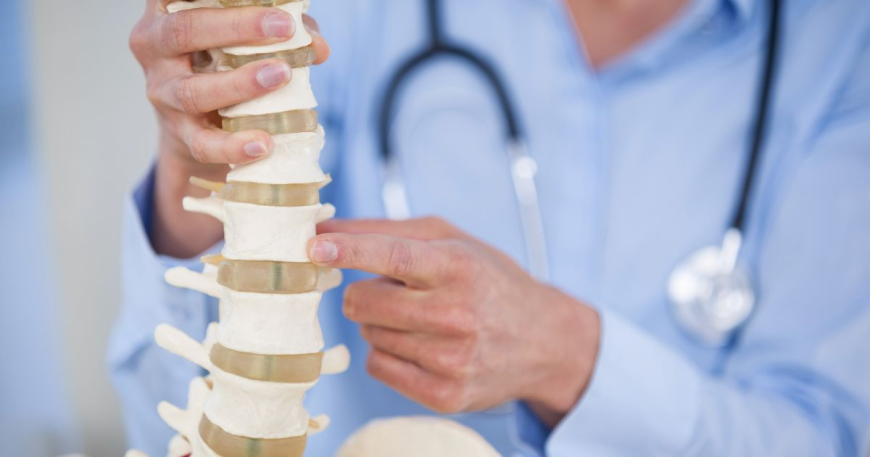
Ever wondered why some people stay active and strong even after 40, while others struggle with weak joints or sudden fractures? The secret lies in one simple thing — healthy bones. Just like a house needs a strong foundation, your body needs strong bones to keep you moving, lifting, and living life to the fullest!
As we age, our bones naturally lose strength and density. But here’s the good news — you can protect your bones and keep them strong for decades with the right habits. Let’s explore how to maintain bone health after 40, prevent osteoporosis, and build lifelong strength.
Why Bone Health Matters After 40
Bones are living tissues that constantly rebuild themselves. However, after the age of 40, this rebuilding process slows down. Calcium, vitamin D, and hormones like estrogen and testosterone — which help keep bones strong — begin to decrease.
This means your bones can become thinner, weaker, and more likely to break. That’s why paying attention to bone health after 40 is so important — not just for avoiding fractures, but for staying active and independent as you age.
1. Eat Bone-Friendly Foods
Your diet plays a major role in keeping your bones healthy. Here are the most important nutrients your bones love:
Calcium
Calcium is the main building block of your bones. Adults over 40 need about 1,000–1,200 mg of calcium per day.
Best sources:
-
Milk, yogurt, and cheese
-
Almonds
-
Leafy greens like spinach and kale
-
Tofu and fortified plant milks
Vitamin D
Vitamin D helps your body absorb calcium. Without it, your bones can become weak even if you eat enough calcium.
Get it from:
-
Morning sunlight (10–15 minutes a day)
-
Fatty fish like salmon or tuna
-
Eggs and fortified foods
Protein
Protein makes up about one-third of bone mass. Include lean meats, lentils, beans, nuts, and dairy in your meals.
2. Stay Active – Move to Strengthen Your Bones
Bones love movement! Regular exercise helps your body build and maintain bone density.
Try these bone-strengthening activities:
-
Weight-bearing exercises: Walking, jogging, climbing stairs, or dancing.
-
Strength training: Lifting light weights or using resistance bands.
-
Balance exercises: Yoga and tai chi help prevent falls that can cause fractures.
Aim for at least 30 minutes of exercise most days of the week. Remember, it’s never too late to start!
3. Avoid Bone-Damaging Habits
Certain lifestyle habits can silently harm your bones. Here are a few to watch out for:
-
Smoking: It reduces calcium absorption and weakens bone tissue.
-
Excessive alcohol: Too much alcohol interferes with vitamin D and calcium balance.
-
High caffeine or soda intake: These can reduce calcium in your bones.
Making small lifestyle changes — like cutting down on alcohol or switching from soda to milk — can go a long way in preserving bone health after 40.
4. Get Regular Bone Density Tests
Bone loss can happen silently — you may not notice it until a fracture occurs. That’s why doctors recommend bone density tests (DEXA scans) after 40, especially for women after menopause.
These tests measure the strength and thickness of your bones. If your bone density is low, your doctor may suggest supplements or medications to help slow bone loss.
5. Manage Hormonal Changes
After 40, especially for women, hormone levels like estrogen start to decline. Estrogen plays a big role in maintaining bone strength. A drop in estrogen can lead to osteoporosis, a condition where bones become fragile and break easily.
Men can also experience reduced testosterone, which can weaken bones.
Talk to your doctor if you’re experiencing hormonal changes — they may suggest dietary adjustments, lifestyle changes, or treatments to balance your hormones naturally.
6. Maintain a Healthy Weight
Being too thin or overweight can both affect your bones.
-
Underweight individuals have lower bone mass and are more prone to fractures.
-
Overweight individuals put extra stress on joints like knees and hips.
A balanced diet with regular exercise helps you stay at a healthy weight and supports bone strength.
7. Be Careful with Medications
Some medications — like steroids, thyroid drugs, or certain antidepressants — can weaken bones if used long-term.
If you’re taking any of these, talk to your doctor about how to protect your bones. They might recommend additional calcium, vitamin D, or alternative medications.
8. Prevent Falls — Protect Your Bones
Most bone fractures happen because of falls, especially in adults over 40.
Here are some easy ways to stay safe:
-
Keep floors clutter-free.
-
Install grab bars in bathrooms.
-
Wear comfortable, non-slip shoes.
-
Make sure your home is well-lit.
Strong bones and good balance go hand in hand when it comes to preventing injuries.
9. Consider Supplements Wisely
Sometimes, even a healthy diet may not give you enough calcium or vitamin D. In such cases, supplements can help — but only with your doctor’s guidance.
Over-supplementing can be harmful, so always follow medical advice for the right dosage.
10. Seek Medical Help for Any Bone Pain or Fracture
Even a small fall or ache shouldn’t be ignored after 40. It could be a sign of weakening bones or early osteoporosis.
If you ever face a bone injury or fracture, prompt care ensures faster healing. For example, if you’re in North Bengal and need expert care, you can find advanced Fracture Treatment In Siliguri from experienced orthopedic specialists who focus on both recovery and long-term bone health.
Bonus Tips for Everyday Bone Strength
-
Drink plenty of water to keep your joints healthy.
-
Include nuts and seeds for magnesium and zinc — both support bone strength.
-
Get enough sleep; your body repairs itself at night.
-
Laugh and relax — stress hormones can negatively affect bone health too!
Conclusion
Your bones carry you through every stage of life — walking, working, dancing, and enjoying precious moments with your loved ones. After 40, taking care of them is not just about avoiding fractures — it’s about staying strong, confident, and independent for years to come.
With the right food, regular exercise, and a few mindful habits, you can keep your bones young, healthy, and unbreakable — no matter your age!