Serengeti Safari 2026-27: Complete Migration Safari Guide for Tanzania Travelers
Explore the complete migration safari guide for a Serengeti Safari 2026-27 and discover how the Great Migration shapes wildlife encounters in Serengeti National Park. This blog covers the Wildebeest Migration cycle, best travel seasons, and essential Tanzania travel tips to help you plan a well-organized Tanzania safari with confidence.
 Ketsafaris
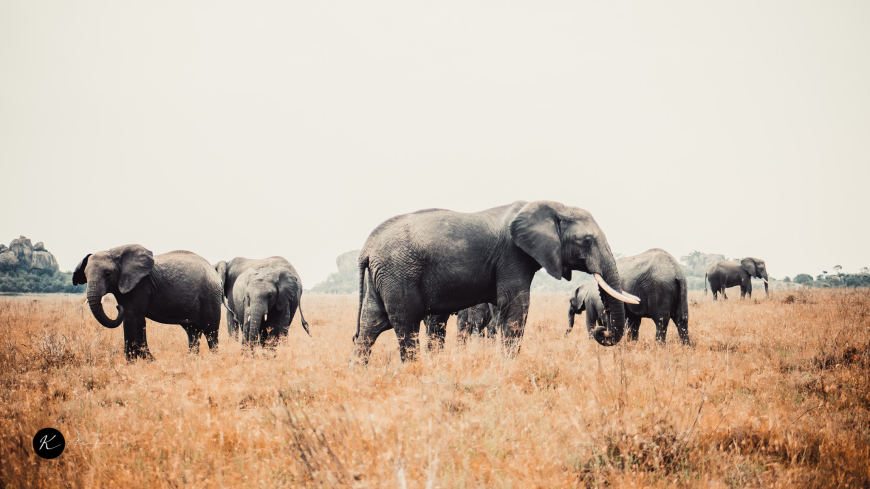
Organizing a Serengeti safari in 2026–2027 is a fantastic way to see the Great Migration, one of nature's most amazing occurrences. Millions of gazelles, zebras, and wildebeests travel over enormous plains every year in quest of new grazing territory. Knowing seasonal trends and preparation advice is crucial for tourists looking for a genuine Tanzania safari. This comprehensive migratory safari guide describes what to anticipate, when to go, and how to arrange memorable Serengeti wildlife experiences.
Understanding the Great Migration in Serengeti National Park
Wildlife travels continuously in a circle between Tanzania and Kenya as part of the Great Migration. Serengeti National Park, a UNESCO-listed habitat renowned for its vast savannahs and flourishing predator populations, sits in the center of this natural display.
The Wildebeest Migration Cycle
The calving season in the southern Serengeti plains, which lasts from January to March, is usually when the wildebeest migration starts. Thousands of calves are born every day during this period, drawing predators and producing striking animal displays. Herds travel through the park's central and western corridors from April to June before arriving in the northern Serengeti in July or August.
River crossings at the Mara and Grumeti Rivers often occur between July and October. These crossings are among the most anticipated moments of any Serengeti Safari 2026-27, as animals brave crocodile-filled waters in dramatic fashion.
Why Choose a Tanzania Safari for 2026-27
Beyond seeing migrants, a Tanzanian safari offers diversity. The nation offers a variety of landscapes, cultural experiences, and protected regions. However, because of its year-round wildlife density, the Serengeti continues to be the main attraction for many tourists.
Wildlife Encounters in Serengeti
Wildlife encounters in Serengeti are not limited to migrating herds. Lions, cheetahs, leopards, elephants, giraffes, and buffalo roam the plains throughout the year. The predator-prey interaction during the Wildebeest Migration creates exceptional photography opportunities and memorable game drives.
Usually, game drives are led by knowledgeable guides in specially designed 4x4 safari vehicles. Every wildlife sighting is enhanced by their tracking abilities and comprehension of animal behavior. Selecting experienced operators guarantees improved positioning during migration movements for customers organizing a Serengeti safari in 2026–2027.
Migration Safari Guide: Best Time to Visit
Selecting the right month is crucial when organizing a Serengeti Safari 2026-27. Since the Great Migration follows rainfall patterns, movement varies slightly each year.
January to March: Calving Season
This period is ideal for travelers interested in newborn animals and predator activity. The southern Serengeti becomes a focal point for wildlife photography and educational safaris.
June to October: River Crossings
In northern Serengeti National Park, July through September are the best months to see stunning river crossings. However, early reservations are advised because this is also the busiest period of the year for travel.
November to December: Transitional Movement
During short rains, herds gradually return south, providing quieter viewing experiences and fewer crowds.
This migration safari guide emphasizes flexibility. Since wildlife movement depends on weather conditions, itineraries should allow room for adjustment.
Essential Tanzania Travel Tips for a Successful Safari
Careful preparation enhances the quality of any Tanzania safari. Following practical Tanzania travel tips ensures comfort, safety, and smooth logistics.
Packing and Clothing
Neutral-colored clothing, lightweight layers, and comfortable footwear are recommended. Mornings can be cool, while afternoons are warm. Binoculars and camera equipment are essential for capturing wildlife encounters in Serengeti.
Health and Documentation
Travelers should confirm visa requirements and recommended vaccinations before departure. Comprehensive travel insurance is also advised for international safaris.
Accommodation Choices
From luxury lodges to tented camps, accommodation options vary across Serengeti National Park. Mobile migration camps are especially popular during the Wildebeest Migration, as they move seasonally to follow herd patterns.
Planning Your Serengeti Safari 2026-27
When organizing a Serengeti Safari 2026-27, selecting experienced safari planners makes a significant difference. A well-designed itinerary should balance migration viewing with other highlights such as Ngorongoro Crater or Tarangire National Park.
Professional operators coordinate park fees, transfers, and lodging reservations, ensuring seamless travel across northern Tanzania. Whether focusing primarily on the Great Migration or combining multiple destinations, strategic planning maximizes wildlife sightings and overall comfort.
Conclusion
A Serengeti Safari 2026-27 presents a rare opportunity to witness the legendary Great Migration and experience extraordinary wildlife encounters in Serengeti. From the dramatic river crossings to the calving season in southern plains, every stage of the wildebeest migration offers unique perspectives.
Travelers may be ready for a secure and fulfilling journey to Serengeti National Park by adhering to trustworthy Tanzania travel advice and speaking with a reputable migration safari guide. A Tanzania safari in 2026–2027 delivers breathtaking scenery, a wide variety of species, and enduring memories in one of Africa's most famous ecosystems with careful preparation and seasonal knowledge.