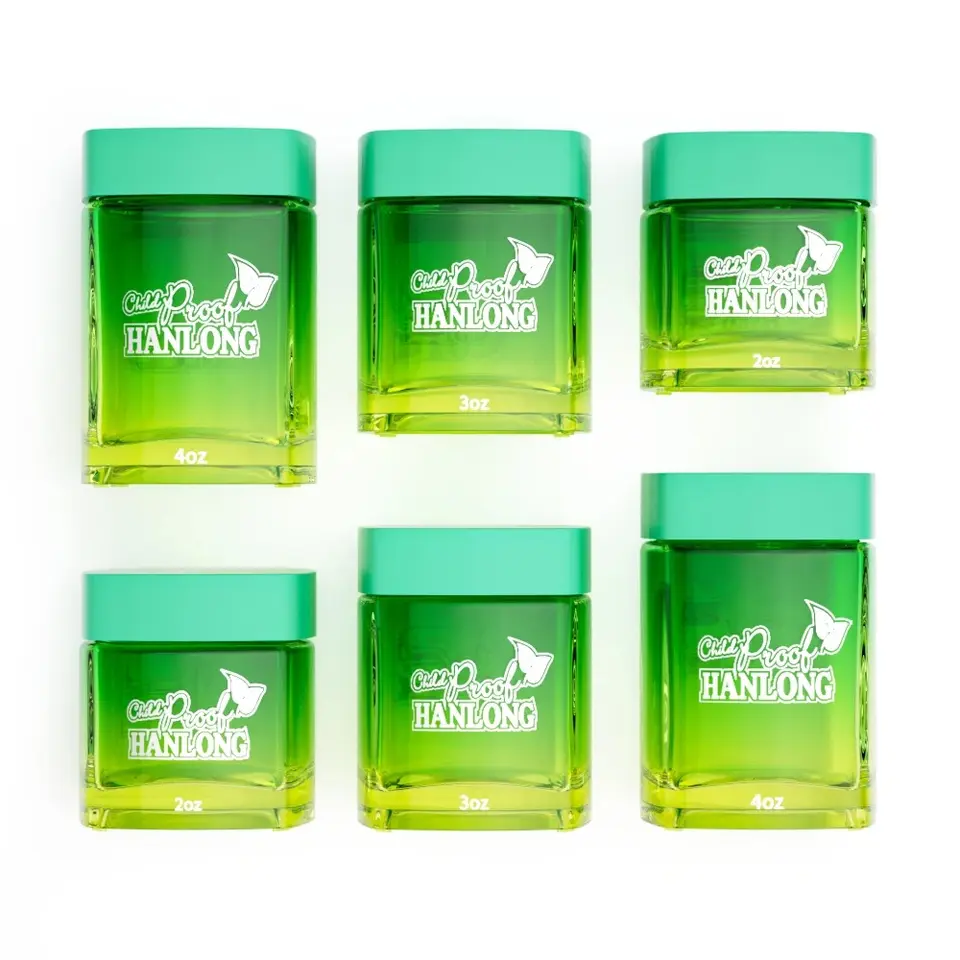
Smell Proof Jars That Lock in Aroma and Style
Keep your products fresh and stylish with our smell proof jars, designed to lock in aroma while offering sleek, durable packaging.
 siagray
The first time a client walked into my office with a prototype for a high-terpene botanical product, they weren’t worried about branding. They were worried about the elevators. They had transported a batch in "standard" airtight containers, and by the time they reached the 4th floor, the entire lobby smelled like a harvest festival.
In the packaging fulfillment world, "airtight" is a marketing term, but hermetic is a technical reality. When we discuss Smell Proof Jars, we aren't just talking about keeping odors in; we are talking about managing molecular volatility and shelf-life integrity. If you can smell the product from outside the jar, your product is actively degrading.
The Science of Volatile Organic Compounds (VOCs)
To understand why most jars fail, you have to look at how aromas travel. Odors are carried by Volatile Organic Compounds (VOCs). These molecules are tiny, energetic, and designed by nature to escape into the atmosphere.
Standard plastic threading even if it feels tight often has microscopic gaps. Over time, pressure differentials between the inside and outside of the jar "push" these molecules through the threading. A true professional-grade solution requires a multi-layered approach:
-
Material Density: Borosilicate glass or double-walled coated polymers are non-porous. Unlike cheap plastics, they don't absorb oils or allow "ghosting" (where the scent lingers in the packaging after the product is gone).
-
The Gasket Interface: This is the most common point of failure. A simple foam liner isn't enough. High-end Smell Proof Jars utilize silicone O-rings or PTFE-lined gaskets that create a physical compression seal.
-
Light Protection: UV rays break down organic compounds, creating "skunky" off-gasses. Use violet glass or opaque coatings to ensure the chemistry inside remains stable.
The Fulfillment Perspective: Style Meets Scalability
In my years managing fulfillment lines, I’ve seen brands choose stunning jars that were an absolute nightmare to move through an automated capper. If your jar has a unique, geometric shape that looks great on Instagram but can’t be gripped by a standard torque machine, your labor costs will skyrocket.
IBEX Packaging is a name that often comes up in these consultations because they understand the bridge between custom aesthetics and structural viability. You need a container that fits the "boutique" aesthetic but possesses the neck finish consistency required for high-speed filling lines.
Common Mistakes: Where Brands Lose Money
After auditing dozens of supply chains, I see the same two errors repeated:
-
Over-Reliance on Secondary Packaging: Many brands buy cheap jars and then try to hide the odor leak by putting them in heat-sealed Mylar bags. This is a "Band-Aid" fix. It doubles your packaging waste, increases shipping weight, and tells the customer that your primary vessel isn't up to the task.
-
Ignoring "Headspace" Dynamics: If you put a small amount of product in a massive jar, the oxygen trapped inside will accelerate oxidation. The "smell-proof" nature of the jar won't matter if the product inside turns stale within a week.
Consultant’s Opinion: I firmly believe that "Child-Resistant" (CR) mechanisms are often the enemy of a good seal. Many CR caps prioritize the locking clicking mechanism over the actual gasket compression. When selecting Smell Proof Jars, always test the "seal-to-torque" ratio does it actually feel tight, or is it just clicking?
The Shift Toward Sustainable Sophistication
The industry is moving away from the "industrial clinical" look. Today’s consumer wants their Smell Proof Jars to look like high-end apothecary items. We are seeing a massive surge in matte soft-touch finishes, bamboo lid overlays, and minimalist silk-screening.
However, "style" must be functional. From a logistics standpoint, glass is heavy and fragile. If you’re a DTC (Direct-to-Consumer) brand, you need to calculate the breakage rate. I’ve seen brands lose 15% of their margin because they chose a beautiful thin-walled glass jar that couldn't survive a 3-foot drop in a corrugated mailer. If you want style, go for thick-walled "heavy base" glass. It feels premium in the hand, offers better thermal insulation for the product, and survives the rigors of the postal service.
Technical Checklist for Procurement
If you are currently sourcing Smell Proof Jars, stop looking at the price per unit for a moment and ask your supplier for these three things:
-
Leach Testing Reports: Ensure the container material doesn't react with the terpenes or oils in your product.
-
Torque Specs: Know exactly how much force is needed to achieve a hermetic seal.
-
Vacuum Retention: Ask if the jars have been tested for pressure changes, especially if you are shipping via air freight where cabin pressure can cause "leaky lid" syndrome.
Conclusion
I often tell my clients: "Your packaging is the only piece of marketing that your customer takes home and touches every day."
If a customer opens their drawer and smells your product before they even touch the jar, you haven't created a "potent" brand, you've created a nuisance. A high-quality smell-proof container is an insurance policy for your brand's reputation. It preserves the flavor profile, maintains the potency, and ensures that the "unboxing" experience remains sophisticated rather than pungent.
The Bottom Line: Don’t skimp on the gasket. The difference between a $0.50 jar and a $0.80 jar is often the difference between a repeat customer and a one-star review. Invest in Smell Proof Jars that treat your product like the premium commodity it is.