Single-Stage HVAC or Two-Stage HVAC: Which One Should You Choose?
When it comes to heating and cooling, homeowners and building managers face a critical choice: single-stage HVAC or two-stage HVAC systems. The right
 arisblog
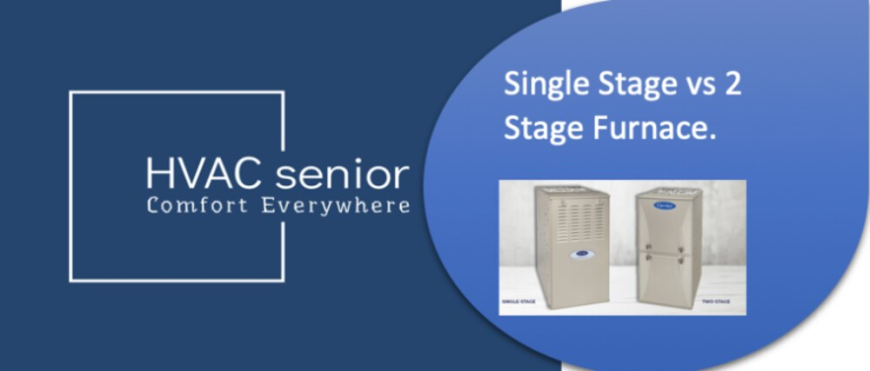
When it comes to heating and cooling, homeowners and building managers face a critical choice: single-stage HVAC or two-stage HVAC systems. The right decision impacts not only comfort but also long-term energy costs, system performance, and indoor air quality. Understanding the differences between these systems is key to making an informed investment.
Visit our website: service ac jakarta
What Is a Single-Stage HVAC System?
A single-stage HVAC system operates with one level of output—either on or off. When the thermostat signals for heating or cooling, the unit runs at full capacity until the desired temperature is reached, then it shuts down.
Key Characteristics
- Simple design: Fewer components, easier to install and maintain.
- Lower upfront cost: Typically more affordable than two-stage models.
- Full-power operation: Runs at maximum output every cycle.
Best Fit
- Single-stage HVAC systems are most suitable for:
- Smaller homes or apartments.
- Buildings in regions with relatively mild climates.
- Owners prioritizing a lower initial investment.
What Is a Two-Stage HVAC System?
A two-stage HVAC system has two levels of operation: high and low. On milder days, the system runs at the lower stage to maintain consistent comfort. On extremely hot or cold days, it switches to the higher stage for maximum performance.
Key Characteristics
- Efficiency advantage: Consumes less energy by running at partial capacity most of the time.
- More consistent comfort: Maintains even indoor temperatures with fewer hot and cold spots.
- Quieter operation: Lower-stage operation reduces noise during most cycles.
Best Fit
- Two-stage HVAC systems work best for:
- Larger homes or multi-room buildings.
- Regions with extreme temperature swings.
- Owners focused on long-term energy savings and premium comfort.
Comparing Single-Stage and Two-Stage HVAC
When weighing options, consider the following factors:
1. Cost
Single-Stage: Lower upfront cost, but higher long-term energy bills.
Two-Stage: Higher purchase and installation costs, but improved efficiency reduces operating expenses.
2. Energy Efficiency
Single-Stage: Always runs at full power, often leading to wasted energy.
Two-Stage: Runs at lower capacity most of the time, using less energy overall.
3. Comfort Control
Single-Stage: May cause temperature fluctuations due to frequent on-off cycling.
Two-Stage: Provides steady, balanced heating and cooling.
4. Noise Levels
Single-Stage: Louder, since the unit always runs at full capacity.
Two-Stage: Quieter during low-stage operation.
Long-Term Value Considerations
While single-stage systems attract budget-conscious buyers, two-stage HVAC systems generally offer better long-term value. The lower energy consumption can lead to significant savings on utility bills, especially in larger buildings or areas with demanding climates. Additionally, consistent performance reduces system strain, which may extend the unit’s lifespan.
For property managers and homeowners planning to stay in their space for years, the investment in two-stage technology often pays off over time.
Making the Right Choice for Your Building
Here are some practical guidelines to help with the decision:
Budget-Conscious Buyer: Choose single-stage if upfront affordability is the priority and climate conditions are moderate.
Energy-Savvy Buyer: Choose two-stage if long-term efficiency, lower utility bills, and consistent comfort matter more than the initial price tag.
Large Homes and Commercial Spaces: Two-stage systems are generally the smarter choice due to their ability to handle variable loads without wasting energy.
Final Thoughts
Selecting between a single-stage HVAC system and a two-stage HVAC system comes down to balancing budget, comfort expectations, and energy efficiency goals. A single-stage unit is reliable, straightforward, and affordable, while a two-stage system delivers superior comfort and efficiency at a higher upfront cost.
Before making a purchase, consult with a qualified HVAC professional who can evaluate your building size, local climate, and long-term usage needs. With the right guidance, you can choose a system that maximizes comfort, minimizes costs, and keeps your indoor environment consistently comfortable.