Sewer Line Repairs in Lancaster County | Tri-County Water
Need sewer line repairs in Lancaster County? Learn the warning signs, repair vs. replacement options, and get an upfront estimate from Tri-County.
 tricounty011
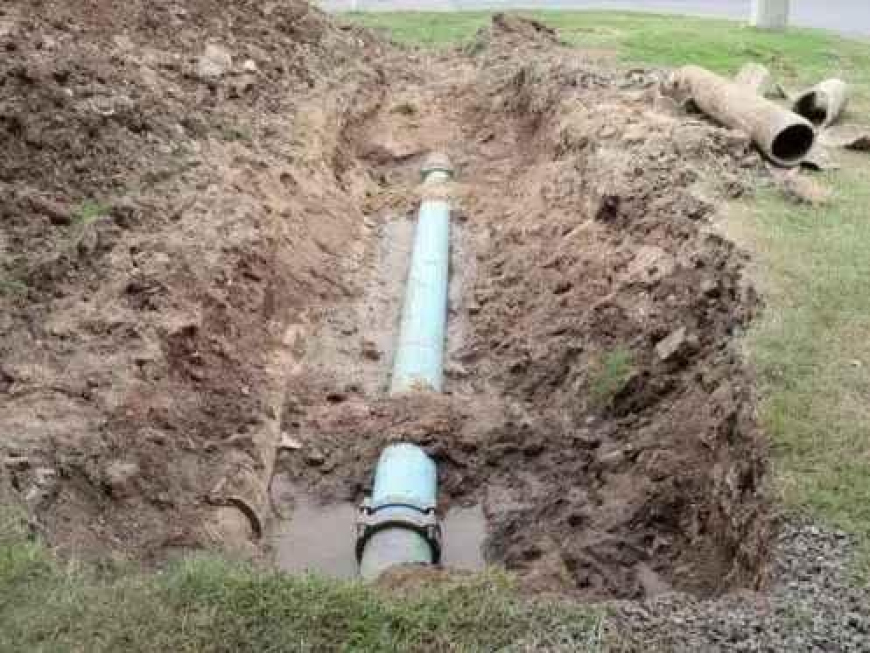
Sewer Line Repair vs. Replacement in Lancaster County: How to Decide
Your sewer line handles one of the most important, least-visible jobs in your home: moving wastewater safely out and away. When something goes wrong with it, the disruption can be significant — and homeowners are often left wondering whether they're facing a straightforward sewer line repair or a full replacement. Making the right call early can save you real money and prevent a much bigger mess down the road.
This guide walks through the warning signs, the factors that determine which option makes sense, and what to expect from the repair and replacement process itself.
Warning Signs You Shouldn't Ignore
Sewer line problems rarely show up out of nowhere. Catching these signs early is what keeps a manageable issue from becoming a structural emergency.
Frequent clogs and slow drains. If plunging your toilet or sink has become a regular chore, or multiple fixtures throughout the house are draining slowly at the same time, that's usually a sign of a problem in the main line rather than an isolated fixture issue.
Sewage backups. A backup every time you flush or run water is a strong indicator your main sewer line needs attention. If the backup is limited to a single drain, the issue is more likely isolated to that fixture.
Sewer gas odors. A persistent smell inside your home or in the yard often points to a cracked or leaking pipe somewhere in the system.
Unexplained wet spots or lush patches in the yard. A leaking line can saturate the surrounding soil, creating soggy areas or unusually green grass above the pipe's path.
A sudden spike in water usage. If your water bill jumps with no obvious explanation, a hidden leak in the line is worth investigating.
If you notice any of these, a professional sewer inspection is the right next step to determine whether repair or replacement is actually needed.
Repair or Replacement? What Determines the Right Call
Repair is usually the right choice when the damage is limited. Small cracks, localized clogs, or early-stage tree root intrusion can typically be resolved with targeted repair techniques rather than replacing the entire line.
Replacement becomes necessary when the damage is extensive. Collapsed pipes, significant corrosion, or roots that have already broken through multiple sections of pipe usually require full sewer line replacement to avoid repeat failures.
Pipe age and material matter. Older sewer systems — especially those built from clay tile, cast iron, or Orangeburg pipe, all common across older homes in Lancaster and Chester Counties — are more prone to breakdown. If your line is made from one of these materials and is showing multiple symptoms at once, replacement is often the more cost-effective long-term option, even if a repair could technically patch the immediate issue.
Recurring problems are a signal, not a coincidence. If chemical cleaners or a professional cleaning only fix a slow drain for a few days before it slows again, that cycle usually means the underlying problem is deeper than a simple clog — often a sign of a compromised pipe that needs structural attention, not repeated maintenance.
A video camera inspection is the most reliable way to determine which category your situation falls into. It lets a technician see exactly where the damage is, how extensive it is, and whether the surrounding pipe is healthy enough to support a repair rather than a full replacement.
How Sewer Line Repairs Work
Not every sewer line problem requires digging up your entire yard. Many sewer line repairs today use trenchless methods, which fix the pipe through small access points rather than a long, disruptive trench.
The process typically starts with a camera inspection to pinpoint the exact location and cause of the problem — whether that's a crack, root intrusion, or a partially collapsed section. From there, technicians dig small access points at each end of the damaged section rather than trenching the whole yard.
Depending on the extent of the damage, the repair itself may involve relining the interior of the existing pipe or, in more damaged sections, breaking apart the old pipe and pulling a new one through in its place. Either approach limits disruption to your landscaping, driveway, or hardscaping compared to traditional full-length excavation.
When Full Replacement Makes More Sense
Trenchless repair isn't always appropriate. When a pipe has completely collapsed, has significant sagging ("bellied") sections, or the pipe diameter isn't compatible with lining or bursting techniques, a conventional sewer line replacement is usually the more reliable long-term fix.
A good sewer contractor will walk you through both options honestly rather than automatically recommending the more expensive path. If your camera inspection reveals conditions that make a targeted repair impractical, replacement gives you a clean, structurally sound system rather than a patch that risks failing again in a year or two.
Preventing Future Sewer Line Problems
Once your sewer line has been repaired or replaced, a few habits go a long way toward avoiding a repeat issue:
-
Watch what goes down the drain. Grease, in particular, looks liquid going down but solidifies on pipe walls, narrowing the line over time until it closes off entirely.
-
Be mindful of nearby tree roots. Mature trees are common across Lancaster and Chester County properties, and roots naturally follow moisture, often finding their way into small cracks or loose pipe joints.
-
Don't rely on chemical drain cleaners for recurring issues. They typically only clear surface-level buildup near the drain opening, which can create a false sense that the problem is solved while a deeper clog continues to grow.
-
Schedule a video inspection periodically, especially for older homes, to catch small issues before they become structural.
Why Choose Tri-County Water Services for Sewer Line Repairs
Tri-County Water Services proudly serves homeowners across Berks, Lancaster, Chester, and Delaware Counties for sewer line repairs, sewage line replacement, and complete sewer system service. Our technicians use video inspection technology to accurately diagnose exactly what's happening in your line before recommending a course of action — so you're never guessing whether repair or replacement is the right call.
We handle everything from main sewer line clog repairs to full sewage line replacement, backed by upfront cost estimates before any work begins. If your drains are backing up, running slow, or you've noticed any of the warning signs above, don't wait for a small problem to become a structural emergency.
Get a Professional Sewer Line Diagnosis Today
If you're experiencing gurgling drains, recurring backups, or any signs of a failing sewer line, Tri-County Water Services can inspect your system and give you a clear, honest recommendation on repair versus replacement. Contact us to schedule a video inspection and get an upfront estimate for whatever sewer line repairs your home needs.
Read More: Sewer Line Repair vs. Replacement in Lancaster County: How to Decide
Frequently Asked Questions
1. How do I know if I need a sewer line repair or full replacement?
A camera inspection is the most reliable way to tell. Small cracks, localized clogs, or early root intrusion usually only need repair, while collapsed pipes or extensive corrosion typically call for replacement.
2. What are the warning signs of a failing sewer line?
Frequent clogs, sewage backups, sewer gas odors, unexplained wet or lush spots in the yard, and unusual spikes in water usage are the most common signs.
3. Is trenchless sewer line repair less disruptive than traditional methods?
Yes. Trenchless repair uses small access points at each end of the damaged section instead of digging up the entire yard, which limits damage to landscaping and hardscaping.
4. Why are older homes in Lancaster County more prone to sewer line issues?
Many older properties still have clay tile, cast iron, or Orangeburg pipe, all of which are more susceptible to cracking, corrosion, and root intrusion than modern materials.
5. Can tree roots really damage a sewer line?
Yes. Roots follow moisture and can grow into small cracks or loose pipe joints. Left unaddressed, root intrusion can progress to a full pipe collapse.
6. Why do chemical drain cleaners only provide temporary relief?
They typically clear only surface-level buildup near the drain opening rather than reaching the actual blockage deeper in the line, which is why the problem often returns within days.
7. What counties does Tri-County Water Services serve for sewer line repairs?
We provide sewer line repair and replacement services throughout Berks, Lancaster, Chester, and Delaware Counties.