Retail Center Security in Phoenix: What Property Managers Should Expect from Providers
 providers-international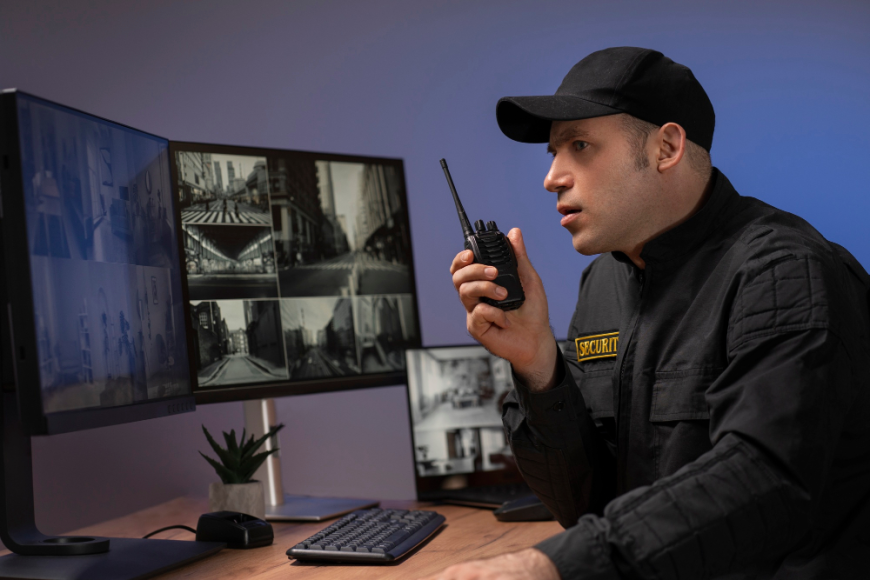
Phoenix retail centers face persistent security challenges. Vehicle break-ins in parking lots. Shoplifting that overwhelms individual store loss prevention. Loitering that makes customers uncomfortable. Occasional confrontations that escalate beyond what retail staff can handle.
Property managers are responsible for common areas, parking structures, and the overall environment that tenants and shoppers experience. Effective security protects property, supports tenant retention, and maintains the customer experience that drives revenue.
Here is what Phoenix retail property managers should expect from security providers.
Visible Presence That Deters Problems
The primary value of retail security is deterrence. A uniformed officer walking the property discourages theft, vandalism, and aggressive behavior before incidents occur.
Effective guarded security services Phoenix retail centers rely on should position officers strategically. High traffic entrances, parking lot lanes near vehicle break-in hot spots, food court areas, and locations with prior incident history all warrant attention.
Visibility matters. Officers should be seen. Their presence should register with both potential troublemakers and with customers who feel reassured by professional security. This balance requires officers who project authority without creating an intimidating atmosphere.
Parking Lot Coverage
Parking areas generate the most complaints at retail centers. Vehicle break-ins frustrate customers and create liability exposure. Poor lighting and inadequate patrol coverage make lots feel unsafe, especially after dark.
Security patrols should cover parking areas continuously during operating hours and periodically after close. Officers document suspicious vehicles, check for signs of break-in attempts, and provide escort services for customers who request assistance.
Vehicle patrol during peak hours allows officers to cover large lots efficiently. Foot patrol provides closer observation and more direct customer interaction.
Tenant Coordination
Retail tenants handle their own in-store security, but problems often spill into common areas. A shoplifter fleeing a store runs through the mall. A difficult customer ejected from one business causes problems elsewhere. Disputes between customers begin inside a store and escalate outside.
Security officers should coordinate with tenant loss prevention and store managers. Clear communication channels allow tenants to request assistance quickly. Regular check-ins build relationships that improve information sharing.
Incident Documentation and Reporting
Every security interaction should generate documentation. This protects the property manager, supports insurance claims, and provides data for improving security programs.
A qualified security contractor Phoenix retail properties work with should deliver detailed incident reports, including date, time, location, parties involved, actions taken, and outcome. Reports should include photographs when appropriate and contact information for witnesses.
Beyond individual incidents, security providers should deliver regular summary reports. This data helps property managers make informed decisions about coverage levels and resource allocation.
Customer Service Orientation
Retail security officers interact with customers constantly. They give directions, answer questions, assist with vehicle issues, and help with accessibility needs. These interactions shape customer perception of the property.
Security officers should be trained in customer service, not just security procedures. Professional appearance, courteous communication, and helpful attitude create positive impressions. Officers who treat every interaction as an opportunity to improve customer experience add value beyond incident response.
Flexibility for Seasonal Demands
Phoenix retail centers experience significant seasonal variation. Holiday shopping seasons bring dramatically increased traffic. Back-to-school periods create temporary surges. Summer months may slow as residents escape the heat.
Security coverage should flex with these patterns. Adding officers during November and December addresses holiday crowds and increased theft risk. Reducing coverage during slower periods manages costs without sacrificing necessary protection.
Guarded security services Phoenix retail property managers rely on should offer scalable contracts that accommodate seasonal adjustment without lengthy renegotiation.
Emergency Response Capability
Retail centers occasionally face serious incidents. Medical emergencies, violent confrontations, active threats, and natural disasters require immediate response. Security officers should be trained in emergency procedures, including:
● First aid and medical emergency response
● Evacuation coordination and assembly point management
● Active threat response and lockdown procedures
● Communication with police, fire, and emergency medical services
● Post-incident documentation and reporting
Property managers should verify that security providers conduct regular training and that officers assigned to their property have completed emergency response certification.
Selecting the Right Provider
Retail security requires a specific skill set. Customer interaction, tenant coordination, parking lot coverage, and seasonal flexibility all matter.
Providers International is one of the most experienced providers of retail center security in Phoenix. Their officers understand the balance between deterrence and customer service that retail environments require. For Phoenix property managers seeking a reliable security contractor Phoenix retail properties trust, Providers International delivers consistent coverage, professional documentation, and the flexibility that retail operations demand.