Regular vs. Commercial Cleaning Services: What's the Difference?
 atbcleanservices
When most people hear the term' regular cleaning service,' they often think of the routine chores that keep a home or office looking neat and tidy. Vacuuming, dusting, mopping, and cleaning surfaces are all part of it. Commercial environments, though, require more than a regular cleaning service. Commercial buildings require a cleaner and neater approach beyond the everyday service. Understand the difference between a regular cleaning and commercial cleaning to assist in determining the best solution for your area.
What does a Regular Cleaning Service Include?
A routine cleaning service is intended for general maintenance. It targets surface dirt and everyday mess. Services include vacuuming floors, wiping counters, clearing trash, and sanitizing areas like the entrance way and stairways. It is typically done on a weekly or biweekly basis to keep the premises smelling fresh.
For homes, a regular cleaning service keeps bedrooms, bathrooms, and kitchens tidy without the added cost of skilled labor. In offices, it can include necessities like dusting work surfaces, window washing, and bin disposal. It is simple, inexpensive, and adequate for low-traffic or low-sanitation spaces.
The Scope of Commercial Cleaning Services:
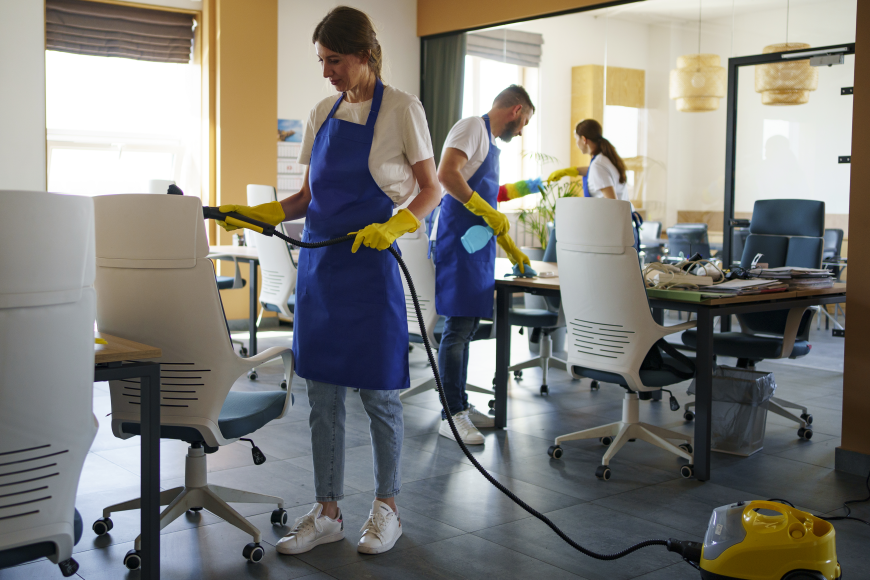
Commercial cleaning companies address the specific requirements of offices, large buildings, and public areas. Commercial cleaning is more extensive than regular home cleaning. These include janitorial services, office cleaning services, and even specialized help like day porter services or night cleaning crew.
Commercial cleaners typically offer facility maintenance as part of their service package. This involves taking care of the HVAC vents, ceiling fans, and even maintaining the carpets. They also provide personalized cleaning checklists for each company. For companies with high standards, including medical facilities or factories, commercial cleaning offers sanitizing services, restroom hygiene, and disinfecting high-touch areas.
Key Differences Between the Two:
The main difference is one of scope, frequency, and compliance. A routine cleaning service is just maintenance, while commercial cleaning is in-depth, structured, and industry-focused. Here are some areas where they differ:
Cleaning Frequency
Houses can be weekly or biweekly, but offices with hundreds of staff may need daily cleaning. Some businesses book multiple sessions, with daytime coverage for speedy cleanups and night crews for heavier work.
Staff and Training
Commercial buildings rely on contracted janitorial personnel trained in industry procedures. They are aware of chemical usage, follow OSHA guidelines, and apply environmentally acceptable cleaning chemicals safely. Residential cleaning personnel typically adhere to residential practices and lack specialty training or credentials.
Services Included
A typical cleaning package is likely to cover surface cleaning. Commercial cleaning, however, involves deep cleaning, high-touch area disinfection, and in some instances, full corporate cleaning solutions for multi-story offices or warehouses.
Specialized Solutions
Businesses typically need industrial cleaning services, business cleaning solutions, or professional cleaning services for equipment, warehouse floors, and production facilities. These require various tools and experience from residential cleaning.
Why Businesses Choose Commercial Cleaning?
For companies, the office is not just a building. It's a continuation of their brand. Sparkling lobbies, spotless bathrooms, and germ-free break rooms impress clients and employees. That is why commercial cleaning is important.
There are professionals who bring in tried systems to ensure consistency. Checklists for cleaning keep workers on their toes, and cycling between day porter service and a night cleaning crew ensures no loss of business time.
The second reason businesses prefer commercial cleaning is that it guarantees compliance. Industries such as healthcare, food service, and manufacturing have standards for cleanliness. Adhering to those standards requires trained staff, the right equipment, and proper sanitizing services. This is a heck of a lot more than what a regular cleaning business can offer.
The Added Value of Commercial Cleaning:
Businesses also enjoy the ease of scheduled cleaning. They are tailored to a company's needs—daily vacuum, weekly deep clean, or annual facility maintenance. From office cleaning solutions for an attorney's law firm to industrial cleaning solutions for a warehouse, businesses and companies modify their solution.
Further, the use of green cleaners is now more crucial. It is the desire of the majority of companies to be considered environmentally friendly without sacrificing cleanliness in their offices. Professional cleaners who are trained understand how to utilize green products effectively without sacrificing efficiency.
Finally, leaving it to experts saves businesses time and money. Recruitment and maintenance of in-house cleaners often come with payroll and HR issues. Outsourcing assigns the work to experts who keep their eye on the prize.
Choosing between regular and commercial cleaning services depends on the size and needs of the space. A quick tidy may be all a small office or home requires, but for a larger office, there is a demand for structured maintenance, professional staff, and focus on health and safety. Commercial operators are tasked with everything from corporate cleaning solutions and janitorial services to sanitation of bathrooms and disinfection of high-touch areas to keep a workplace clean and in line. For businesses that require reliable, consistent, and professional results, spending on commercial cleaning is the better decision.