7 Powerful Red Light Therapy Full Body Panels Truths
Red Light Therapy Full Body Panels explained with benefits, safety tips, buying advice, and home use guidance.
 freyaparker
Key Takeaways
-
Full body panels can treat a larger skin area in one session, which may save time for people with busy routines.
-
Red and near infrared light are often used for skin support, muscle comfort, joint stiffness, and general recovery.
-
Results are usually gradual, so a steady schedule matters more than one long session.
-
A good panel should match the user’s goals, space, budget, safety needs, and comfort level.
-
Smaller devices can help targeted areas, while full body panels suit people who want wider coverage.
-
Safe use includes eye protection, clean skin, proper distance, and advice from a healthcare professional when needed.
Introduction
Wellness tools can feel confusing because many products make big promises. A person may see glowing panels, red face masks, infrared saunas, cold plunges, and recovery beds, then wonder which one truly fits daily life. Clear information helps remove that guesswork.
Red Light Therapy Full Body Panels have become popular because they bring light therapy into the home in a larger, more practical format. Instead of treating only the face, knee, shoulder, or scalp, a full body panel can shine red and near infrared light across a wide area at once.
This guide explains what these panels are, how they may work, what benefits people often look for, and how a buyer can compare them with smaller devices. It also covers safety, routine planning, setup tips, and smart buying questions.
It also gives cautious reminders because good wellness advice should help a person make choices that are hopeful, safe, and grounded in everyday life, not fear or hype during each buying decision.
What are Red Light Therapy Full Body Panels
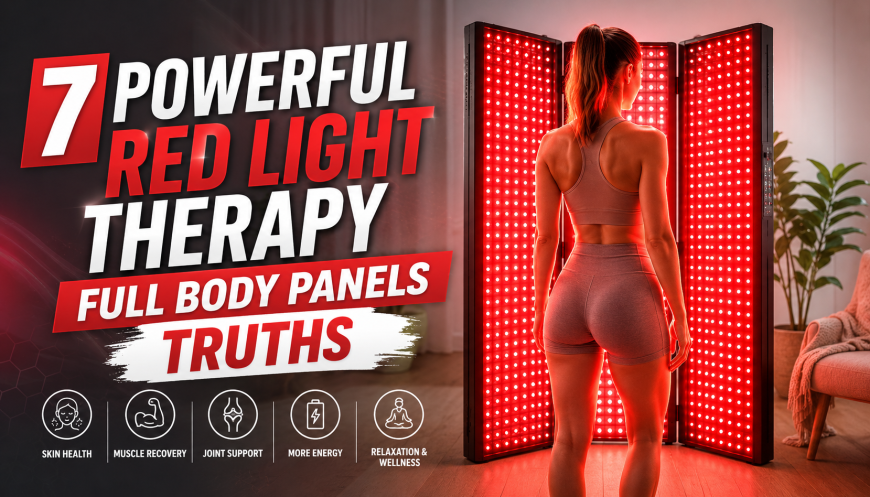
Red light therapy full body panels are large light devices made for home or clinic use. They shine red light and often near infrared light toward the skin. The person stands, sits, or lies near the panel for a short session.
The idea behind the treatment is called photobiomodulation. That is a long word, but the meaning is simple. Light reaches cells and may help them work in a healthier way. Red light usually works closer to the skin surface, while near infrared light can reach deeper tissues.
These panels do not use ultraviolet light. That matters because ultraviolet light from the sun or tanning beds can damage skin. Red light therapy uses different wavelengths. It is not the same as tanning, and it should not cause a tan.
A full body panel is different from a small wand or face mask. It covers more skin at the same time. For example, a person may stand in front of one tall panel and treat the back, legs, arms, and shoulders in one session. A small device would need to be moved from area to area.
Many people search for full body panels because they want a simple routine. They may want support after exercise, help with stiff areas, better skin appearance, or a calming habit before bed. However, these devices should be seen as wellness tools, not miracle cures.
The science around red light therapy is growing. Some studies and medical sources describe possible benefits for skin texture, redness, inflammation, wound healing, and certain types of pain. However, results can vary. The device, dose, distance, time, wavelength, and the person’s health all matter.
A sensible user should think of red light therapy like fitness. One workout rarely changes the body. A steady plan over weeks or months is more realistic. In the same way, light therapy may require regular sessions before visible changes appear.
A full body panel usually includes rows of small lights called LEDs. These LEDs may use common red wavelengths such as 630 or 660 nanometers. Many panels also include near infrared wavelengths such as 810, 830, or 850 nanometers. These numbers describe the light color and how it behaves.
The panel may also offer brightness controls, pulse settings, timers, cooling fans, hanging hardware, and stands.
How red and near infrared light may support the body
The body is made of tiny building blocks called cells. Inside many cells are mitochondria, which help make energy. Red and near infrared light may affect these energy centers. This may support cell repair, blood flow, and normal healing processes.
That does not mean the light forces the body to heal overnight. It means the light may give cells a helpful signal.
Red light is often linked with skin support because it can reach the upper layers well. People use it for the look of fine lines, dull skin, uneven tone, or post workout redness. Near infrared light is often discussed for deeper areas, such as muscles and joints.
For example, a runner may use a full body panel after training. The light does not replace stretching, rest, food, or sleep. However, it may become one more recovery habit, like gentle movement or a warm shower.
A person with a desk job may use a panel for tight shoulders and back stiffness. Again, the panel is not a fix for poor posture or long sitting. However, it may support a broader plan that includes breaks, strength work, and better desk setup.
Skin care users may like panels because they treat more than the face. Neck, chest, arms, hands, legs, and back can also show dryness, texture changes, or redness. A full body panel can make whole skin care feel less piecemeal.
The best results often come from simple routines. A person may use the panel several times per week for a few minutes per side. The exact plan should follow the device manual because power levels differ.
More time is not always better. Light therapy is often described as dose based. Too little light may do very little. Too much may irritate skin or reduce the benefit. The safest approach is to begin with shorter sessions and build only if the instructions allow it.
Eye safety also matters. Bright red and near infrared light should not be stared at directly. Many devices include goggles. People with eye disease or light sensitivity should ask a medical professional before use.
Some people should be extra careful. This includes anyone taking medicine that makes skin sensitive to light, anyone with active cancer concerns, anyone with a serious skin condition, and anyone who is pregnant. Medical advice is wise when health history is complex.
Red light therapy fits best when expectations stay balanced. It may support wellness, skin care, recovery, and comfort. It should not replace a doctor, physical therapist, dermatologist, or healthy daily habits.
Benefits of Red Light Therapy Full Body Panels
The benefits of red light therapy full body panels often begin with coverage. A larger panel can expose more skin in less time. This is helpful for people who want a routine that feels easy enough to repeat.
One common goal is skin appearance. Red light may support collagen, which helps skin look firm and smooth. People often use it for fine lines, rough texture, redness, or a tired look. The changes are usually modest and gradual, not instant.
Another goal is muscle recovery. Athletes, gym users, and active older adults may use red and near infrared light after training. A panel may help the body relax after hard movement. It may also fit well with sleep, hydration, protein, and rest days.
Joint comfort is another reason people explore this therapy. Knees, hips, shoulders, wrists, and backs can become stiff from age, work, or exercise. A full body panel can cover several areas during one session, which is useful when discomfort is not limited to one spot.
Some users also enjoy the mood and habit side. Standing in warm red light can feel calm. The session may become a quiet break from screens and noise. However, red light therapy should not be sold as a treatment for depression or major mental health concerns.
Full body panels may also help people stay consistent because the setup is simple. A small wand may be useful, but it can take longer to treat many areas. If a person has to move a device ten times, the routine may soon be skipped.
For home wellness, convenience is not a small detail. Tools only work when they are used. A panel that takes ten minutes may be easier to keep than a routine that takes forty minutes.
Red light therapy also pairs well with other recovery habits. For example, some people compare it with sauna use. Infrared sauna heat warms the body and encourages sweating, while red light uses targeted wavelengths without needing a hot room. Readers who enjoy heat therapy may also study the best infrared sauna temperature before planning a full recovery space.
In addition, people who want wider wellness support may compare light therapy with the benefits of infrared sauna. Sauna time, light exposure, stretching, and sleep all serve different roles. The best plan is usually simple, safe, and repeatable.
Practical uses at home
A home panel can fit many types of routines. A morning user may stand in front of the panel after waking. This can create a calm start before work, school runs, or errands. Another person may prefer evening sessions after a workout or shower.
For skin care, clean skin is best. Heavy creams, thick makeup, and sunscreen can block light. A person may wash the skin, use the panel, then apply moisturizer after the session. This keeps the routine simple.
For muscle recovery, timing can vary. Some users choose red light before movement to warm up tight areas. Others use it after training as part of a cooldown. The manual should guide session length, distance, and frequency.
Real life use depends on space. A tall panel may need a bedroom corner, home gym wall, or office nook. The user should measure the area before buying. Cord length, outlet access, and storage all matter.
The panel height should match the body areas being treated. A very short panel may work for the face and chest, but it may miss legs or lower back. A taller panel or stacked setup gives better coverage.
Distance is another key point. Standing too far away reduces light exposure. Standing too close may feel too intense. Most brands give a recommended distance, often measured in inches. That guidance should be followed.
A timer helps prevent overuse. Some panels include an automatic shutoff. If not, a phone timer or wall timer can help. The goal is a steady, measured dose rather than guessing.
A diary can also help. The user can write down session days, session time, distance, and any changes in skin, comfort, or sleep. This makes it easier to judge whether the panel is worth keeping.
How to Choose a Red Light Therapy Full Body Panel
Learning how to choose a red light therapy full body panel starts with the goal. A person buying mainly for face and neck care may not need the same setup as an athlete treating legs and back. The best choice depends on the body areas, schedule, and budget.
Wavelengths are one of the first details to check. Red light around the mid 600 nanometer range is common for skin. Near infrared light around the low to mid 800 range is common for deeper tissue support. A panel with both may offer wider use.
Panel size is next. A wider or taller panel treats more skin at once. This may save time, but it also costs more and needs more room. A smaller panel may still be useful when space is limited.
Power output matters, but buyers should not chase big numbers alone. A powerful panel used incorrectly may not be better. Clear instructions, third party testing, low electromagnetic field design, and safe build quality are just as important.
Irradiance is a common product term. It describes how much light reaches a set area at a set distance. However, brands may measure it differently. A buyer should compare published testing carefully and avoid choosing only by the biggest claim.
Build quality also matters. Strong housing, cooling fans, stable stands, safe cords, and good controls can make daily use safer. A full body panel is not a tiny gadget. It should feel steady and well made.
Warranty and support should be checked before purchase. A panel may be a serious investment. Helpful customer service, clear return rules, and replacement part access can reduce stress if something goes wrong.
Some people also compare red light panels with flexible devices. Wearable tools can sit close to one body part, while panels shine from a distance. For targeted recovery, a reader may find flexbeam reviews useful when comparing a wrap style device with a standing panel.
Budget should include accessories. A floor stand, door hook, goggles, extension cord, or wall mount may change the final cost. A buyer should look at the complete setup, not just the panel price.
Controls should be easy to understand. Some panels let the user choose red only, near infrared only, or both together. This can be helpful when different family members have different goals.
Best Red Light Therapy Full Body Panels for different homes
The best red light therapy full body panels are not always the largest or most expensive. The best panel is the one that fits the person’s space, goals, and habit pattern. A great product that sits unused is not a great wellness choice.
For a small apartment, a single medium panel with a door mount may be practical. It can be stored behind a door or in a closet. The user may treat the front of the body, then turn around for the back.
For a home gym, a tall full body panel on a rolling stand may work better. It can sit near mats, weights, or a recovery chair. This makes the panel easy to use after training.
For a couple or family, a larger panel may save time. Multiple users can take turns without moving a small device across many body parts. However, each person should adjust session length based on comfort and the instructions.
For skin focused users, a panel with strong red light control may be enough. For deeper muscle goals, near infrared output may matter more. Many buyers like a mix of both because goals can change over time.
For older adults, ease and stability are key. A panel should not require bending, lifting, or awkward mounting. A stable stand, simple timer, and clear buttons may matter more than advanced settings.
For people building a complete recovery room, red light therapy can sit beside other tools. A massage chair, sauna, and cold plunge all offer different experiences. Anyone comparing hands free relaxation may also review the benefits of a massage chair as part of a home wellness plan.
The best buying process is calm and practical. The buyer should list goals, choose a size, check wavelengths, review safety details, measure the room, and read warranty terms. This prevents excitement from becoming regret.
A reliable panel should also come with clear use directions. If a company gives vague advice, that is a warning sign. Light therapy depends on time, distance, and consistency, so instructions should be easy to follow.
Red Light Therapy Full Body Panels vs Smaller Devices
Red light therapy full body panels vs smaller devices is a common comparison because both options can make sense. A panel covers more area. A small device targets one area with less cost and less space.
A small device may be enough for someone who only wants face care, scalp care, or one sore elbow. It can be easy to store and travel with. It may also cost much less than a tall panel.
However, small devices often take more time. Treating the face, neck, chest, back, knees, and shoulders with a wand can become tiring. The person must hold the device, move it carefully, and track each area.
A full body panel is better for people who want speed and coverage. It can treat several body zones at once. This can make routines easier for athletes, busy parents, office workers, or anyone who dislikes fussy steps.
Panels also allow hands free use. A person can stand, sit, breathe, and relax while the timer runs. This makes the session feel more like a wellness pause than a chore.
Smaller devices may offer closer contact. Some wraps and pads touch the skin directly. This can be useful for one joint or muscle. Panels work from a distance, which can be more comfortable for full body routines.
Cost is the main downside of full body panels. They usually cost more than masks, wands, caps, or wraps. They also need more space and may require a stand or mount.
Another difference is privacy. A full body session often means uncovered skin. A person may need a private room. Smaller devices can be used more easily on a couch or at a desk.
Both tools can be part of a smart plan. A person may use a full body panel three times per week and a small wrap for one knee on other days. The right choice depends on needs, not trends.
Are Red Light Therapy Full Body Panels Worth It
Are red light therapy full body panels worth it? The answer depends on how often the panel will be used and what results are expected. For a person who wants one quick fix, the answer may be no. For a person who wants a steady home routine, the value can be stronger.
A panel may be worth it when several body areas need attention. It may also be worth it when clinic visits are too costly or inconvenient. Home use gives more control over timing.
The panel may not be worth it for someone with only one small target area. A small device may do the job with less money and space. It may also be the better first step for a cautious buyer.
Results should be measured honestly. Better skin texture, less stiffness, or easier recovery may be meaningful, but changes can be subtle. Photos, notes, and a consistent schedule can help the user judge progress.
A fair trial often means regular use for several weeks or months. Daily overuse is not needed unless the device instructions support it. Smart use is patient and steady.
A buyer should also think about opportunity cost. The same money could go toward sleep upgrades, exercise equipment, physical therapy, skin care, or nutrition. Red light therapy works best when these basics are not ignored.
The best value appears when the panel removes friction. If a person can use it with little effort, the habit is more likely to last. When a device fits the home, the schedule, and the goals, it has a better chance of becoming useful.
FAQs
What are red light therapy full body panels
Red light therapy full body panels are large LED devices that shine red and near infrared light over wide areas of the body. They are usually used while standing or sitting a short distance away.
They are designed for broader coverage than a face mask, wand, or small wrap. This can make them helpful for people who want to treat the back, legs, arms, chest, and shoulders in fewer steps.
These panels are not tanning beds. They do not use ultraviolet light. They are wellness devices that should be used by following the manual and basic safety steps.
Do full body red light therapy panels really work
Full body panels may work for some goals, especially when the device is well made and used consistently. Red light therapy has research support for certain skin and recovery uses, but it should not be treated as a cure for every health problem.
Results depend on wavelength, power, distance, session length, skin exposure, and personal health. A person using a weak device once a month should not expect the same results as someone following a steady plan.
The most realistic answer is balanced. These panels can be helpful for some people, but they are not magic. They should support, not replace, healthy habits and medical care.
How long should a person use a full body red light therapy panel
Session length should follow the device instructions. Many home routines use short sessions, often a few minutes to around twenty minutes, depending on power and distance.
Beginners should usually start low. Shorter sessions help the skin and eyes adjust. If the manual allows longer use, time can be increased slowly.
More time does not always mean better results. Red light therapy depends on the right dose. A timer, goggles, and a simple schedule can help keep use safe.
What are the benefits of full body red light therapy
The benefits of full body red light therapy may include support for skin appearance, muscle recovery, joint comfort, and a calmer routine. Larger coverage is the main advantage.
People may use panels for the face, neck, back, legs, arms, or full body recovery. This can save time compared with moving a small device from one spot to another.
Benefits are usually gradual. A person should not expect overnight change. A steady routine, clear goals, and healthy daily habits give the best chance of useful results.
Which is the best red light therapy full body panel for home use
The best panel for home use should match the home, body, and goal. A compact panel may suit a small room. A tall panel may suit a home gym or serious recovery setup.
A good panel should offer useful wavelengths, clear safety instructions, sturdy build quality, eye protection, simple controls, and reliable support. Warranty terms also matter.
Conclusion
Red Light Therapy Full Body Panels have become popular because they answer a real need. People want wellness tools that fit home life, save time, and support everyday recovery without complicated steps.
These panels offer wide coverage, which is their biggest strength. A person can treat more of the body in one session instead of moving a small device across many areas. That can make the habit easier to keep.
The possible benefits are also easy to understand. People often use panels for skin appearance, muscle recovery, joint comfort, and quiet relaxation. However, the most honest view is balanced. Red light therapy may help, but it is not a cure all.
Safe use is important. The user should protect the eyes, follow distance and time directions, avoid overuse, and ask a healthcare professional when medical history is complex. A good wellness tool should make life easier, not riskier.
Choosing the right panel means looking beyond bright ads. Size, wavelengths, irradiance, build quality, warranty, noise, mounting style, and customer support all matter. A panel should fit the room and the routine.
Smaller devices still have a place. A face mask, wand, cap, or wrap may be better for one target area or a smaller budget. Full body panels are best for people who want broader coverage and faster sessions.
A smart buyer should begin with clear goals. Skin care, sports recovery, stiffness, relaxation, and whole body wellness may require different setups. Once the goal is clear, the buying choice becomes much easier.
Red light therapy also works best as part of a broader lifestyle. Sleep, movement, water, food, stress control, and medical care still matter. A light panel can support these basics, but it cannot replace them.
For shoppers who want professional grade wellness and recovery equipment at home, Premium Health Gear offers medical quality options such as infrared saunas, hyperbaric oxygen chambers, cold plunge systems, therapeutic massage tools, and red light therapy solutions without traditional retail markups.