How PropTech Is Transforming Qatar’s Real Estate Future
Explore how PropTech is transforming Qatar's real estate with AI, IoT, smart buildings, and digital property management solutions.
 johnryan01
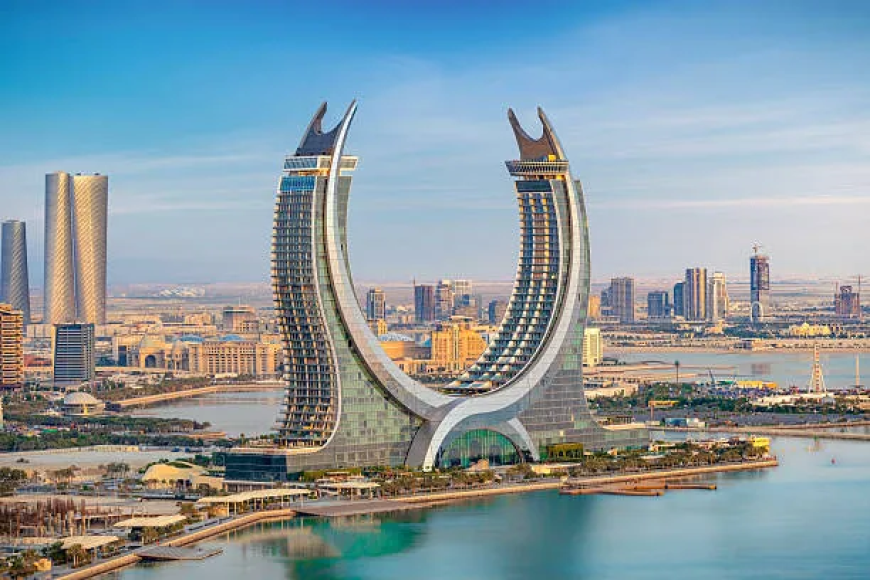
Digital innovation is reshaping the way real estate assets are developed, managed, and experienced across the Middle East. In Qatar, rapid urban development, smart city initiatives, and increasing demand for technology-enabled property services are encouraging developers and investors to embrace advanced digital solutions. From virtual property tours to AI-powered building management, technology is helping improve efficiency, transparency, and decision-making throughout the real estate ecosystem.
The Qatar PropTech Market reflects this broader transformation by bringing together digital platforms, intelligent building technologies, property management software, and data-driven solutions that modernize the country's real estate sector. According to a study published by MarkNtel Advisors, the digital real estate technology ecosystem in Qatar was valued at around USD 132 million in 2025 and is projected to reach nearly USD 418 million by 2032, growing at an estimated CAGR of 17.95% during 2026–2032.
Growing investments in smart infrastructure, digital government services, and sustainable urban planning are creating an environment where technology adoption is becoming a strategic priority. Property owners, developers, and facility managers are increasingly leveraging connected solutions to enhance operational performance while improving the experience of tenants and buyers.
Smart City Development Is Accelerating Digital Adoption
Qatar's long-term urban development strategy has created strong momentum for technology integration across residential, commercial, and mixed-use developments. Modern districts are being designed with connected infrastructure that supports intelligent energy management, digital access control, predictive maintenance, and integrated building operations. These capabilities not only improve operational efficiency but also contribute to sustainability objectives by reducing energy consumption and optimizing resource utilization.
Large-scale developments continue to serve as testing grounds for innovative property technologies, encouraging wider adoption across both new construction projects and existing buildings. As digital infrastructure becomes more widespread, real estate stakeholders gain better access to actionable insights that support informed investment and operational decisions.
Artificial Intelligence Is Enhancing Property Management
Artificial intelligence is becoming an increasingly valuable tool for improving property management processes. Building operators can monitor equipment performance in real time, predict maintenance requirements before failures occur, and automate routine operational tasks. AI-powered analytics also enable more efficient space utilization, occupancy forecasting, and tenant service management.
These intelligent systems help reduce operating costs while improving service quality for residents and commercial tenants. As organizations seek greater efficiency, AI-driven platforms are expected to play a larger role in managing complex real estate portfolios and supporting data-informed decision-making.
Digital Platforms Are Improving Customer Experience
Property buyers and tenants increasingly expect seamless digital experiences throughout their real estate journey. Online property listings, virtual tours, digital documentation, electronic payments, and remote communication tools simplify property transactions while improving accessibility.
Integrated digital platforms also enhance transparency by allowing users to compare properties, monitor application progress, schedule maintenance requests, and access important property information from a single interface. These capabilities strengthen customer confidence while reducing administrative complexity for developers and property managers.
Sustainability Is Driving Technology Investments
Environmental sustainability has become an important consideration for developers seeking to improve building performance and reduce operational expenses. Smart sensors, automated lighting systems, intelligent HVAC controls, and energy monitoring platforms enable continuous optimization of resource consumption while supporting green building objectives.
As regulatory expectations evolve and organizations pursue greater environmental responsibility, digital technologies provide valuable tools for measuring energy performance, identifying inefficiencies, and implementing targeted improvements across real estate assets. These innovations contribute to both cost savings and long-term sustainability goals. According to the International Energy Agency (IEA), digital technologies can significantly improve energy efficiency across buildings through better monitoring and automation.
Data Analytics Supports Better Investment Decisions
Access to high-quality market intelligence enables investors, developers, and financial institutions to make more informed decisions. Advanced analytics platforms can evaluate market trends, occupancy rates, pricing dynamics, customer preferences, and asset performance using real-time data.
Predictive analytics further supports strategic planning by identifying emerging demand patterns and evaluating future investment opportunities. As digital data becomes increasingly available, stakeholders can reduce uncertainty while improving portfolio management and capital allocation decisions. The World Bank has highlighted that digital transformation and improved data accessibility contribute to stronger investment environments and more efficient infrastructure planning.
The Future of Digital Real Estate in Qatar
The continued expansion of digital infrastructure, combined with increasing demand for connected buildings and intelligent property services, is expected to reshape Qatar's real estate landscape over the coming years. Technologies such as artificial intelligence, Internet of Things (IoT), blockchain, cloud computing, and advanced analytics will continue supporting more efficient asset management, enhanced customer experiences, and sustainable urban development.
As digital transformation becomes increasingly integrated into property development strategies, collaboration between technology providers, developers, regulators, and investors will remain essential for unlocking long-term value. While adoption rates may vary across property segments, the ongoing modernization of Qatar's real estate sector suggests that technology will continue serving as a critical enabler of operational excellence, innovation, and future-ready infrastructure.