How Lab Automation Is Reshaping Australia’s Healthcare
Discover how lab automation is improving diagnostics, efficiency, and healthcare innovation across Australia's laboratory sector.
 johnryan01
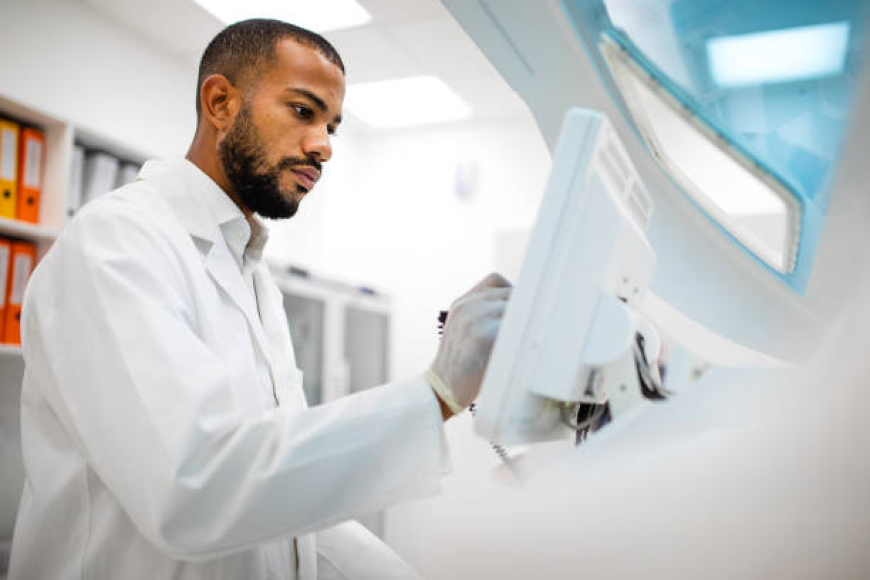
Laboratory automation has become an essential component of modern healthcare, helping laboratories process larger testing volumes while maintaining accuracy, consistency, and efficiency. As Australia's healthcare system continues to expand, clinical laboratories, pharmaceutical companies, and research institutions are increasingly investing in automated technologies to improve workflow performance and deliver faster diagnostic results.
From robotic sample handling to AI-powered laboratory information management systems (LIMS), automation is transforming how laboratories operate. These technologies reduce manual intervention, minimize human error, and allow scientists and technicians to focus on more complex analytical tasks instead of repetitive processes.
Why Laboratory Automation Matters
Healthcare providers today handle millions of diagnostic tests every year. Growing patient volumes, an aging population, and the increasing prevalence of chronic diseases have created greater pressure on laboratories to deliver accurate results within shorter turnaround times.
Automated laboratory solutions address these challenges by streamlining sample preparation, testing, storage, reporting, and quality control. The result is improved productivity, better resource utilization, and enhanced patient care.
According to an analysis by MarkNtel Advisors on laboratory automation in Australia, the industry is projected to grow from USD 121 million in 2026 to USD 175 million by 2032, registering a CAGR of approximately 6.34%.
Major Factors Driving Adoption
Growing Diagnostic Testing Demand
Australia continues to experience increasing demand for pathology and diagnostic testing due to the rising incidence of chronic illnesses, preventive healthcare programs, and routine health screenings. Laboratories must process significantly larger sample volumes while maintaining high standards of precision.
Automation enables laboratories to meet these requirements by reducing processing time and improving operational efficiency without compromising quality.
Expansion of Healthcare Infrastructure
Government investments in hospitals, healthcare facilities, and diagnostic centers are creating new opportunities for laboratory modernization. Newly established facilities increasingly incorporate automated systems from the beginning to improve long-term operational efficiency.
Modern laboratories are now designed around automation technologies, including robotic workstations, automated analyzers, and digital data management platforms.
Digital Health Transformation
Australia's broader digital healthcare initiatives are encouraging healthcare providers to integrate electronic health records, laboratory information systems, and AI-enabled diagnostic platforms. These developments improve collaboration between laboratories, hospitals, and clinicians while supporting faster clinical decision-making.
Artificial Intelligence Is Taking Automation Further
Artificial intelligence has become one of the most significant advancements in laboratory automation. Instead of simply automating repetitive tasks, AI systems analyze laboratory data, identify anomalies, predict maintenance requirements, and optimize workflow performance.
AI-assisted laboratories can improve quality assurance, enhance sample traceability, and support predictive analytics for laboratory operations. These intelligent systems also help laboratories allocate resources more effectively during periods of high testing demand.
As AI technologies mature, laboratories are expected to become increasingly autonomous while maintaining strict regulatory compliance and quality standards.
Key End Users Benefiting from Automation
- Hospitals and Diagnostic Laboratories improving testing capacity and turnaround times.
- Pharmaceutical and Biotechnology Companies accelerating drug discovery, clinical research, and quality testing.
- Academic and Research Institutes increasing experimental efficiency and research productivity.
Each of these organizations benefits from improved accuracy, standardized workflows, and reduced operational costs over time.
Challenges Slowing Adoption
Despite the clear advantages, laboratory automation requires substantial initial investment. Advanced robotic systems, software integration, employee training, and infrastructure upgrades represent significant capital expenditures, particularly for smaller laboratories.
In addition, integrating automation into existing laboratory environments can be technically complex. Organizations must ensure compatibility between equipment, software platforms, and regulatory requirements while minimizing disruptions during implementation.
However, many healthcare providers view automation as a long-term investment that delivers measurable improvements in efficiency, quality, and scalability.
Future Outlook
The future of Australia's laboratory ecosystem will be increasingly defined by automation, artificial intelligence, robotics, and connected digital platforms. As healthcare demand continues to grow, laboratories will require more efficient technologies capable of supporting larger testing volumes without sacrificing accuracy.
Emerging innovations such as predictive maintenance, cloud-based laboratory management systems, autonomous sample handling, and integrated data analytics are expected to further transform laboratory operations. Organizations adopting these technologies early will likely benefit from improved productivity, faster diagnostics, and stronger operational resilience.
Conclusion
Laboratory automation is becoming a strategic priority across Australia's healthcare and life sciences sectors. Rising diagnostic demand, healthcare infrastructure expansion, and digital transformation initiatives are accelerating the adoption of intelligent laboratory technologies.
As automation continues to evolve, laboratories will be better equipped to deliver accurate, scalable, and efficient diagnostic services while supporting research, pharmaceutical innovation, and improved patient outcomes. Investments in automation today are laying the foundation for a smarter, faster, and more connected healthcare ecosystem across Australia.