Why Every Metal Fabrication Shop Needs a Plasma Cutting Machine
Plasma cutting machines are essential tools for modern metal fabrication, offering unmatched precision, speed, and versatility. They cut through various metals with minimal heat distortion and reduced labor costs, enhancing productivity and safety. Table plasma machines, with CNC capabilities, take efficiency to the next level—ideal for high-volume or complex cutting tasks. A smart investment for any size shop aiming for top-tier quality and performance.
 promachau
In metal fabrication, efficiency, precision, and speed are the core measurement tools. Conventional cutting methods could be time-consuming, inaccurate, and labor-intensive. Investing in a plasma machine is essential for any modern workshop. Plasma machines offer the ultimate accuracy, versatility, and productivity, enabling metalworkers to produce high-quality results in the fastest possible time. Any kind of shop, from the smallest to a full-scale fabrication shop, would soon find its plasma cutting machine vital to its operation and a competitive edge in the market.
What Is a Plasma Cutting Machine?
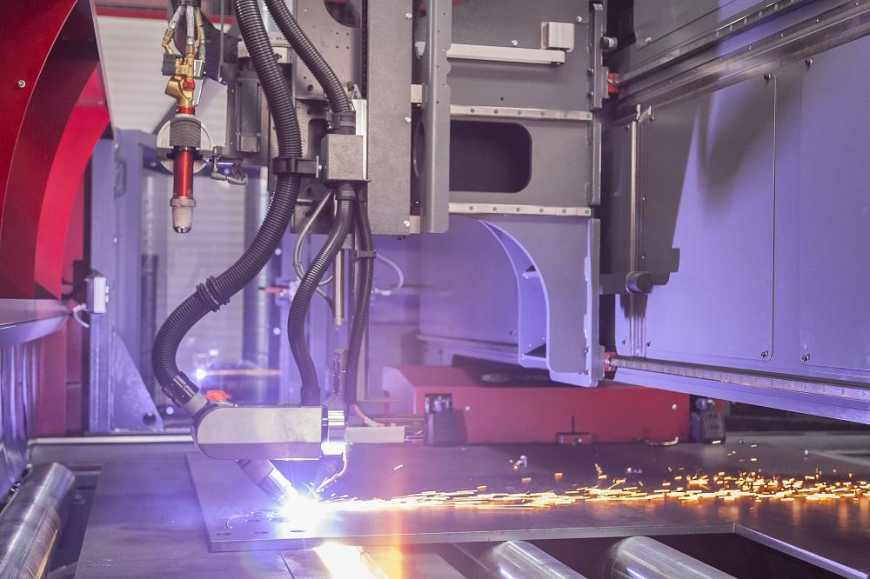
A plasma machine utilizes a high-temperature ionized gas stream (plasma) to cut through metal sheets and strips, including steel, stainless steel, aluminum, brass, and copper, with exceptional precision. Unlike any other cutting technique, plasma technology produces a precise and immaculate cut whenever it is called into service. Thus, the least amount of heat distortion occurs, making finishing work almost nonexistent.
Plasma machines come in various sizes and capabilities, ranging from small, portable machines suitable for setups and jobs with limited space to industrial machines designed for heavy-duty production applications. Their versatility makes them suitable for both artistic metalwork activities and large-scale industrial fabrication.
Significant Benefits for Metal Fabrication Shops
1. Precision and Accuracy
There is no compromise on accuracy in metal fabrication. The machines enable highly accurate cuts that are smooth, reducing the likelihood of errors and waste materials. Such precision ensures that components fit properly, enhancing the quality of your projects.
2. Speed and Efficiency
Plasma cutting runs significantly faster than other traditional cutting methods, such as oxy-fuel and mechanical saws. The improved cutting speed enables shops to complete projects more quickly and perform additional work, thereby enhancing their productivity. Besides that, speedy jobs also improve customer satisfaction, thereby earning a good reputation.
3. Versatility Across Materials
One of the most critical advantages of plasma machines is their versatility, as they cut a variety of metals of different thicknesses without requiring any tool or setting alteration. Such a capability enables workshops to handle multiple project types without needing to purchase separate cutting equipment for each one.
4. Reduce Cost of Labor
Manual cutting methods are labor-intensive and prone to human error. Plasma machines automate much of the process, drastically reducing the need for extensive manual labor and risk of mistakes. This not only saves on labor costs but also brings about a great degree of consistency and quality to every cut.
5. Less Heat Distortion
Plasma cutting, being fast and focused, produces less heat than the other existing methods. The less the heat, the less the warpage and distortion on the metal, which means fewer adjustments after cutting and less material loss.
6. Safety
Safety is a primary concern in the metal fabrication process. With a plasma cutting machine, you reduce the accidents that can arise by using manual cutting tools like saws or torches. Many machines even feature safety perks such as automatic shut-offs, protective guards, and fume extraction systems, which lead to a safer working environment for employees.
Table Plasma Cutting Machines: Taking Fabrication to the Next Level
For shops seeking even greater efficiencies, a table plasma machine provides a revolutionary solution. These machines combine the precision of plasma cutting with a fixed table, allowing for either automated cutting or CNC-controlled cutting. In this setup, repeatable accuracy, smooth workflow, and cutting of complex shapes are achieved with minimal supervision. Table plasma machines are best suited for shops that deal with high-volume production or those that require intricate designs. They save setup time and enable batch cutting, improving the overall efficiency of the workflow and allowing businesses to scale their operations while maintaining quality.
Choosing the Right Plasma Cutting Machine
Choosing the right plasma machine requires consideration of these critical factors:
-
Type and thickness of material: Confirm that the machine can handle the metals you deal with most frequently.
-
Cutting speed: Consider models with faster cutting speeds for heavier jobs or more complex patterns.
-
Portability or Fixed Setup: Determine whether a portable machine or a table plasma machine would best fit into your workflow.
-
CNC Capability: With CNC-controlled table machines, accuracy and automation can also enhance the cutting's unique effect.
-
Durability and Maintenance: Opt for machines that can last long, accompanied by consumables that can be easily replaced.
When investing in the right machine, ensure your shop operates smoothly, efficiently, minimizes waste, and assures high-quality production.
Conclusion
Plasma machines are no longer luxury items; they are necessities for any metal fabrication shop that wishes to remain in business, up-to-date, cost-effective, and above all, accurate. This tool offers significant advantages, including time savings, reduced raw material waste, improved precision, and enhanced workplace safety. To further ramp up production, a table plasma cutting machine offers unmatched automation, prioritizing repeatability and accuracy, making it a perfect solution for striking modern metalworking trends.