primary market and secondary market Explained
 ravifernandes152
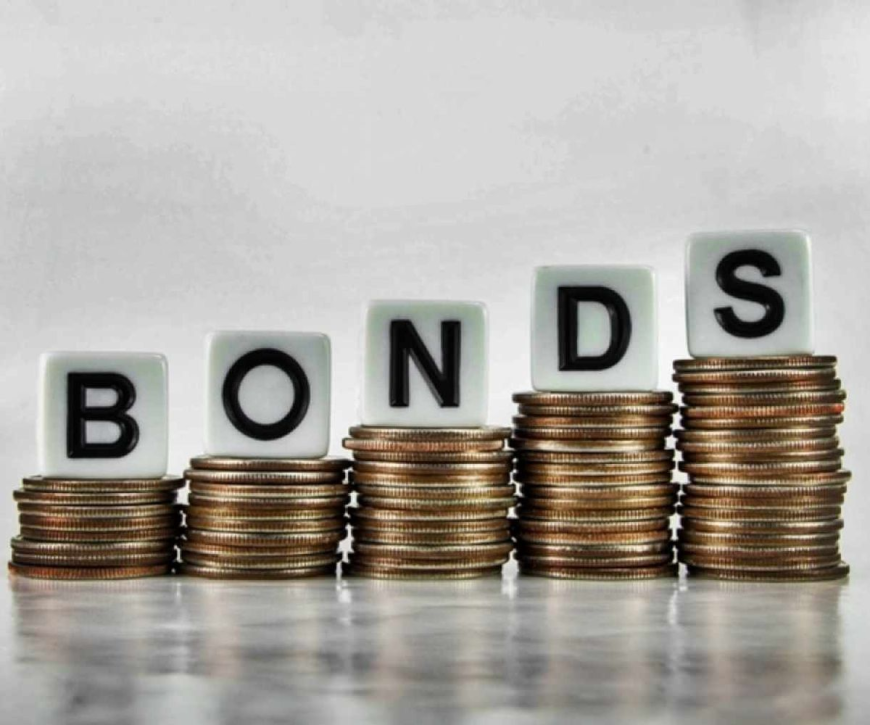
Here is a simple truth. Every security is born once then it lives for years. That is how bonds move through the system. The first sale happens in the primary market and secondary market trading happens after that. When you see this flow clearly your buying and selling of bonds becomes calm and simple.
The basic idea
The primary market and secondary market are two stages of one journey. In the primary stage the issuer sells new bonds to investors and collects money for projects. In the secondary stage investors trade the same bonds with each other at market prices. The issuer does not get this trading money. Both places are needed for a healthy market.
What happens in the primary stage
A government or a company announces a fresh issue. Terms like coupon face value and maturity are set. You apply through your broker or a platform and you block funds. If you get allotment the bonds are credited to your demat account. The money you paid reaches the issuer who uses it for roads power plants or business growth. This is the first half of the primary market and secondary market story and it is easy to follow.
What happens in the secondary stage
After listing the same bonds start trading on an exchange or in the over the counter market. Buyers and sellers place orders. Price moves with demand interest rates and news about the issuer. Liquidity can be high in some lines and thin in others. This living tape is the second half of the primary market and secondary market and it matters if you plan to exit before maturity.
Why both stages matter to you
The primary route can offer clean paperwork and wide access. It can be a neat way to lock allocation in good names. The secondary route gives flexibility. You can buy bonds at a discount or a premium depending on conditions or you can sell when you need cash. Many investors use both paths. They subscribe in the primary then add or trim in the secondary. Using the primary market and secondary market together gives you control.
How prices are set
In the primary stage the coupon is fixed by the issuer and shaped by demand. In the secondary stage the price is set by trading. When market rates rise prices of existing bonds often fall so yields rise. When rates fall prices often rise so yields drop. Any change in credit rating can also move prices. Understanding this helps you read screens with confidence and it explains why the primary market and secondary market never feel the same.
A quick example
Say a company issues five year bonds at eight percent. You apply in the primary and receive allotment. Three months later rates have moved up. The secondary price slips a bit so the yield is higher for new buyers. Another investor buys in the market. The issuer keeps paying interest to whoever holds the bonds on the record date. One line shows the full primary market and secondary market cycle from birth to daily life.
Final takeaway
The primary market and secondary market are simple once you see their roles. Use the primary to support issuers and to secure allocation in strong bonds. Use the secondary to fine tune price and timing as your needs change. Learn the process fees taxes and trading hours then move between both stages with ease. With practice you will handle bonds with more confidence and fewer surprises.