Why Regular Pellet Stove Maintenance in Hillsboro Prevents Costly Repairs
Keep your Hillsboro home warm and safe with simple pellet stove maintenance tips that prevent costly repairs and boost efficiency.
 Hillsboro Chimney Sweep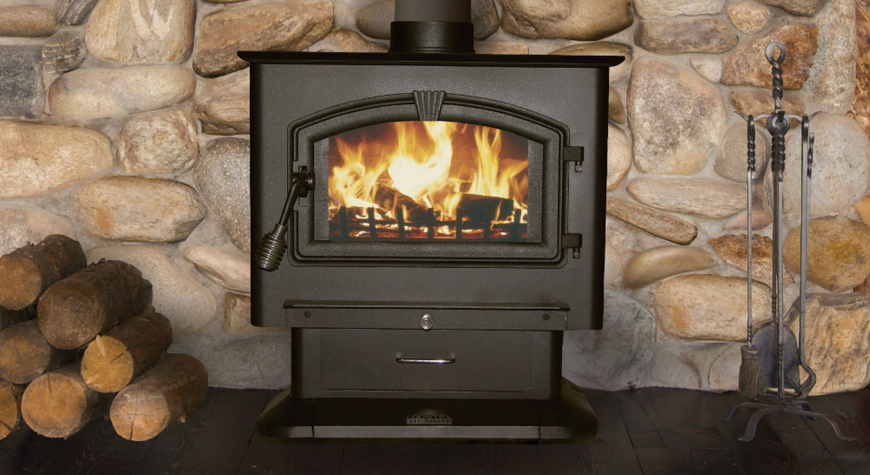
Living in Hillsboro, where chilly evenings can sneak up on you, a pellet stove is almost like a trusty old friend. It hums quietly, keeping your home warm and welcoming when the Pacific Northwest drizzle refuses to quit. But like any friend, it needs a little attention now and then to keep running strong. If you’ve ever wondered why folks around here talk so much about pellet stove maintenance, let me walk you through it — not with any complicated jargon, but in a way that’s easy to follow, especially if you’re new to this whole pellet stove repair thing.
“A pellet stove doesn't just heat your house — it asks for a little care in return. Give it that, and it’ll pay you back with years of cozy evenings.”
Key Features: What Makes Pellet Stoves Tick?
Before we jump into the nitty-gritty of maintenance, it helps to know what makes these stoves so different. Unlike traditional wood burners, pellet stoves use small, compressed pellets made from wood scraps or even corn. They’re designed for efficiency, with a hopper that feeds pellets into a burn pot, a fan to push warm air around, and sensors to regulate temperature. All these moving parts make your stove super convenient — but they also mean there’s plenty that can get dirty or out of sync.
Here’s a quick overview of what regular maintenance touches:
| Feature | Reason for Maintenance |
|---|---|
| Burn Pot | Clearing ash ensures pellets burn completely and efficiently. |
| Exhaust Fan | Removes smoke and keeps air clean; dust buildup can cause overheating. |
| Pellet Hopper | Needs to stay clean to keep pellets feeding smoothly. |
| Sensors & Controls | Dust can block sensors, making temperature readings inaccurate. |
| Glass Door | Frequent cleaning stops soot from blocking your view of the flames. |
Safety: More Than Just Peace of Mind
We all want to feel safe at home, especially when dealing with something as powerful as fire. When your pellet stove is working properly, it’s one of the safest ways to heat your house. But skip a few cleanings, and you could be flirting with trouble. Ash and soot might block the exhaust, causing smoke or even dangerous gases like carbon monoxide to leak inside. Imagine discovering your carbon monoxide alarm blaring in the middle of the night — not exactly the cozy vibe you were hoping for.
On top of that, a neglected stove can overheat, leading to melted wires or warped parts. This isn’t just bad for your stove, it could also spark a house fire. The fix? Take fifteen minutes every week to clear out ash, wipe down the glass, and check that the airways are open. Once a year, get a professional to give it a once-over. It’s a small price for peace of mind, especially when family and pets are involved.
Cost: Small Effort, Big Savings
Let’s be real — nobody likes unexpected bills. Pellet stoves are built to last, but only if you help them out. When you let ash, dust, and old pellets pile up, you’re asking the stove’s little motors and sensors to work harder than they should. Eventually, something gives, and suddenly you’re looking at a repair bill that could have been avoided with a quick clean.
Regular maintenance isn’t just about saving money on repairs, either. A clean stove burns pellets more efficiently, which means you’ll buy less fuel over the winter. That’s more money in your pocket for hot chocolate or movie nights, instead of being burned up with every load of pellets.
| Maintenance Task | Average Cost (DIY) | Potential Repair Cost (If Ignored) |
|---|---|---|
| Weekly Cleaning | $0 (just your time) | $150–$400 (fan or sensor replacement) |
| Annual Professional Service | $120–$200 | $500+ (major repair or replacement) |
| Pellet Hopper Cleaning | $0 | $100–$250 (jammed feed fix) |
Living in Hillsboro, where chilly evenings can sneak up on you, a pellet stove is almost like a trusty old friend. It hums quietly, keeping your home warm and welcoming when the Pacific Northwest drizzle refuses to quit. But like any friend, it needs a little attention now and then to keep running strong. If you’ve ever wondered why folks around here talk so much about pellet stove maintenance, let me walk you through it — not with any complicated jargon, but in a way that’s easy to follow, especially if you’re new to this whole pellet stove thing.
“A pellet stove doesn't just heat your house — it asks for a little care in return. Give it that, and it’ll pay you back with years of cozy evenings.”
Key Features: What Makes Pellet Stoves Tick?
Before we jump into the nitty-gritty of maintenance, it helps to know what makes these stoves so different. Unlike traditional wood burners, pellet stoves use small, compressed pellets made from wood scraps or even corn. They’re designed for efficiency, with a hopper that feeds pellets into a burn pot, a fan to push warm air around, and sensors to regulate temperature. All these moving parts make your stove super convenient — but they also mean there’s plenty that can get dirty or out of sync.
Here’s a quick overview of what regular maintenance touches:
| Feature | Reason for Maintenance |
|---|---|
| Burn Pot | Clearing ash ensures pellets burn completely and efficiently. |
| Exhaust Fan | Removes smoke and keeps air clean; dust buildup can cause overheating. |
| Pellet Hopper | Needs to stay clean to keep pellets feeding smoothly. |
| Sensors & Controls | Dust can block sensors, making temperature readings inaccurate. |
| Glass Door | Frequent cleaning stops soot from blocking your view of the flames. |
Safety: More Than Just Peace of Mind
We all want to feel safe at home, especially when dealing with something as powerful as fire. When your pellet stove is working properly, it’s one of the safest ways to heat your house. But skip a few cleanings, and you could be flirting with trouble. Ash and soot might block the exhaust, causing smoke or even dangerous gases like carbon monoxide to leak inside. Imagine discovering your carbon monoxide alarm blaring in the middle of the night — not exactly the cozy vibe you were hoping for.
On top of that, a neglected stove can overheat, leading to melted wires or warped parts. This isn’t just bad for your stove, it could also spark a house fire. The fix? Take fifteen minutes every week to clear out ash, wipe down the glass, and check that the airways are open. Once a year, get a professional to give it a once-over. It’s a small price for peace of mind, especially when family and pets are involved.
Cost: Small Effort, Big Savings
Let’s be real — nobody likes unexpected bills. Pellet stoves are built to last, but only if you help them out. When you let ash, dust, and old pellets pile up, you’re asking the stove’s little motors and sensors to work harder than they should. Eventually, something gives, and suddenly you’re looking at a repair bill that could have been avoided with a quick clean.
Regular maintenance isn’t just about saving money on repairs, either. A clean stove burns pellets more efficiently, which means you’ll buy less fuel over the winter. That’s more money in your pocket for hot chocolate or movie nights, instead of being burned up with every load of pellets.
| Maintenance Task | Average Cost (DIY) | Potential Repair Cost (If Ignored) |
|---|---|---|
| Weekly Cleaning | $0 (just your time) | $150–$400 (fan or sensor replacement) |
| Annual Professional Service | $120–$200 | $500+ (major repair or replacement) |
| Pellet Hopper Cleaning | $0 | $100–$250 (jammed feed fix) |
Emergency Service: The Call You Want to Avoid
Picture this: It’s a freezing January night, and your pellet stove suddenly goes quiet. You call around for a repair, but everyone’s booked solid because, well, it’s peak season and you’re not the only one with a cold living room. Emergency repairs can cost a fortune, especially if parts need to be ordered or if the technician has to travel out to the suburbs late at night.
The best way to avoid those 2 a.m. phone calls is prevention. When you stick to a maintenance routine, your stove is far less likely to quit on you when you need it most. You’ll stay warm, avoid the stress, and keep your budget on track. That’s a win-win in anyone’s book.
Conclusion: Cozy Winters Start With Care
Keeping your pellet stove in top shape isn’t hard — it just takes a little consistency. The difference between a warm, happy home and a chilly, expensive emergency often comes down to simple habits. So, before you settle in for another Hillsboro winter, give your pellet stove the attention it deserves. Your future self (and your wallet) will thank you.
Picture this: It’s a freezing January night, and your pellet stove suddenly goes quiet. You call around for a repair, but everyone’s booked solid because, well, it’s peak season and you’re not the only one with a cold living room. Emergency repairs can cost a fortune, especially if parts need to be ordered or if the technician has to travel out to the suburbs late at night.
The best way to avoid those 2 a.m. phone calls is prevention. When you stick to a maintenance routine, your stove is far less likely to quit on you when you need it most. You’ll stay warm, avoid the stress, and keep your budget on track. That’s a win-win in anyone’s book.
Conclusion: Cozy Winters Start With Care
Keeping your pellet stove in top shape isn’t hard — it just takes a little consistency. The difference between a warm, happy home and a chilly, expensive emergency often comes down to simple habits. So, before you settle in for another Hillsboro winter, give your pellet stove the attention it deserves. Your future self (and your wallet) will thank you.
Read More: Chimney Sweep Hillsboro