Oil Tank Removal Services: Safety Rules Every Homeowner Should Understand
 servicesbigai
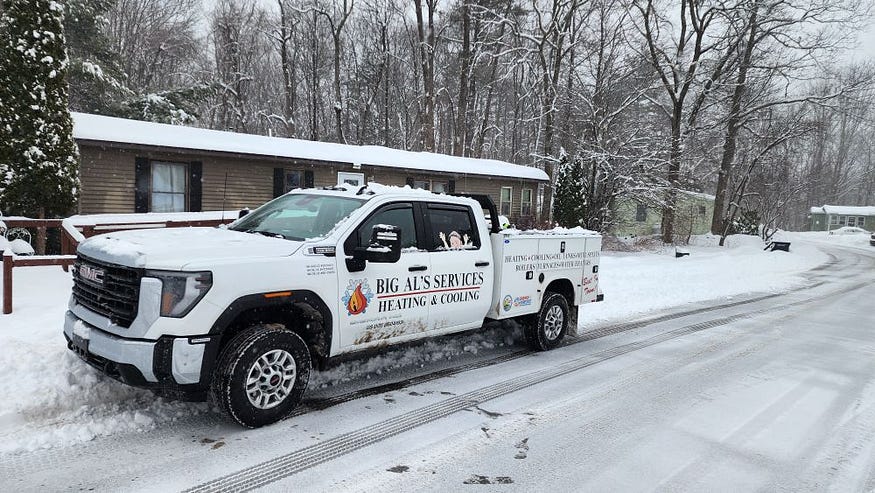
Oil tanks — whether above-ground or buried — can pose serious environmental and safety risks when they age, leak, or become unused. That’s why Oil Tank Removal Services are highly regulated and must follow strict safety standards.
For homeowners, understanding these rules is essential to protect your property, avoid legal complications, and ensure the tank is removed correctly.
Whether you’re replacing a heating system, upgrading to a safer fuel source, or preparing your home for sale, professional removal is the only safe and compliant approach. A licensed heating and cooling contractor ensures the entire process meets state and federal safety guidelines.
Why Proper Oil Tank Removal Matters
Oil tanks hold fuel that can become hazardous over time due to corrosion and leaks. Even a small leak can contaminate soil, groundwater, and indoor air — leading to costly cleanup and health risks.
Here’s why proper removal is critical:
1. Prevents Environmental Contamination
Old tanks can release oil gradually into the soil. Cleanup costs for contaminated soil often reach tens of thousands of dollars if neglected.
2. Avoids Fire and Explosion Hazards
Even empty tanks can contain flammable vapors. Professional contractors use certified equipment to clean and vent tanks before removal.
3. Protects Homeowners Legally
Many states require specific documentation and approval after removal. DIY removal is illegal in many areas.
4. Required Before Selling a Home
Buyers and inspectors typically require proof that unused oil tanks have been properly removed and documented.
Safety Rules Every Homeowner Should Follow During Oil Tank Removal
Below are the key safety guidelines to understand before scheduling Oil Tank Removal Services.
1. Always Hire a Licensed Heating and Cooling Contractor
Oil tank removal must never be attempted by homeowners. Certified HVAC contractors are trained in:
- Tank draining
- Fuel disposal
- Vapor cleaning
- Tank cutting and extraction
- Environmental safety regulations
A licensed heating and cooling contractor ensures the process meets local and federal codes.
2. Get a Site Assessment Before Removal
A professional contractor will evaluate:
- Tank condition
- Soil integrity
- Potential leaks
- Location of pipes and utilities
- Any environmental hazards
This step helps determine the safest removal method.
3. Properly Pump Out and Clean the Tank
Before extraction, technicians must:
- Remove remaining oil
- Clean sludge buildup
- Vent toxic gases
- Neutralize residual vapors
This prevents fire hazards and ensures safe cutting or lifting.
4. Disconnect All Fuel Lines Safely
Fuel lines must be capped, removed, or replaced without risking leaks or pressure buildup. This step requires special tools and certified handling.
5. Follow State and Local Regulations
Every region has its own requirements for:
- Permits
- Inspections
- Disposal methods
- Proof of decommissioning
Failing to follow these rules may lead to fines or permit issues later.
6. Use Proper Disposal and Recycling Facilities
Oil tanks cannot be thrown into regular waste streams. Professional services ensure:
- Safe transportation
- Certified recycling
- Environmentally approved disposal
- Documentation for homeowners
7. Test Soil (Especially for Underground Tanks)
Soil testing verifies whether:
- Any leaks occurred
- Remediation is needed
- The property remains compliant
Early detection can save homeowners thousands.
Do You Need Oil Tank Removal? Key Signs to Watch For
- Visible rust or corrosion
- Fuel odor around tank or basement
- Unexplained increase in heating costs
- Damp or stained soil around outdoor tanks
- Home inspection flagged it
- Switching from oil heating to gas or electric
If you notice any of these, schedule an inspection immediately.
Why Hire a Heating and Cooling Contractor for Tank Removal?
Professional HVAC contractors specialize in fuel systems, venting, heating equipment, and environmental safety. They ensure:
- Proper cleaning
- Safe removal
- Code compliance
- Correct disposal
- Ready-to-install setup for your updated heating system
A heating and cooling contractor also helps homeowners transition to newer, safer, and more efficient systems after removal.
FAQ: Oil Tank Removal Services
1. How long does oil tank removal take?
Most removals take 2–6 hours, depending on tank size and location.
2. Do I need a permit for oil tank removal?
Yes. Most towns require a permit and an inspection after removal. Your contractor handles this.
3. Can a leaking oil tank be removed safely?
Yes, but it requires soil testing and additional safety procedures. Immediate removal is recommended.
4. Is it expensive to remove an oil tank?
Prices vary based on tank type and location. On average, removal costs range from $1,000–$3,000, plus soil remediation if needed.
5. Can I remove an oil tank myself?
No. DIY removal is unsafe, illegal in many states, and highly dangerous. Always hire certified professionals.
6. What happens to the oil that’s left inside?
Professionals pump it out, filter it, and dispose of or recycle it safely.
Why Homeowners in Southern NH Trust Big AL’s Services
When it comes to safe, compliant, and professional Oil Tank Removal Services, homeowners throughout Salem, NH, Atkinson, Windham, Plaistow, Methuen, Nashua, Newton, and surrounding Southern NH areas trust Big AL’s Services for reliable expertise. As a certified heating and cooling contractor, Big AL’s Services handles oil tank inspections, removal, cleanup, and system upgrades with the highest safety standards. Our team ensures every job meets state regulations while protecting your property, your home’s value, and your family’s safety. Whether you need oil tank removal, furnace repair, heating system installation, or routine HVAC maintenance, Big AL’s Services delivers fast, dependable, and affordable solutions. Visit us to schedule your service today.