Navigating the E-commerce Landscape: Funding Online Sellers Through an E-Commerce Business Loan and MSME Scheme
The e-commerce market has experienced unprecedented growth over recent years, with millions of online sellers emerging across diverse industries.
 nancy ahuja
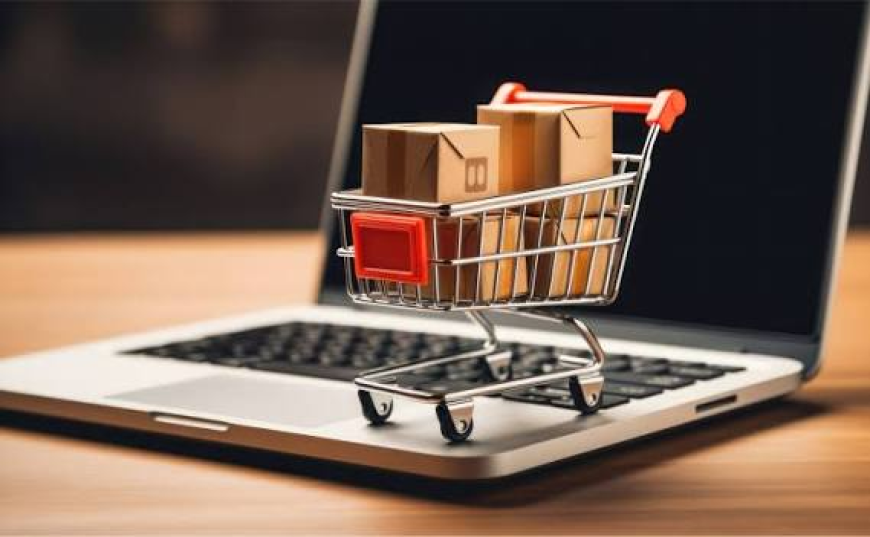
In today's digital age, e-commerce has transformed how we buy and sell products. From small startups to established retailers, the ability to operate online has leveled the playing field, allowing businesses to reach a global audience. However, establishing a successful e-commerce venture does not come without its challenges. One of the most significant hurdles is securing adequate funding. Fortunately, there are various financial options available, including e commerce business loans and MSME (Micro, Small, and Medium Enterprises) loan schemes aimed at helping new businesses flourish in the competitive online marketplace.
Understanding the E-Commerce Landscape
The e-commerce market has experienced unprecedented growth over recent years, with millions of online sellers emerging across diverse industries. This growth has prompted many entrepreneurs to consider launching their e-commerce platforms. However, while the potential for profit is vast, starting an e-commerce business also requires a significant upfront investment—covering elements like inventory, website development, marketing, and logistics.
To navigate this financial maze, understanding the options available for funding is crucial. That's where e-commerce business loans and MSME loan schemes come into play.
What is an E-Commerce Business Loan?
An e-commerce business loan is specifically designed for online retailers to access the funds they need to grow their operations. These loans can be used for various purposes, such as purchasing inventory, upgrading technology, and launching marketing campaigns. The key characteristics of e-commerce business loans include:
1. Purpose-Driven Financing:
E-commerce business loans are tailored to meet the unique requirements of online sellers, ensuring that your funds go towards areas that will enhance your business.
2. Flexible Repayment Options:
Many lenders offer flexible repayment plans based on your sales performance, allowing you to repay the loan in a way that aligns with your cash flow.
3. Quick Approval Processes:
In contrast to traditional bank loans, e-commerce loans often involve quicker approval times, enabling sellers to access funds rapidly when opportunities arise.
4. Online Accessibility:
With the entire application process being online, it’s convenient for e-commerce entrepreneurs who are already accustomed to digital platforms.
The MSME Loan Scheme for New Business
The msme loan scheme for new business is more than just another funding option; it is a government initiative aimed at promoting entrepreneurship. This scheme is particularly beneficial for new businesses, including those operating in the e-commerce sector. Here are the primary features:
1. Subsidized Interest Rates:
MSME loan schemes often come with lower interest rates compared to traditional loans, alleviating the financial burden on new businesses.
2. Government Support:
Being backed by the government, these schemes are designed to make funding more accessible and encourage the growth of new enterprises.
3. Varied Loan Amounts:
MSME loans cater to a wide range of funding needs, whether you require a small amount to kickstart your business or a larger sum for substantial investments.
4. Support and Guidance:
By being part of the MSME initiative, businesses can access various governmental resources, including training programs and advisory services that can help streamline operations.
How to Choose the Right Funding Option
When considering funding options for your e-commerce business, it's essential to analyze your specific needs and circumstances. Here are some steps to guide you in choosing the right financial assistance:
1. Define Your Purpose:
Clearly outline why you need funding—whether it's for inventory, technology upgrades, or marketing campaigns. This will help you determine the type of loan that best suits your needs.
2. Evaluate Your Financial Health:
Review your current financial status, including revenue, operating costs, and cash flow. This assessment will provide insight into the amount of funding you need and your ability to repay a loan.
3. Research Loan Options:
Investigate different lenders and loan products, focusing on interest rates, terms, and repayment flexibility. Compare the e-commerce business loans against the MSME loan schemes to see which aligns better with your business goals.
4. Consider the Application Process:
Assess the ease of application and approval processes of different loans. Some lenders may offer faster approvals than others, which can be crucial for taking advantage of emerging opportunities.
5. Seek Expert Advice:
If you're unsure, consider consulting a financial advisor who specializes in business loans. They can provide valuable insights and help you make informed choices.
Real-Life Success Stories
To illustrate the impact of e-commerce business loans and MSME schemes, let’s look at a few success stories from online sellers who have navigated their funding journeys effectively.
Case Study 1: Tech Gadgets Store
A small e-commerce business specializing in tech gadgets faced difficulty scaling up due to limited funding. After researching their options, they applied for an e-commerce business loan, which allowed them to purchase new inventory and launch an effective marketing campaign. Within six months, their revenue tripled, and they could repay the loan easily thanks to the flexible repayment terms.
Case Study 2: Handcrafted Jewelry
A handmade jewelry entrepreneur took advantage of the MSME loan scheme targeting new businesses. With the capital, she was able to expand her production capacity, invest in marketing, and ultimately increase sales. The combination of reduced interest rates and government-backed support allowed her to grow her business sustainably while keeping financial pressures manageable.
The Future of E-Commerce Funding
As e-commerce continues to evolve, so will the available funding options for online sellers. With emerging technologies such as artificial intelligence and blockchain, new financing models and platforms are likely to arise, providing even more tailored solutions for entrepreneurs. Furthermore, government initiatives will likely expand, creating more equitable access to opportunities—ensuring that small and medium-sized enterprises can compete effectively in the digital marketplace.
Conclusion
The e-commerce revolution has opened up significant opportunities for sellers worldwide. However, leveraging these opportunities often requires external funding in the form of e-commerce business loans or MSME loan schemes. By understanding your options and following the steps outlined in this article, you can make informed decisions that will empower your business to thrive online. The digital landscape is ripe for innovation, and with the right financial backing, you can embark on a successful journey as an online seller. Embrace the challenge, secure the funding you need, and watch your e-commerce business soar.