Moisture Damage Creeping Into Your Logs? What Proper Log House Restoration Can Fix
 crissmiel
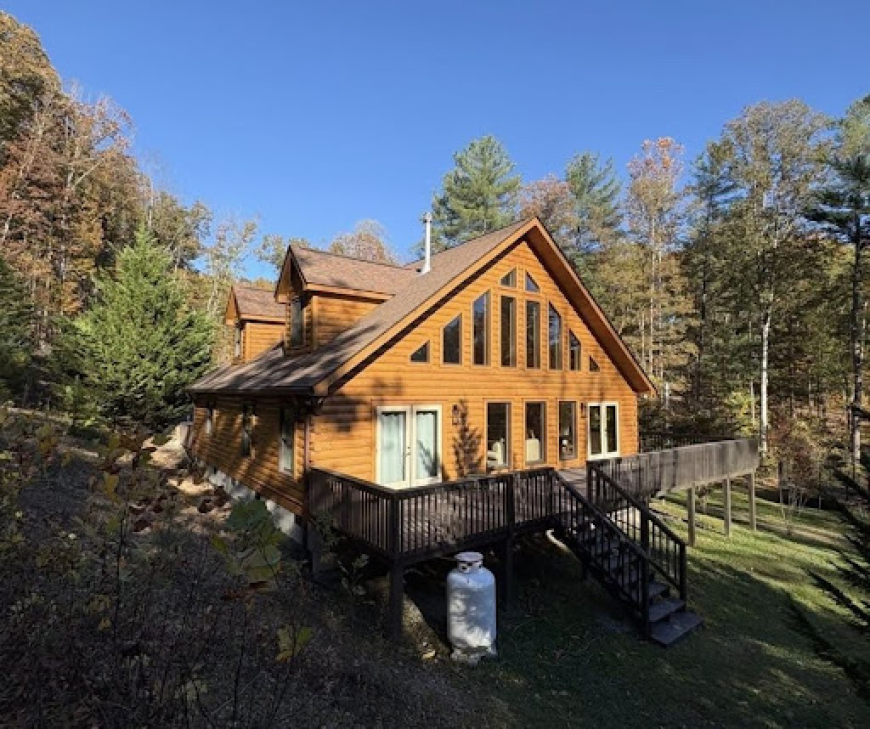
If you’ve noticed your log home looking a little worse for wear—discoloration, soft spots, maybe even tiny cracks forming along the corners—you’re probably staring down the slow, sneaky work of moisture. It doesn’t announce itself with a bang. No sir. It creeps. And if you don’t act fast, that creeping water can do some serious damage. That’s where log house restoration comes in. Done right, it’s more than a cleanup. It’s a rescue mission for your home.
Why Moisture Loves Log Homes
Logs are beautiful. Natural, sturdy, full of character. But they’re also thirsty little suckers. Wood absorbs moisture like a sponge. That’s not a problem when your home is well-sealed and maintained, but life happens. Rain, snow, humidity, even the occasional leaky gutter—over time, it all seeps in.
Moisture doesn’t just make things look bad. It weakens the structure. Causes mildew. Leads to rot. And once rot starts, it spreads faster than you’d think. That’s why a timely log house restoration isn’t just cosmetic. It’s about keeping your home safe, structurally sound, and enjoyable to live in.
The tricky part? Moisture damage often hides. That dark patch in the corner? Could be surface staining—or could be the tip of an iceberg of decay inside your log walls.
Signs You Need Log House Restoration
You don’t need to wait for a log to collapse before calling in a pro. A few red flags worth noticing:
-
Soft or spongy spots when you press on the logs
-
Cracks or splits that seem to be growing
-
Discoloration, dark streaks, or water stains
-
Musty odors lingering in rooms
-
Flaking or peeling finishes
Some of these are obvious. Others? Not so much. But all of them suggest that moisture has made itself at home, and ignoring it is a gamble.
What Log House Restoration Actually Fixes
Here’s the honest truth: a good restoration can’t make a rotted log “brand new,” but it can stop the rot in its tracks, protect against future damage, and restore a lot of your home’s charm. Restoration isn’t about covering up problems—it’s about repairing rotted logs log home owners often panic over, replacing what’s beyond repair, and treating what’s salvageable.
The process usually includes:
-
Inspection and Assessment: Pros will check every log, inside and out. They look for moisture pockets, decay, and structural weakness. Think of it as a medical exam for your house.
-
Cleaning and Prep: Dirt, mildew, and old finishes are stripped away. This isn’t about being pretty; it’s about making the wood ready to accept treatment.
-
Rot Removal and Log Repair: Here’s where those rotted sections get removed or patched. Epoxy fillers, log splicing, and sometimes full log replacement come into play. This step is crucial—skipping it is basically leaving rot to spread unchecked.
-
Sealing and Finishing: After repairs, the logs are treated with preservatives and stains. The goal is to block moisture, UV damage, and pests. Proper sealing prolongs the life of your restoration and gives the logs a refreshed look.
It’s labor-intensive work, sure. But done right, your log home is not just repaired—it’s fortified.
Why DIY Isn’t Enough
I get it. Log homes look simple. Big logs, tight corner joints, and a coat of stain—how hard can it be? But here’s the catch: moisture damage is sneaky. You might patch a spot or slap on a sealant, but unless you properly repair log cabin rot and address every hidden wet area, you’re just delaying the inevitable.
Improper repairs can even make things worse. Trapping moisture inside a log? Yeah, that speeds up decay. Using the wrong filler or sealant? That can crack, peel, or fail under weather exposure. A proper log house restoration is not just about elbow grease; it’s about understanding how wood behaves, how water moves, and what treatments last.
Preventing Future Moisture Problems
Restoration isn’t just a one-and-done deal. Once you’ve got your logs back in shape, you need to think like a log. What do I mean? Keep water off, away, and moving.
-
Gutters and downspouts should channel water far from your foundation.
-
Roof overhangs and flashing prevent water from running down your walls.
-
Regular staining and sealing maintain a water-resistant barrier.
-
Trim plants away from the logs. Moisture + leaves + logs = rot cocktail.
Even with the best restoration, neglecting these basics can undo months of hard work.
The Long-Term Benefits of Restoration
Let’s be real: log house restoration isn’t cheap. But here’s why it’s worth it:
-
Your home keeps its structural integrity. No sagging, no soft spots, no surprises.
-
You preserve the natural beauty of your logs. That deep grain and color? It comes alive again.
-
You prevent small moisture problems from turning into expensive disasters.
-
A well-restored home retains value better, especially if you ever plan to sell.
It’s not just fixing damage—it’s buying peace of mind.
Conclusion: Don’t Let Moisture Win
Moisture doesn’t negotiate. It creeps in quietly, but it leaves a trail of decay that can ruin a log home if left unchecked. The key is recognizing the signs early and calling in a proper log house restoration before the damage becomes catastrophic. From repairing rotted logs log home owners dread dealing with, to sealing, treating, and preserving, restoration is the defense your home needs.
Your log home deserves more than temporary fixes. It deserves the kind of attention that stops moisture in its tracks, preserves structural integrity, and keeps that warm, rustic charm intact for decades to come. Ignore the creeping damp at your own risk—because once moisture takes hold, it’s not just an eyesore. It’s a problem that gets expensive, fast.