Modern Dinnerware Cost Guide: Dinner Set Price in Pakistan
The primary factor determining the Dinner Set Price in Pakistan is the manufacturing material. The local market offers diverse options including budget-friendly melamine.
 Lucas2
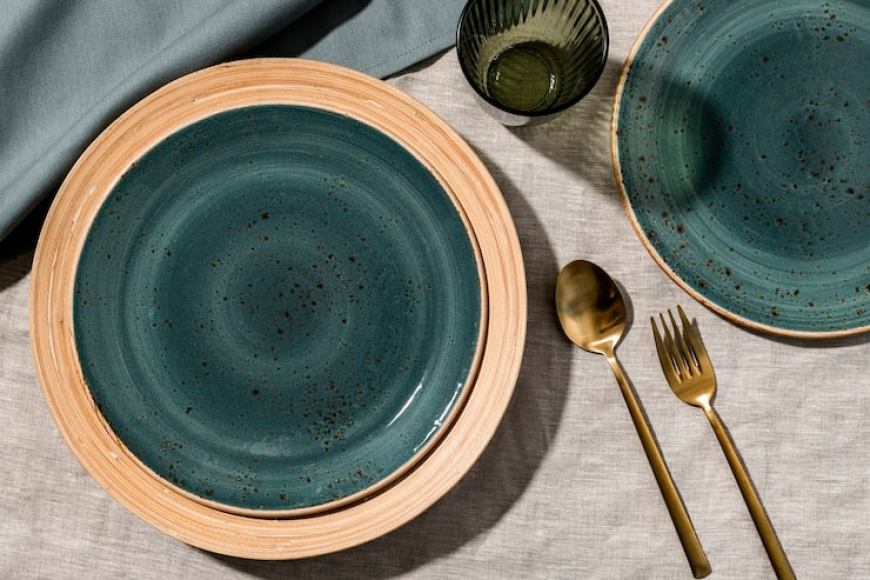
Setting up an elegant dining table is an essential part of Pakistani hospitality. Whether hosting an intimate family dinner or a grand festive Daawat, the right choice of tableware reflects your lifestyle and attention to detail. However, navigating the market to find a high-quality collection requires balancing material, durability, piece counts, and overall aesthetics. The actual budget you need to allocate depends heavily on these variables. From casual everyday options to premium bridal crockery sets, understanding the dynamic market rates ensures you make an informed purchase decision.
The primary factor determining the Dinner Set Price in Pakistan is the manufacturing material. The local market offers diverse options including budget-friendly melamine, classic ceramic, durable stoneware, elegant porcelain, and ultra-premium bone china. Each option serves a distinct lifestyle purpose, carrying its own unique price bracket and maintenance considerations.
Complete Market Overview of Material-Wise Pricing
Premium Bone China Sets
Bone china remains the gold standard of luxury tableware in Pakistani households. Known for its remarkable translucency, delicate lightweight feel, and surprising chip resistance, it is typically reserved for formal gatherings, weddings, or dowry collections. A standard 61-piece or 75-piece luxury bone china set designed for 8 persons generally ranges from Rs. 45,000 to Rs. 125,000. Imported luxury brands like Noritake or high-end European designs featuring real gold or platinum filigree trims easily command premium prices starting from Rs. 150,000 to Rs. 450,000+.
Elegant Porcelain and Ceramic Sets
Porcelain and high-grade ceramic sets strike a perfect balance between everyday functionality and formal sophistication. Porcelain is fired at higher temperatures than standard ceramic, offering excellent resistance to heat absorption and physical scratching. A standard 24-piece to 38-piece ceramic breakfast or lunch set is priced between Rs. 15,000 and Rs. 35,000. Meanwhile, comprehensive 61-piece or 72-piece glazed porcelain dinner sets fluctuate between Rs. 38,000 and Rs. 85,000, making them a highly popular choice for contemporary urban homes.
Trendy Stoneware Collections
Stoneware has witnessed a major surge in popularity due to its rustic, artisanal aesthetic and thick, durable build. Featuring unique matte, speckled, or earthy glazed finishes, these sets are highly favored by younger homeowners and modern apartments. An 18-piece or 24-piece stoneware collection typically retails between Rs. 24,000 and Rs. 40,000. They provide a highly photogenic and contemporary table setup while remaining fully microwave and dishwasher safe.
Durable Melamine Dinnerware
For daily household use, households with young children, or casual outdoor dining, double-glazed melamine sets are the preferred choice. Modern melamine dinnerware mimics the glossy sheen of porcelain while remaining virtually unbreakable and exceptionally scratch-resistant. High-quality, BPA-free double-glazed or crystal-coated melamine sets consisting of 72 to 88 pieces offer extensive value, generally costing between Rs. 15,000 and Rs. 32,000.
Analyzing Piece Counts and Serving Capacity
Understanding how piece counts translate into real-world utility helps prevent buying errors. Selecting the wrong size configuration can lead to serving shortages during larger social gatherings.
| Total Piece Count | Ideal Serving Capacity | Typical Configuration Breakdown | Estimated Price Range (PKR) |
| 18 to 24 Pieces | 6 Persons (Basic) | Dinner plates, deep soup plates, and small bowls | Rs. 8,000 – Rs. 25,000 |
| 32 to 38 Pieces | 6 to 8 Persons (Mid) | Plates, bowls, small serving platters, and a tea/soup accessory | Rs. 25,000 – Rs. 45,000 |
| 61 to 75 Pieces | 8 Persons (Full Formal) | Full plates, side plates, soup bowls, sweet bowls, serving handis, rice platters, and tea service | Rs. 45,000 – Rs. 135,000 |
| 85 to 98 Pieces | 12 Persons (Grand) | Complete comprehensive catering configuration including multiple platters, tureen pots, and full dessert/tea layouts | Rs. 75,000 – Rs. 250,000+ |
Key Factors Influencing Dinnerware Pricing
When browsing online stores or physical retail markets, you will notice significant cost variations even among sets that look visually similar. Several underlying factors drive these valuation shifts.
Import Custom Duties and Origin of Manufacture
Products imported from regions renowned for elite craftsmanship—such as Japan, Turkey, or England—face higher international freight charges and strict import tariffs. Local or regional Asian fabrications keep costs significantly lower, while offering competitive durability for daily household routines.
Detailing Techniques and Aesthetic Finishes
The complexity of a set's pattern heavily influences the final retail price tag. Plain solid colors or basic digital prints cost less to produce. Conversely, intricate hand-painted Moroccan motifs, detailed bohemian mandalas, or reactive glaze techniques demand higher market values. Furthermore, tableware embellished with real metallic gold or platinum borders requires delicate handwashing and specific handling, which increases production costs.
Thermal Resistance and Utility Safety
Premium stoneware and porcelain variants undergo high-temperature firing processes that make them completely safe for microwave, oven, and dishwasher use. Budget variants or items with metallic overlays can crack, spark, or degrade under high thermal stress. The structural engineering required to ensure long-term thermal safety naturally raises the initial acquisition cost.
Practical Tips for Buying a Dinner Set Online
Purchasing delicate tableware through digital retail channels requires a strategic approach to guarantee a secure, satisfactory transaction.
-
Carefully Verify Material and Piece Specifications: Do not rely solely on digital product photographs. Carefully read the detailed product description to confirm whether the material is genuine bone china, ceramic, or basic melamine. Check the exact piece breakdown to ensure the set includes all necessary serving platters, handis, and bowls.
-
Confirm the Store’s Transit Damage Policy: Because crockery is fragile, verify that the online retailer provides an explicit transit damage guarantee. Reliable stores offer complimentary replacements for any plates or lids chipped or broken during shipping, provided you document the issue with an unboxing video.
-
Cross-Check Microwave and Dishwasher Compatibility: If your household depends on a microwave for daily food reheating or uses an automatic dishwasher, confirm the product description explicitly states the set is safe for these appliances. Using incompatible dinnerware can cause cracking or ruin beautiful metallic trim details.
-
Match the Aesthetic to Your Dining Space: Choose a design that complements your existing dining environment. Minimalist solid tones and matte finishes blend beautifully with modern interiors, while traditional floral patterns and gold-rimmed borders pair perfectly with classic wooden furniture and formal dining setups.
Maintenance Guide for Long-Lasting Tableware
Investing in a premium dinner set is only half the battle; proper preservation preserves its factory shine and prevents premature scratching or structural damage over time.
-
Handle Metallic Trims with Extra Care: Never place plates accented with gold or platinum borders inside a microwave. The metallic components will spark, damaging the appliance and permanently burning the beautiful pattern. Handwash these delicate pieces using a soft microfiber cloth instead of abrasive steel wool scrubbers.
-
Prevent Abrupt Temperature Shocks: Avoid exposing ceramic or glass dinnerware to sudden, extreme temperature changes. Placing a freezing cold plate directly from the refrigerator into a hot preheated oven, or pouring boiling hot soup into a chilled porcelain bowl, creates intense thermal shock that can cause the material to shatter.
-
Use Smart Protective Stacking: When stacking your premium plates inside kitchen cabinets, place soft felt pads, paper towels, or thin foam sheets between each layer. This simple barrier prevents the rough bottom ring of one plate from scratching the delicate glazed surface of the plate beneath it.