Choose Best Meniscus Cyst Treatment For Active Adults Knee Health
Learn about meniscus cyst symptoms, causes, diagnosis, and treatment options that help active adults reduce knee pain and improve movement.
 painclinicindesoto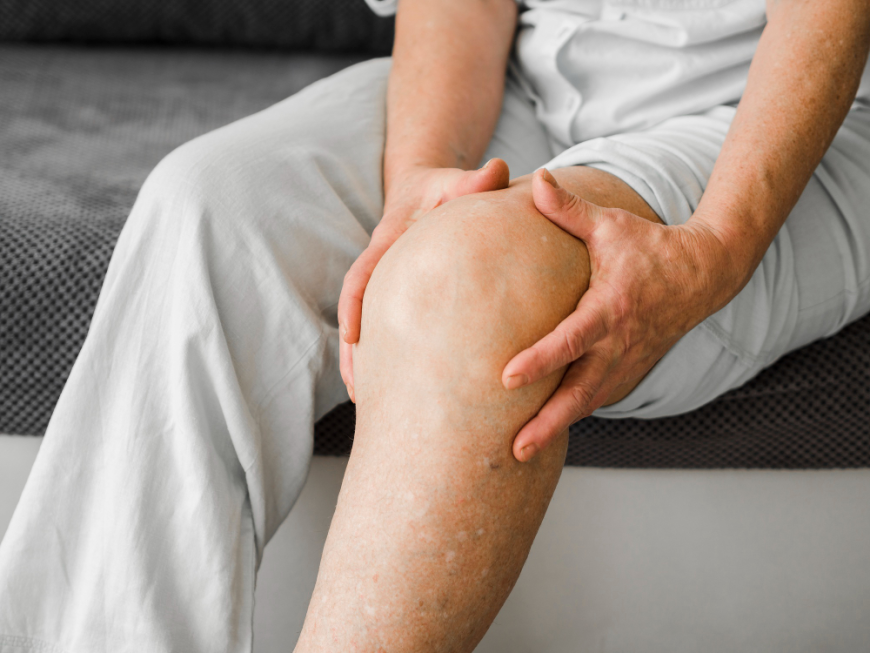
Many active adults are surprised when knee pain starts affecting simple daily activities. Walking, climbing stairs, exercising, or even standing for long periods can become difficult. Meniscus cyst treatment can help to reduce pain, improve movement, and prevent the condition from becoming more serious.
Research shows that knee injuries and cartilage damage are common among adults who participate in sports, physical work, or repetitive activities. A meniscus cyst may develop gradually and remain unnoticed until pain and swelling begin to interfere with daily life.
What is a Meniscus Cyst?
A meniscus cyst is a fluid-filled sac that develops near the meniscus, which is the cartilage that cushions the knee joint. These cysts often form when a small tear in the meniscus allows joint fluid to collect in the surrounding tissue. While some cysts remain small, others may grow larger and create visible swelling on the side of the knee.
Many people do not realize they have a meniscus cyst until symptoms begin to affect movement. Pain may increase during exercise, bending, squatting, or walking. The condition can make it harder to participate in activities that were once comfortable. Early diagnosis allows healthcare providers to identify the source of the problem and recommend appropriate treatment options.
Common Symptoms of a Meniscus Cyst
Symptoms can vary depending on the size of the cyst and the amount of damage within the knee. Some patients notice a small lump near the knee joint, while others mainly experience pain and stiffness. The symptoms may worsen after physical activity or long periods of standing.
A meniscus cyst may also limit the knee’s range of motion. Patients sometimes report clicking, locking, or a feeling that the knee is unstable. Swelling around the joint may come and go throughout the day. Because these symptoms are similar to other knee conditions, a proper medical evaluation is important for an accurate diagnosis.
Why Meniscus Tears Often Cause Cysts?
A meniscus cyst is commonly linked to a tear in the knee cartilage. When the meniscus develops a tear, joint fluid can escape through the damaged area and collect nearby. Over time, this fluid may form a cyst that creates pressure and irritation around the knee.
Many active individuals require meniscus tear treatment in Desoto, TX after sports or repetitive knee strain. Treating the tear is often an important step in preventing the cyst from returning. Addressing both conditions together can improve long-term outcomes and help patients regain normal knee function.
How Meniscus Cyst Treatment Helps?
The goal of meniscus cyst treatment is to relieve pain, reduce swelling, and improve knee function. Treatment recommendations depend on the size of the cyst, the severity of symptoms, and the condition of the meniscus. Some patients respond well to conservative care, while others may require more advanced treatment.
Professional treatment focuses on identifying the root cause of the problem rather than simply managing symptoms. By addressing the damaged cartilage and reducing inflammation, patients often experience significant improvements in mobility. Early intervention may also help reduce the risk of additional knee damage in the future.
Non Surgical Treatment Options
Many patients can benefit from non-surgical approaches before considering an operation. Conservative care is often recommended when symptoms are mild or moderate and the cyst is not causing major limitations in daily life. Consulting with an expert pain doctor in Desoto allows patients to receive a detailed assessment of their symptoms.
Diagnostic imaging and physical examination findings help determine the best course of action. Early medical attention can help prevent worsening symptoms and support a faster return to normal activities. Treatment options may include:
-
Rest and activity modification
-
Physical therapy exercises
-
Anti-inflammatory medications
-
Knee bracing for support
-
Image-guided injections
-
Ice therapy to reduce swelling
When Surgery May Be Recommended
Surgery may become necessary when symptoms continue despite conservative treatment. Large cysts, ongoing pain, or significant meniscus damage may require a more advanced approach. Surgical treatment aims to address both the cyst and the underlying tear within the meniscus. Patients considering meniscal surgery in Desoto often undergo imaging studies to determine the extent of the damage.
Modern surgical techniques can help reduce pain, improve knee stability, and support recovery. A thorough evaluation helps determine the most appropriate treatment plan for each individual. Preserving the meniscus is often beneficial because it helps maintain the knee’s natural cushioning and stability.
Patients who undergo meniscus repair surgery in Desoto often have the opportunity to preserve more of their natural knee structure. Recovery may take longer than some other procedures, but maintaining healthy cartilage can provide important long-term benefits.
Tips for Protecting Your Knees
Maintaining healthy knees requires attention to movement, strength, and overall joint care. Small lifestyle adjustments can help reduce stress on the knee joint and support recovery after treatment.
-
Maintain a healthy body weight
-
Warm up before exercise
-
Strengthen the muscles around the knee
-
Use proper form during physical activities
-
Avoid repetitive knee strain
-
Seek medical attention for persistent pain
Conclusion
Living with a meniscus cyst can make daily activities more difficult, but effective meniscus cyst treatment options are available such as physical therapy, knee bracing, and surgical procedures. From conservative therapies to advanced surgical procedures, patients have several options for restoring knee function and returning to the activities they enjoy. Consultation with a board certified knee pain doctor in Desoto to take the first step toward improved knee health and lasting relief.
Frequently Asked Questions
What causes a meniscus cyst?
A meniscus cyst usually develops when joint fluid escapes through a tear in the meniscus and collects near the knee joint.
Can a meniscus cyst go away on its own?
Some small cysts may become less noticeable over time, but many require medical evaluation and treatment to address the underlying cause.
Is a meniscus cyst painful?
Yes. Many patients experience knee pain, swelling, stiffness, and difficulty with movement or physical activity.
When is surgery needed for a meniscus cyst?
Surgery may be recommended if pain continues despite conservative treatment or if significant meniscus damage is present.
How long does recovery take after meniscus repair surgery?
Recovery varies depending on the severity of the injury and the procedure performed. Many patients require several weeks to months of rehabilitation.
Can I exercise with a meniscus cyst?
Light activity may be possible, but high-impact exercise can worsen symptoms. A healthcare provider can recommend appropriate activity levels.