Maintenance Tips to Keep Your Retaining Wall Looking New
Discover simple maintenance tips to keep your retaining wall strong, safe, and looking new. Learn how cleaning, drainage, and care extend its lifespan.
 smithjohn
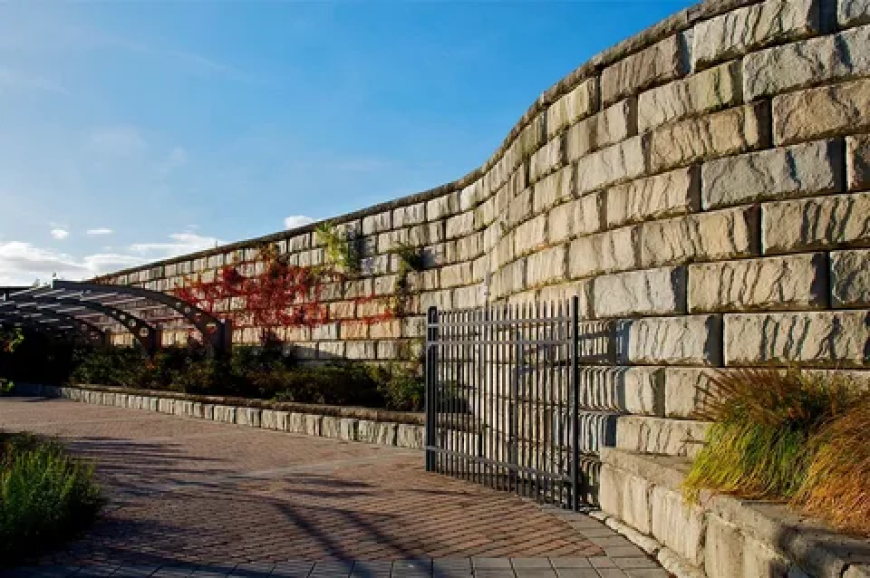
A retaining wall is more than just a functional feature in a yard it plays a key role in holding back soil, preventing erosion, and creating defined spaces in a landscape. Beyond its practical benefits, it also enhances curb appeal and adds structure to outdoor areas. Like any part of your property, however, retaining walls require proper upkeep to stay strong, safe, and visually appealing. By following a few straightforward maintenance practices, homeowners can ensure their walls remain durable and attractive for many years.
Regular Cleaning to Prevent Stains and Dirt Build-up
Retaining walls are constantly exposed to the elements, which makes them prone to dirt, mold, algae, and staining. Over time, these can dull the surface and compromise the wall’s appearance. A simple cleaning routine can prevent long-term damage and help your wall look fresh.
Gentle pressure washing is often the most effective method, though it’s best to avoid overly harsh settings that could damage the surface. For smaller stains, scrubbing with a soft brush and a mild detergent works well. Depending on your wall’s location and surrounding environment, a seasonal cleaning every three to six months is usually enough to keep it in great condition.
Inspecting for Cracks and Structural Shifts
One of the most important aspects of maintenance is checking for signs of structural wear. Cracks, bulges, or leaning sections may indicate shifting soil or drainage issues. If ignored, these small problems can quickly lead to bigger, more costly repairs.
Homeowners in areas with clay-heavy soil or frequent rainfall should be especially vigilant. For instance, someone considering a retaining wall sydney installation would need to take into account how moisture and soil movement affect long-term stability. Early detection is key addressing minor cracks immediately prevents them from expanding and preserves the wall’s integrity. If you notice significant movement or damage, it’s best to call in a professional for assessment and repair.
Managing Drainage Around the Wall
Proper drainage is the backbone of any retaining wall. When water builds up behind a wall, it increases pressure on the structure and weakens its foundation. Over time, this can cause cracks, leaning, or even complete collapse.
One way to maintain good drainage is by keeping weep holes clear of debris. These outlets allow water to flow freely rather than building up behind the wall. Installing gravel or a drainage pipe during construction also helps direct water away. Regularly inspect the soil and nearby landscaping features to ensure water isn’t pooling near the wall. By taking a proactive approach to drainage, you can protect both the structure and surrounding yard.
Controlling Vegetation Growth
While plants and greenery can make a retaining wall look beautiful, unchecked growth can also cause significant damage. Tree roots, in particular, are strong enough to push against the wall and weaken its foundation over time. Similarly, invasive vines or shrubs can wedge into cracks and widen them.
To prevent this, avoid planting trees or large shrubs too close to the wall. Opt for shallow-rooted plants, ground covers, or decorative flowers that won’t interfere with the structure. Routine trimming and careful landscaping choices keep the wall looking tidy and free from hidden threats. A balance between greenery and structural safety ensures the wall complements the outdoor space without creating unnecessary risks.
Seasonal and Long-Term Maintenance Checks
Every season brings unique challenges for outdoor structures, and retaining walls are no exception. Heavy rain, extreme heat, and even prolonged dryness can all affect stability. Seasonal inspections help catch problems early and prevent costly repairs later.
In wetter months, check for pooling water and ensure drainage outlets remain clear. During dry seasons, inspect for soil shrinkage, which may reduce support for the wall. An annual professional inspection adds another layer of protection, especially for older structures or walls supporting significant loads.
Homeowners who schedule regular upkeep and address small issues before they escalate save themselves money and extend the life of their investment. Professionals often recommend mid-year and end-of-year checks to ensure a wall remains structurally sound.
The Importance of Ongoing Care
By now, it’s clear that regular maintenance is not just about looks it’s about preserving safety and structural strength. A well-kept wall supports the landscape, prevents soil erosion, and enhances property value. Whether through cleaning, inspections, or professional servicing, ongoing care ensures a wall continues to do its job effectively.
For property owners who invested in a retaining wall sydney, these tips are particularly valuable. Local weather patterns, soil conditions, and environmental factors all make routine upkeep essential. Neglecting small issues can shorten the lifespan of the wall, while consistent maintenance keeps it looking new for decades.
Ultimately, retaining walls are both practical and aesthetic features. Treating them with the same attention you would give to your home’s foundation or roof pays off in the long run. By staying proactive, you not only preserve beauty but also protect your property from costly structural failures.
Conclusion
Retaining walls are hardworking structures that provide stability, prevent erosion, and enhance outdoor design. With simple but consistent maintenance, you can keep them strong, safe, and attractive for years. From regular cleaning and inspections to managing drainage and controlling vegetation, these practices extend the wall’s lifespan and preserve its value. Taking a proactive approach today means enjoying a sturdy, beautiful wall for many years to come.