Long Range Rifle Scopes Explained: Features, Types, and Buying Tips
 crissmiel
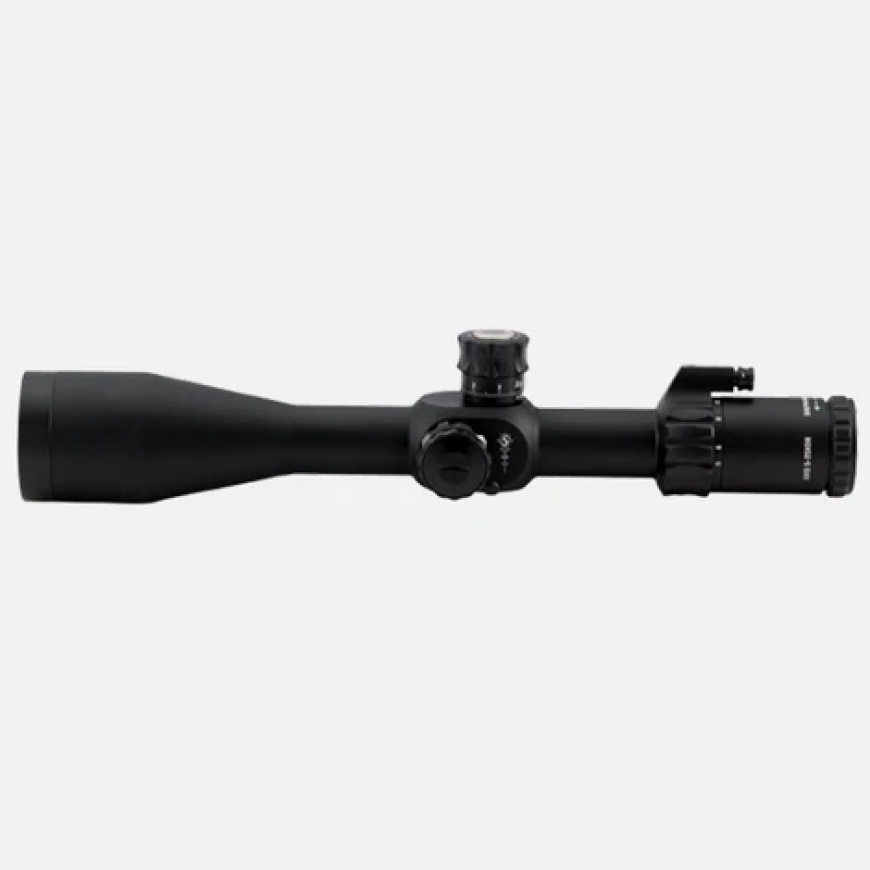
Getting into shooting beyond a few hundred yards changes things. Fast. What felt simple at 100 yards suddenly turns into a mix of math, patience, and a little bit of frustration if you’re not set up right. That’s where long range rifle scopes come in. Not just as an accessory, but as the thing that either makes your shot possible… or completely ruins it.
A lot of people assume a scope is just about zoom. Crank it up, see farther, done. Not really. There’s way more going on under the hood, and if you don’t understand it, you’ll end up wasting money or missing shots you should’ve made.
So yeah, let’s break it down. No fluff. Just what actually matters.
What Makes a Scope “Long Range”
A scope doesn’t magically become “long range” just because it zooms a lot. That’s the first mistake people make.
What you’re really looking at is how well the scope handles distance. That includes clarity at high magnification, how precise the adjustments are, and whether it holds zero after repeated shots. Cheap scopes might look fine at low power, but push them out past a few hundred yards and things get blurry, inconsistent… kinda useless.
Another thing is adjustment range. You need enough elevation travel to compensate for bullet drop. If your scope runs out of adjustment halfway to your target, it doesn’t matter how good everything else is.
And then there’s tracking. This is a big one. When you dial your turret, the reticle should move exactly how much it’s supposed to. Not close. Not “almost.” Exact. If it’s off, even slightly, you’ll chase your shots all day and never really know why.
Understanding Magnification Without Overthinking It
Magnification gets talked about way too much, honestly.
Yes, you need enough to see your target clearly. But more isn’t always better. High magnification narrows your field of view, makes mirage worse, and exaggerates every tiny movement you make. Suddenly your crosshair is bouncing like crazy and you’re fighting just to stay steady.
For most people getting into long range shooting, something in the mid-to-high range works fine. You don’t need extreme zoom unless you’re shooting really far or doing very specific types of shooting.
What matters more is clarity. A clear image at moderate magnification beats a blurry, shaky mess at max zoom. Every time.
Reticles: Where Precision Actually Happens
This is where things start getting real.
The reticle isn’t just a crosshair. In long range shooting, it becomes your reference system. You use it to hold for wind, adjust for elevation, and correct your shots without even touching the turrets sometimes.
There are different styles out there, but the key thing is how usable it is. Some are simple, others look like a grid exploded inside your scope. Neither is “better” universally. It depends on how you shoot.
One thing that matters, though, is whether the reticle scales with magnification or stays the same. That affects how accurate your holdovers are. If you don’t understand that part, you’ll get inconsistent results and probably blame your rifle when it’s not the problem.
Turrets and Adjustments: Small Movements, Big Impact
Turrets are those knobs you twist to adjust your aim. Sounds simple. It isn’t always.
Good turrets feel solid. Clicks are distinct. You know exactly how much you’re adjusting without guessing. Bad ones feel mushy, vague… you turn them and hope for the best.
But the real issue is consistency. If you dial up and then back down, your scope should return to the exact same zero. If it doesn’t, that’s a problem. A big one.
Also, you’ll hear people talk about units of adjustment. It’s just a way of measuring how much each click moves your point of impact. What matters is that you understand it and stick with one system. Mixing things up gets confusing fast.
Right around here is where people start diving deeper into optics for guns in general. Not just scopes, but how glass quality, coatings, and internal design affect what you actually see. And yeah, it matters. A lot more than most beginners think.
Glass Quality: The Thing You Can’t Fake
You can’t fix bad glass. No setting, no adjustment, nothing.
Good glass gives you a sharp image, better contrast, and helps you see details that would otherwise disappear. Especially in low light or at long distances where everything starts blending together.
Cheap glass? It might look okay at first. Then you notice the edges getting fuzzy. Colors look off. Eye strain kicks in after a while. It’s subtle, but it adds up.
And when you’re trying to hit something far away, those small visual differences turn into missed shots. Or worse, shots you don’t even take because you’re not confident in what you’re seeing.
Types of Long Range Scopes (Without Overcomplicating It)
There isn’t just one kind of long range scope, even if they all kinda look similar. When it comes to optics for guns, the variety is bigger than most people expect.
Some are built for dialing adjustments constantly. Others are more about holding over using the reticle. Some prioritize lightweight builds for carrying over long distances, while others are heavier but more robust.
Then you’ve got fixed vs variable magnification. Fixed scopes are simpler, often more durable, but less flexible. Variable scopes give you options, but come with more moving parts and, sometimes, more things that can go wrong.
None of these are “right” or “wrong.” It comes down to how you shoot, where you shoot, and what you actually need. Not what sounds impressive.
Buying Tips That Actually Matter
Here’s where people usually mess up. They either overspend on features they don’t understand, or go cheap and regret it later.
Start with your realistic shooting distance. Not what you want to shoot eventually. What you’re actually doing right now. Build from there.
Pay attention to adjustment range. Make sure the scope can handle the distances you’re aiming for. Look at the reticle and ask yourself if it makes sense to you. If it feels confusing now, it won’t magically get clearer later.
Weight matters more than people think. A heavy scope on a heavy rifle gets tiring, especially if you’re not shooting from a bench all day.
And don’t ignore durability. Long range shooting isn’t always done in perfect conditions. Dust, bumps, temperature changes… your scope needs to handle all of that without losing zero.
One more thing, and it’s important. Don’t chase trends. Just because something is popular doesn’t mean it’s right for you. Half the time people are buying gear based on what they saw online, not what they actually need.
Conclusion
Long range shooting isn’t about gear alone, but your scope plays a massive role. It’s the bridge between you and the target, and if that bridge is shaky, everything else falls apart.
Understanding long range rifle scopes takes a bit of time. You don’t need to know everything right away, but you do need to understand the basics. How adjustments work. What makes glass good or bad. Why reticles matter more than you thought.
Once that clicks, things get easier. Not easy, just… clearer.
And that’s really the point. Not to buy the most expensive setup or chase specs, but to build something that works for you. Something you trust when it counts.