Lattice Retinal Degeneration and Why Monitoring Is Important
 umarkhan
Your eyes are one of the most important parts of your body. They help you see the world clearly and enjoy everyday life. However, many eye conditions can develop slowly without showing clear symptoms at first. This is why regular eye check-ups are very important.
One such condition that people should be aware of is Lattice Retinal Degeneration. It may not sound very common, but it can affect the health of your retina and, if not monitored properly, may lead to serious problems like retinal tears or detachment.
In this blog, we will explain everything in a very simple way so that you can understand what this condition is, why monitoring matters, and how you can protect your vision.
What Is Lattice Retinal Degeneration?
Lattice Retinal Degeneration is a condition that affects the retina, which is the thin layer of tissue at the back of your eye. The retina plays a very important role in vision because it receives light and sends signals to the brain so you can see clearly.
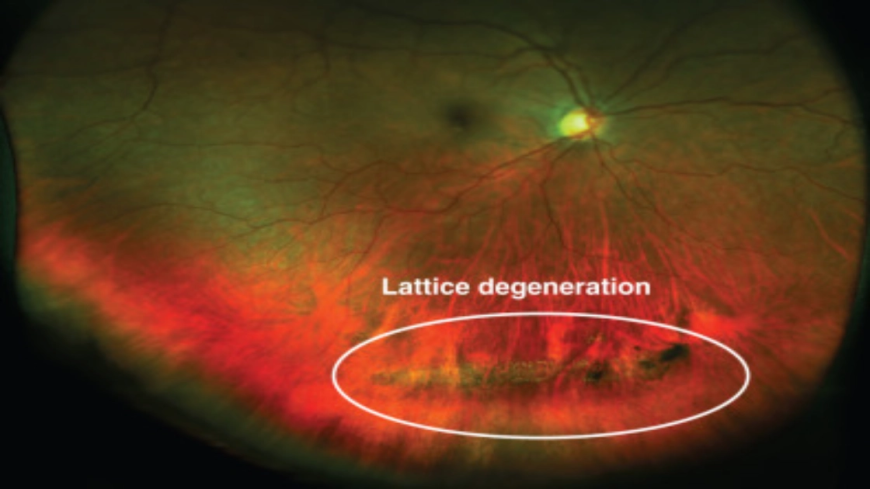
In this condition, certain areas of the retina become thin and weak. These weak areas form a pattern that looks like a lattice or crisscross lines, which is how the condition gets its name.
These weakened areas are more likely to develop small holes or tears. If this happens, it can lead to more serious issues like retinal detachment.
How Common Is This Condition?
Lattice Retinal Degeneration is not extremely rare. It affects around 6% to 10% of the general population. Many people who have this condition may not even know about it because it often does not cause noticeable symptoms in the early stages.
It is more common in people who are nearsighted (myopia). It can also run in families, meaning if someone in your family has it, your chances may be higher.
What Causes Lattice Retinal Degeneration?
The exact cause of this condition is not fully understood, but there are several factors that may increase the risk:
1. Nearsightedness (Myopia)
People with high myopia are more likely to develop this condition because their retina is stretched and thinner than normal.
2. Genetics
If your parents or close family members have had this condition, you may be more likely to develop it as well.
3. Aging
As you get older, natural changes in the eye can make the retina weaker.
4. Eye Structure
Some people are born with a retina that is more prone to thinning.
What Are the Symptoms?
One of the biggest challenges with Lattice Retinal Degeneration is that it often does not show clear symptoms. Many people only find out about it during a routine eye exam.
However, in some cases, people may notice the following signs:
- Floaters (small dark spots or shapes moving in your vision)
- Flashes of light
- Blurred vision
- A shadow or curtain-like effect in the field of vision (this can be serious)
If you notice any of these symptoms suddenly, it is important to see an eye specialist immediately.
Why Monitoring Is So Important
Monitoring this condition is extremely important because it helps prevent serious complications. Even if you do not have symptoms, the condition can still progress.
1. Early Detection of Tears
The weak areas in the retina can develop small tears. Regular check-ups help detect these early before they become serious.
2. Preventing Retinal Detachment
If a retinal tear is not treated, it can lead to retinal detachment. This is a serious condition that can cause permanent vision loss if not treated quickly.
3. Tracking Changes Over Time
Your eye doctor can monitor the condition and see if it is stable or getting worse. This helps in planning the right treatment if needed.
4. Peace of Mind
Regular monitoring helps you stay informed about your eye health and reduces anxiety.
How Is It Diagnosed?
Lattice Retinal Degeneration is usually diagnosed during a comprehensive eye examination.
Eye Dilation Exam
The doctor will use special eye drops to dilate (widen) your pupils. This allows them to see the retina clearly.
Retinal Examination
Using special instruments, the doctor will check for thin areas, holes, or any signs of damage.
Imaging Tests
In some cases, imaging tests may be used to get a detailed view of the retina.
What Are the Treatment Options?
In many cases, no immediate treatment is needed if the condition is stable and there are no tears.
However, if there are signs of risk, treatment may be recommended.
1. Laser Treatment
Laser therapy is used to create small burns around the weak areas. This helps seal the retina and prevent tears from getting worse.
2. Cryotherapy
This method uses freezing to treat the affected area and strengthen the retina.
3. Observation
If there are no serious issues, the doctor may simply recommend regular monitoring.
Who Is at Higher Risk?
Some people need more careful monitoring than others. You may be at higher risk if:
- You have high myopia (nearsightedness)
- You have a family history of retinal problems
- You have had eye injuries
- You have undergone eye surgery
- You have lattice degeneration in both eyes
What Happens If It Is Not Monitored?
Ignoring this condition can lead to serious complications.
Retinal Tears
Small tears can develop in the weak areas of the retina.
Retinal Detachment
This is the most serious risk. The retina pulls away from its normal position, which can cause sudden vision loss.
Permanent Vision Loss
If retinal detachment is not treated quickly, it can lead to permanent damage.
This is why regular monitoring is not just important—it is essential.
How Often Should You Get Your Eyes Checked?
The frequency of eye check-ups depends on your condition and risk level.
- If you have been diagnosed with Lattice Retinal Degeneration, your doctor may recommend yearly or more frequent visits.
- If you are at high risk, you may need more regular monitoring.
- Even if you have no symptoms, routine eye exams are important.
Tips to Protect Your Eye Health
While you cannot completely prevent this condition, you can take steps to protect your eyes.
1. Regular Eye Exams
This is the most important step. Early detection can save your vision.
2. Avoid Eye Injury
Wear protective eyewear during sports or risky activities.
3. Manage Myopia
If you are nearsighted, follow your doctor’s advice and use corrective lenses.
4. Pay Attention to Symptoms
Do not ignore sudden floaters, flashes, or vision changes.
5. Maintain a Healthy Lifestyle
A balanced diet and proper hydration support overall eye health.
When Should You See a Doctor Immediately?
You should seek urgent medical attention if you experience:
- Sudden increase in floaters
- Flashes of light
- Sudden blurred vision
- A dark curtain or shadow in your vision
These symptoms may indicate a retinal tear or detachment, which requires immediate treatment.
Living With Lattice Retinal Degeneration
Being diagnosed with this condition may feel worrying, but many people live normal lives without any major problems.
The key is awareness and regular monitoring. By following your doctor’s advice and attending regular check-ups, you can greatly reduce the risk of complications.
You do not need to panic, but you should stay informed and proactive about your eye health.
Conclusion
Lattice Degeneration Laser Treatment is a condition that affects the retina and can increase the risk of retinal tears or detachment. While it may not always cause symptoms, it should never be ignored.
Regular monitoring is the most important step in managing this condition. It helps detect problems early, prevents complications, and protects your vision in the long run.
If you have been diagnosed or are at risk, consulting an experienced specialist like Dr. Mandeep Lamba can help you receive proper guidance, accurate diagnosis, and the right care plan. Taking timely action and staying consistent with check-ups can make a big difference in maintaining healthy vision for life.